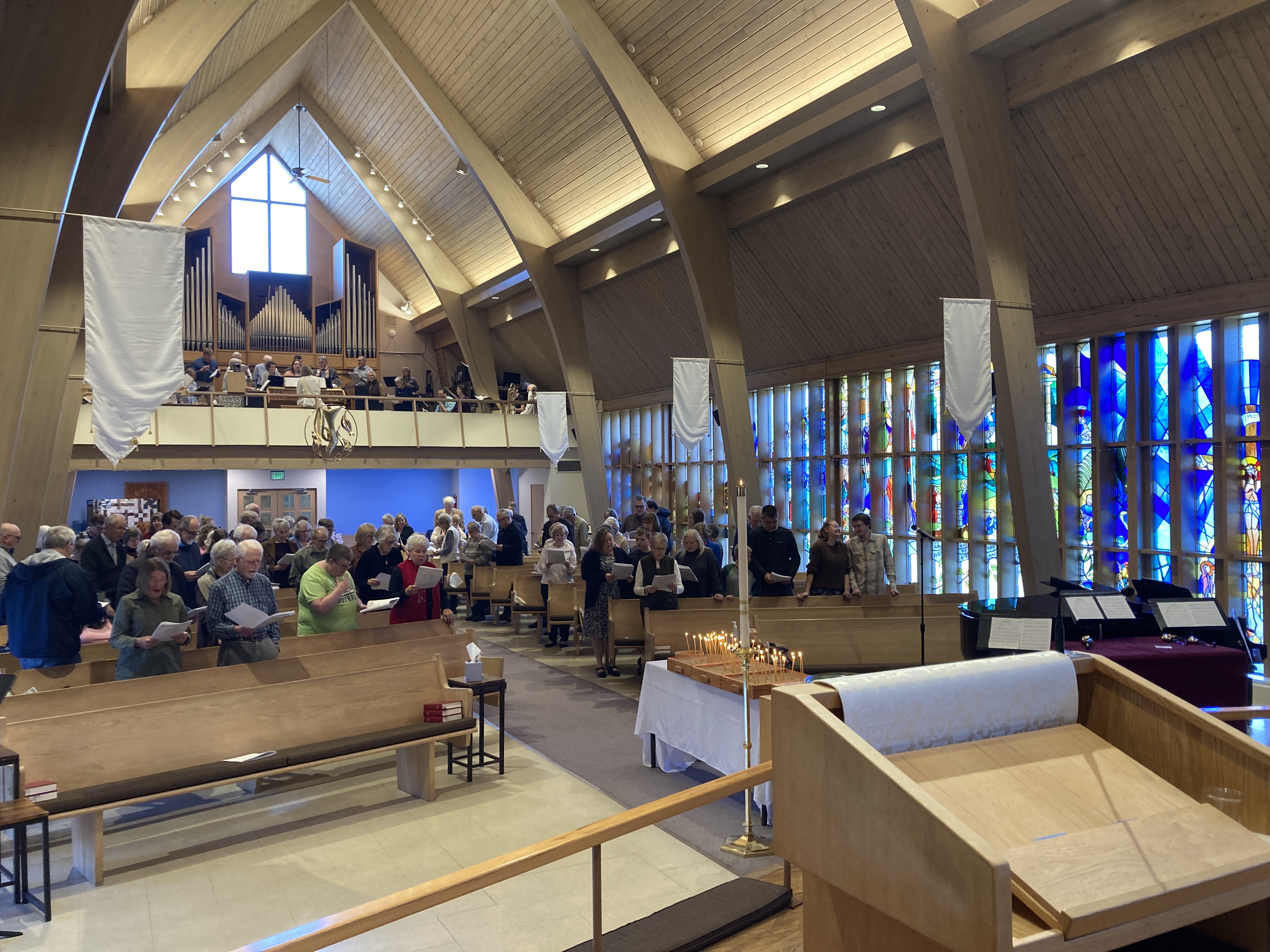
Dec. 20 – Installation at Lord of Life

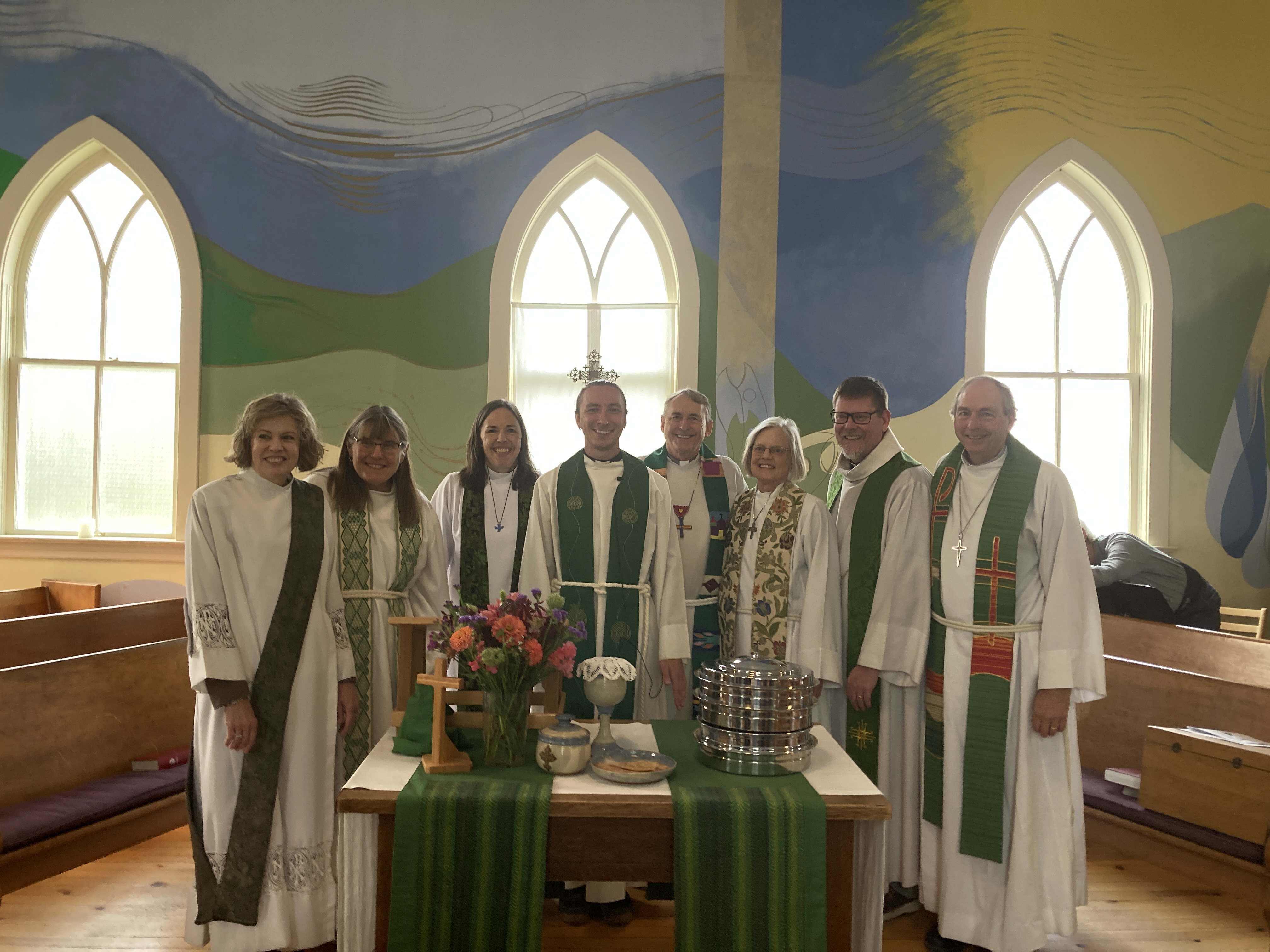
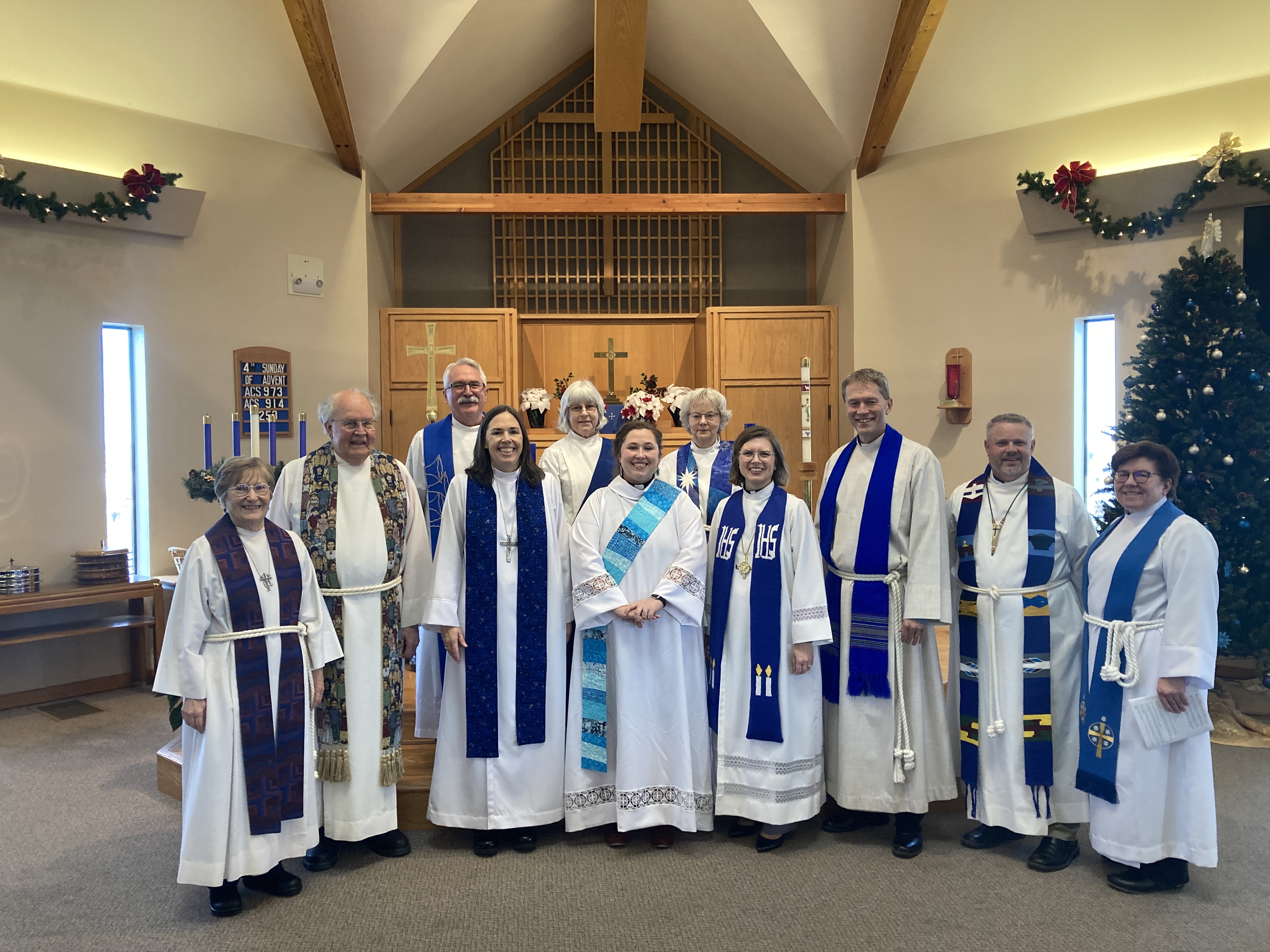
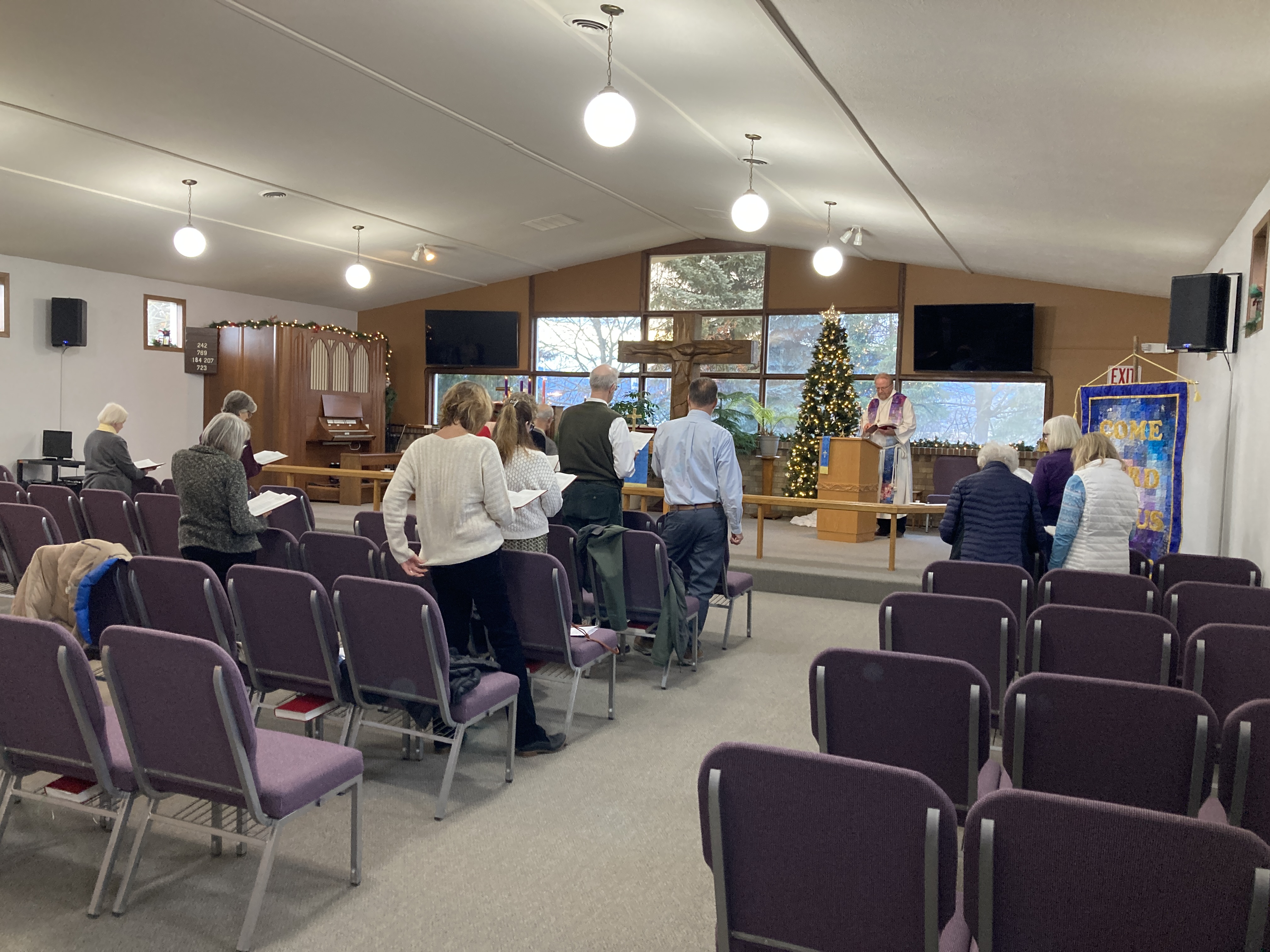
Deacon Karleigh Crepin’s Installation

John 13:12-17

Presiding Bishop Yehiel Curry has said that in this first year of his time as presiding bishop of the ELCA, he will be emphasizing that we are a connected church. That can mean many things, but here’s one thing I know. As much as you all from Lord of Life are celebrating today, many others around the ELCA are celebrating as well. 

Pastors, deacons, and lay people across the Northwest Intermountain Synod have been praying for your call process since it began. Pastor Kirsten serves as one of our deans and the other deans she meets with regularly have been on this journey with her. The ELCA deacon community is connected to you through this call and is celebrating today. Deacon Karleigh’s home synod of St. Paul and her seminary classmates are celebrating. Further on in Jesus’ farewell discourse, which begins with his washing his disciples’ feet, Jesus will speak of himself as the vine and his followers as the branches, connected. Today is a day for us as a synod and congregation to give thanks for and celebrate the many ways we are connected to one another and to the love of God in Christ Jesus.

Many of us gathered for worship this afternoon probably know our gospel story so well that we gloss over how radical Jesus’ actions really are.  Here is a God who comes in human form and kneels at the feet of others. He holds his friends’ dirty, tired, callused feet in the palms of his hands and washes them clean. It’s as far from anything the world would expect in an almighty god. It’s as unexpected as God being laid in a manger, sharing meals with criminals, or being friends with foreigners.  

In 2025 we are invited to imagine what might take the place of such an act today. It is a tough question. We are far enough from first century Palestine and places and times like Regency England that servants or slaves are not so normalized. Certainly, there are people who take what we might see as less-desirable jobs. But that is not an accurate comparison with today’s story. Jesus shares these moments with the people that have been following him, eating with him, and journeying with him. Though the love command is something we carry with us outside our faith community, it is truly about the faith community itself.

Jesus knows his followers so well that his decision to include them all in these acts of holy intimacy is profound. Gathered in that place are those with strong faith in Jesus’ mission, though they do not yet know the costs that will come with following him. Judas is known, washed, and fed in all his fear and duplicity. Peter is known, fed, and loved despite his impending denials. 

All the rest will, in their own ways, flee in fear, leaving Jesus accompanied only by the women in his life and by his fellow condemned. But Jesus does not cancel this intimate evening to distance himself from those who will flee. Instead, he draws them that much closer to his soon-to-be-wounded side.

This is helpful context as we consider what it means to wash another’s feet today. Each of us is different and has different barriers. On the one hand I think that intimacy with others comes easier to some of us than others. And yet this story is a reminder that all disciples are called to this work, to be open to moments of closeness and intimacy and acts of love.

I can only speak for myself that what most often has prevented me from acts of intimacy is the fear that I don’t have enough: enough energy, enough good answers, enough time, or enough compassion. Teachers and mentors wiser than me, plus some experience, have taught me that just showing up is often more than enough. People long to be really and truly seen. We don’t have to have answers or special training to be present in another person’s life.

Throughout the pandemic, I led groups online through different spiritual practices. One of the favorite practices was titled, “Gazing at a beloved or friendly other.” What participants shared with me was how much they appreciate the questions. While imagining in their minds eye a person they have recently encountered, they are asked to ponder what fears the person carries/ what unmet longings do they hold, what ancient wounds haunt them, what gifts or joys light them up and yearn to flourish more fully? 

We all want someone to wonder those things about each of us. And you, gathered today, believe that Jesus, the Good Shepherd, already knows all the answers. But you who hear Jesus’ voice, who follow him, who obey his command to love one another, then are called to be compassionately curious about others, both those in our community of faith and those beyond. What fears the person carries/ what unmet longings do they hold, what ancient wounds haunt them, what gifts or joys light them up and yearn to flourish more fully?

I actually think this is part of your role as a deacon, Karleigh, to invite people from Lord of Life into this intimacy and holy knowing, as an end in itself, but also for the sake of the gospel and the reign of God breaking in here and now. This congregation knows better than most the role of a deacon and Pastor Kirsten gave us some helpful reminders at the beginning of worship. And yet, all of us who wear stoles, pastors and deacons, know that the roles are not what they were 100-50-or even 20 years ago. As the world changes, so do the calls of pastors and deacons.

In a world where the other is dehumanized through language, legislation, andvsocial media posts, who better than the deacon, who stands at the threshold of the church door and the world, to help us remember that each person is made in the image of God, the imago dei? And at the same time, in a world that continues to accelerate, in a time when it is so easy to feel that you are not enough and never will be, who better than a deacon, who kneels at your feet, to proclaim that you also are made in the image of God?

Jesus’ new commandment to love one another can only be lived with the help of the Holy Spirit. The Spirit empowers us to share in Christ’s vision of communities where vulnerability and intimacy are embraced, not for themselves but for real beloved community. God’s own abundant love makes this possible. That same Holy Spirit will be with you Deacon Karleigh, and you Lord of Life Lutheran in Kennewick, WA, as you continue to faithfully follow Jesus in your neighborhood and the world we all share. Thanks be to God.

Posted in NWIM Synod, Sermons | Tagged , , , , | Leave a comment

Dec. 14 – Otis Orchards

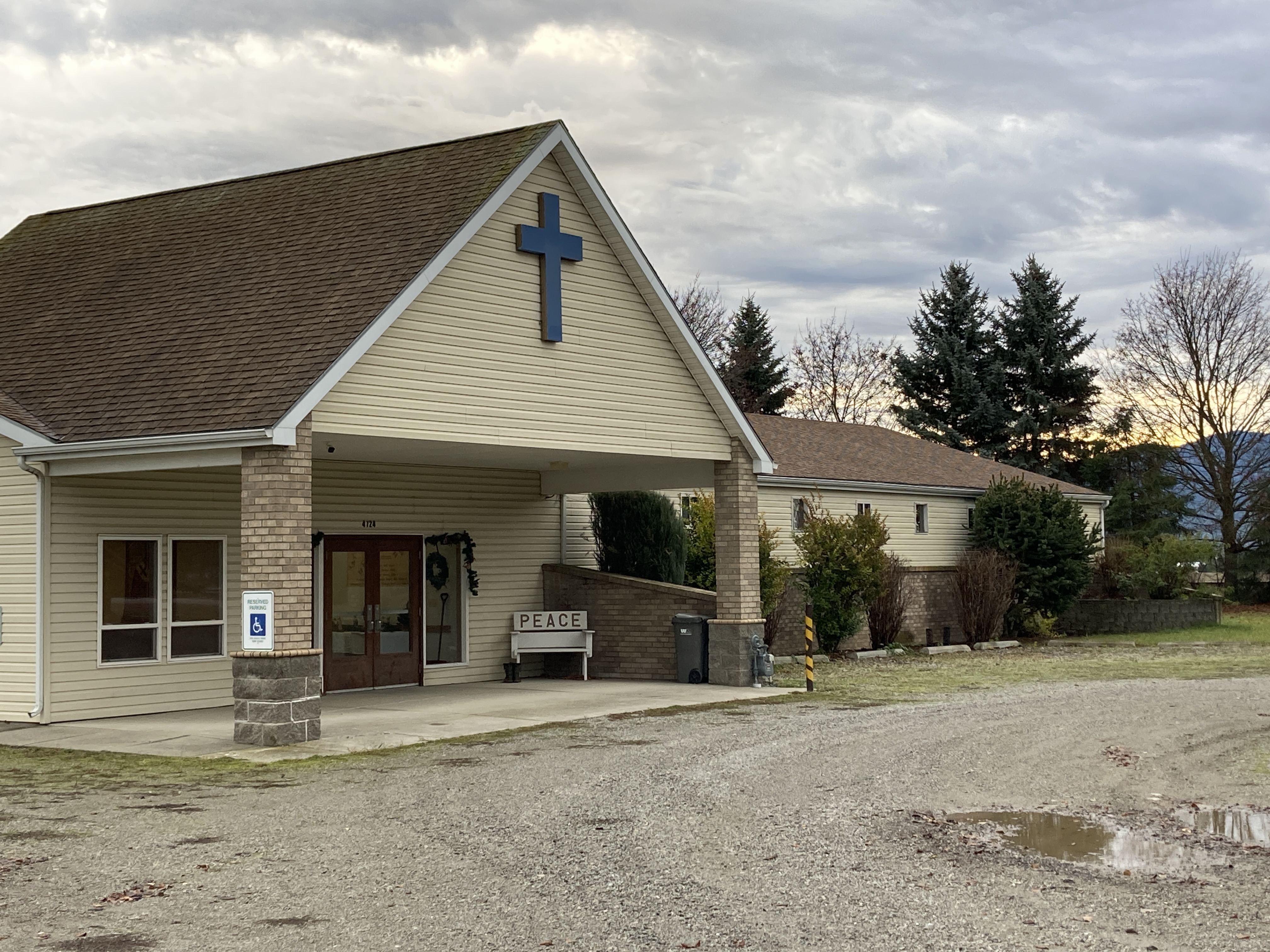
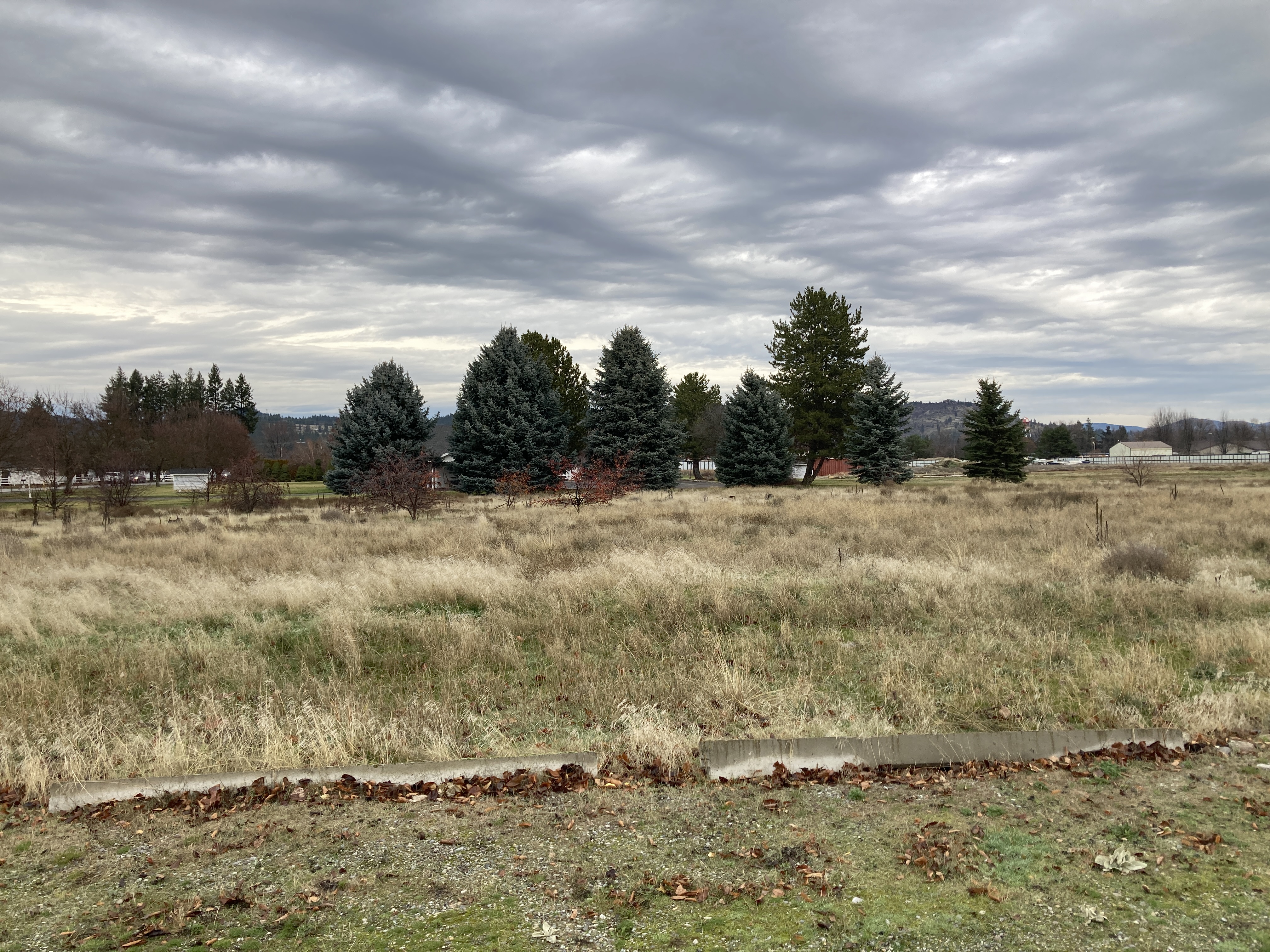
On the Third Sunday in Advent, I joined the saints saints of Peace Lutheran, Otis Orchards north of Liberty Lake, served by Pastor Dave Olson. They just voted to proceed with a prairie restoration project for much of their acreage.

Isaiah 35:1-10

“The wilderness and the dry land shall be glad; the desert shall rejoice and blossom; like the crocus it shall blossom abundantly and rejoice with joy and shouting.” The prophet Isaiah paints a beautiful tapestry with words of the natural world flourishing. It is not very often that I get to visit a congregation that is making a text actually come alive, but that’s what I get to do today. Among other things, I want to say Thank You, Peace Lutheran for your prairie restoration project. Through Pastor Dave’s Facebook posts and emails, I have watched this ministry be planted as a seed, now watered, and with you I wait to watch it flourish completely. 

Church property the congregation hopes to restore to prairie

Of the desert blossoming is only part one of Isaiah’s vision. Further on we hear the verses which I have sung in my head all week. Verse five is so synonymous with the well-known alto recitative in George Frideric Handel’s Messiah that we may not even think about the actual words, “Then shall the eyes of the blind be opened.” The God of our Advent waiting promises transformation. Eyes that have been closed shall be opened to really see! Ears that have never experienced sound shall hear harmonious oratorios! The lame will leap like deer on the heights! The voiceless will sing at the top of their lungs! Handel first offered his Messiah in 1742 in a church in Ireland, a vulnerable island where people had been expended and used again and again by force and slavery and mercenary reprisal. That is where God goes—where the human soul longs for new life.

The poet Isaiah returns then to the natural world where burning sand shall become a pool, and thirsty ground springs of water. In a season in which so much of our synod is saturated and flooding, these may not be welcome words. And yet we in the Mountain West also know too well the reality of drought and high desert. We have stood outside in a spring rain or a late fall snow, grateful for life-giving water. 

And it’s not a hard for us to translate this poetic imagery into the innermost parts of our life. Perhaps it is stubbornness or self-righteousness that has hardened our hearts. Maybe we have turned our back on any one of the relationships in our lives. Our empathy, our compassion, our ability to connect seems to have dried up like desert sands. Then, something changes our perspective, and we remember the abundant mercy and love of God; it feels like springs of living water.

Next, we hear the poet invoke a human structure: “A highway shall be there, and it shall be called the Holy Way; the unclean shall not travel on it, but it shall be for God’s people; no traveler, not even fools, shall go astray.” Because of this highway image the other song ever present for me this week was The Impressions’ 1965 hit, People Get Ready, not about a highway, but certainly about a journey.

This is a train song; this is a gospel song delivering good news. But 1965 was the height of the Civil Rights Movement, when the suppression of Black voters spurred the march from Selma to Montgomery and police assaulted peaceful marchers. To be confined in segregated schools, jobs, or neighborhoods is to lack freedom of movement. To be incarcerated, terrorized or dispossessed—and thus all too often to be Black in America—is to lack the mobility others take for granted. 

African American music has repeatedly linked liberation to images of mobility: highways, marching, biblical exodus, space travel and trains. This is some of what Curtis Mayfield captures in his song. (Brad Erickson)

People get ready, there’s a train a-comin’
You don’t need no baggage, you just get on board
All you need is faith to hear the diesels hummin’
Don’t need no ticket, you just thank the Lord


Music critic Stanley Crouch explains Mayfield’s response to those events: “…by saying ‘There’s a train a-coming, get ready’ that was like saying, okay, so regardless of what happens, get yourself together for this because you are going to get a chance. Your chance is coming.” The train that is coming in the song speaks to a chance for redemption — the long-sought chance to rise above racism, to stand apart from despair and any desire for retaliation — an end to the cycle of pain.

Mayfield, who was living in Chicago at the time of the march, had grown up in the black church singing gospel. He said the song was a subconscious product of “the preachings of my grandmothers and most ministers when they reflect from the Bible.”


“It is a song of faith really, a faith that transcends any racial barrier and welcomes everyone onto the train. The train that takes everyone to the promised land, really.”  Since its debut in 1965, “People Get Ready” has become a classic for many musicians. Bruce Springsteen has quoted from “People Get Ready” as part of his concert performances in the aftermath of the Sept. 11 attacks.

Curtis Mayfield died in 1999. “People Get Ready,” the song inspired by the March on Washington, lives on. Its idealism and optimism make it the ultimate crossover — crossing not only racial barriers but generations.  

At the center of the song’s redemption and at the center of our text from Isaiah and its restoration of creation and humanity is God. “Here is your God,” announces the prophet, God coming with power to overcome the wickedness, disease, and disorder that stand in the way of God’s breathtaking new age. Salvation, this passage shows us, is not something that relates only to individual souls. Salvation is a transformation of humanity and creation that enables all to sing together in present and eternal joy.

The scripture tells us that God is the one with power to transform creation and humanity-and, look, here God comes! This is not an abstract or even eternal truth. It is a present announcement: God is showing up. 

And where does this happen? The text is clear: it happens as people are given eyes to see and ears to hear. God is in our midst, and amazing things are possible. People of God have known this in every generation. And also in every generation, people have wondered how to see it more clearly and believe it more firmly, given the desert realities in which we live. 

People in Jesus’ day were no different, and so the disciples of John the Baptist were sent to ask Jesus whether he was the one “who is to come” (Matthew 11:3). They were asking nothing less than whether or not they could announce what Isaiah had claimed: “Here is your God.” In response, Jesus pointed to this text: Watch what’s happening. Things are being transformed. The sick are healed and creation obeys my voice. God is at work here, and wonderful things are happening.

Can we believe this, that God has shown up in Jesus and stands today in our midst? It can be really hard to believe sometimes. The gift of this role is traveling around to different ministry sites, meeting individuals, sharing Holy Communion almost everywhere I go. God is absolutely showing up. My prayer today and always is that everyone in our synod be given eyes to see and ears to hear, and that our eyes and ears be opened to discover what God is doing in God’s Son Jesus and in the world around us. 

At the same time, I give thanks that Peace Lutheran and so many other ministries are signs of the reign of God to those who are watching and waiting for God. It’s why we call our ministry sites Wellsprings of God’s Love. The world is transformed when you pass through, as it was when the Israelite pilgrims made their barren world a place of springs as they journeyed to Jerusalem. In Jesus Christ, God is in your midst, in the center of our lives and our world-just as God stands in the center of our text-and God means to do surprising things there.

Posted in NWIM Synod, Sermons | Tagged , , , , | Leave a comment

Dec. 7 with Riverview Retirement Community

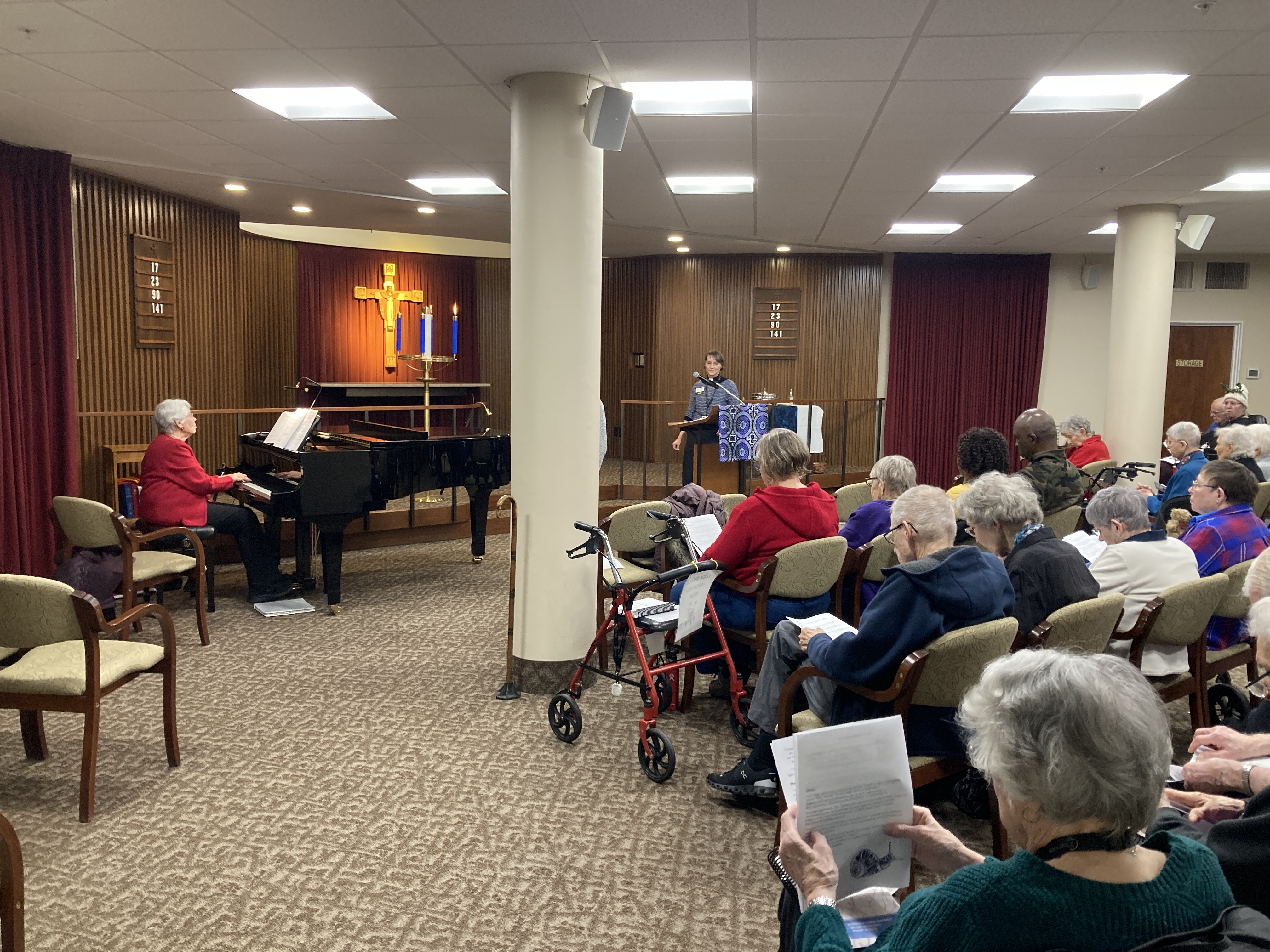
Sunday evening I had the honor of preaching and helping distribute Holy Communion at Riverview Retirement Community in Spokane. Rev. Yvette Schock serves as the chaplain for this community started years ago by Spokane Lutherans.

Matthew 3:1-12

I want to admit upfront that preaching on John the Baptist’s own message of repentance to members of a retirement community is a bit daunting to me, and I do quite a bit of guest preaching. If repentance is about a having a new perspective, what can I possible say to those of you who have likely been adopting new perspectives for decades. My own 85-year-old mother just moved into a 55 and older co-operative and we have had many conversations about how her perspective has been altered and then altered again over the years of her life.

Of course, at the heart of today’s scripture passage is the perspective to change all perspectives. It’s not a simple jump from two-dimensional to four-dimensional. It’s the old view to something radically new. The absolute power and authority that God exercises in heaven are now close to being exercised on earth. The second and third petitions of the Lord’s Prayer are about to be granted: May your kingdom come. May your will be done on earth as it is in heaven. Repentance is both possible and imperative. 

I also want to name here that repentance itself can be a tricky thing to talk about. For some of you, it might dredge up feelings of guilt and unworthiness. It may even evoke a deathly fear of a day of judgment when God will separate good people from bad people. Didn’t we do away with repentance during Advent in the early 2000s when we tried to differentiate it from that other penitent season of Lent?

On this Second Sunday in Advent, John the Baptist reminds us that repentance is not primarily about our standards of moral worthiness. To repent is to take a clear-minded look at the ways in which one’s life colludes with the assumptions and behaviors of the old age, to turn away from such complicity, and to turn towards God and the attitudes and actions of the realm of heaven. Repentance is about God’s desire to realign us to accord with Christ’s life. Repentance is not about our guilt feelings.  It’s about God’s power to transform us into Christ’s image—an image of love, abundant life, enough for all, flourishing for all creation.  

The truth is, it is God who gets to determine the character of repentance. John the Baptist was not offering a better way to live, although a better way to live was entailed by the kingdom that he proclaimed was near. But it is the proclamation of “the kingdom of heaven,” or the reign of God, that creates the urgency of John’s ministry. 

Such a reign does not come through out trying to be better people. Instead, the reign comes. Period. It’s coming makes imperative our repentance—our new lenses—new perspective. John’s call for the people to repent is not a prophetic call for those who repent to change the world. Rather, he calls for repentance because the world is being and will be changed by the one whom Johns knows is to come. To live differently, then, means that the status quo can be challenged because now a people are the difference. In so many ways, this Sunday is not about anticipating the birth of Jesus, but anticipating Jesus coming again in the fullness of time.

Preparing for this evening, I could not help but thinking about the most recent novel I read: Barbara Kingsolver’s Pulitzer Prize winning 2022 work Demon Copperhead. Yes, Kingsolver’s novel is inspired by Dicken’s David Copperfield, but instead of being set in old-England, her novel is set in present-day Appalachia. Damon Fields is born to a single teenage mother in a trailer home in Lee County, in the Appalachian Mountains of Virginia. He is nicknamed “Demon Copperhead” for his red hair, which he inherited from his father, who died in a drowning accident. Demon’s life and the novel touch on child poverty, rural America, and drug addiction, specifically the opioid crisis. 

What makes this novel relevant to Advent and our gospel text is that though Demon is resilient and shows grit, what transforms him and his perspective on the world are the moments when other people show him love, we might even call them moments of holy grace. Demon’s life is one tragedy after another. But also making appearances are people like Coach Winfield, the coach of the Lee High football team who takes Demon into his home and eventually coaches him. Winfield’s daughter Angus becomes Demon’s steady friend. There is also Art teacher Annie nurtures Demon’s artistic abilities. And always there is June, his childhood friend’s aunt, always a protective and steady presence especially when he hits rock bottom. It’s the cumulative impact of each of these people helping Demon see his community and himself differently that eventually makes possible his own healing, or salvation. As people of faith, we would say they proclaim to him, “The kingdom of heaven has come near.” Jesus’ reign of love and life abundance is for you. And each time someone encounters Demon with that love and reign, his life bears fruit.

The potential problem with using a story like Kingsolver’s to draw a comparison is that we can think the Gospel is only for those who have really hard lives. I’ve experienced hardships, but nothing like Demon’s. And yet, I still hunger for Jesus’ vision of the reign of God coming soon. I still yearn for hope. My idols aren’t drugs or money but I put my trust in plenty that is not God—political parties, movements, my own skills. I long for God’s transforming power to intercede. I am grateful when I catch glimpses of God’s reign breaking in. 

Here are some examples. A few weeks ago, I was at a congregation in a different part of our synod talking to some people who were going to join the church, from a different tradition, this week. One after the other, the three of them said something like, “we never knew we could feel such peace in worship.” I think of our synod ministry Cultivating Justice out in the Wenatchee area, a community of contemplation and action gathering around the ongoing work of true welcome and inclusion rooted in the teachings of Jesus. They have been harassed for standing with the marginalized in their community, but they do not back down. And I think of the recent visit of our two guests from the Ulanga Kilombero Diocese of Tanzania. For 30 years we have been sending people back and forth between that diocese and our synod—building real relationships, celebrating our differences and our unity in Jesus Christ.

We are called to prepare, even as God is already preparing us, usually when we are unaware. This happens in radical trust that Jesus Christ himself is working to purify us and the world around us. Christ is equipping us to become a dwelling place fit for himself. When we remember God’s promises, we nurture this trust and God grows us into faithful servants.

At our baptism we are joined with Christ to bring God’s will into the world.  Baptism does not so much welcome the baptized into an institution (as we might think of the church) but into an alternative (or countercultural) community empowered by the Holy Spirit for life and witness. Isaiah’s prophecy from today is read at baptisms. “Pour your Holy Spirit: the spirit of wisdom and understanding, the spirit of counsel and might, the spirit of knowledge and the fear of the Lord.” 

The Holy Spirit is poured in, and we are washed into a baptismal life in Christ–life in a wilderness with deprivations and hard lessons, but also everlasting joy in the kingdom. We are promised forgiveness and eternal life, and we are called to imagine a new community now, in this life.  

Newly prepared to meet God-With-Us this season, we can pray with the Apostle Paul that “the God of hope fill you with all joy and peace in believing, so that you may abound in hope by the power of the Holy Spirit.”  We will be changed, transformed, renewed by the gift of grace.  Anne Lammot wrote, “I do not understand the mystery of grace—only that it meets us where we are and does not leave us where it found us.”  My prayer for you this Advent that God’s grace will not leave you where it found you.

Posted in NWIM Synod, Sermons | Tagged , , , , | Leave a comment

Ecumenical Leaders Retreat

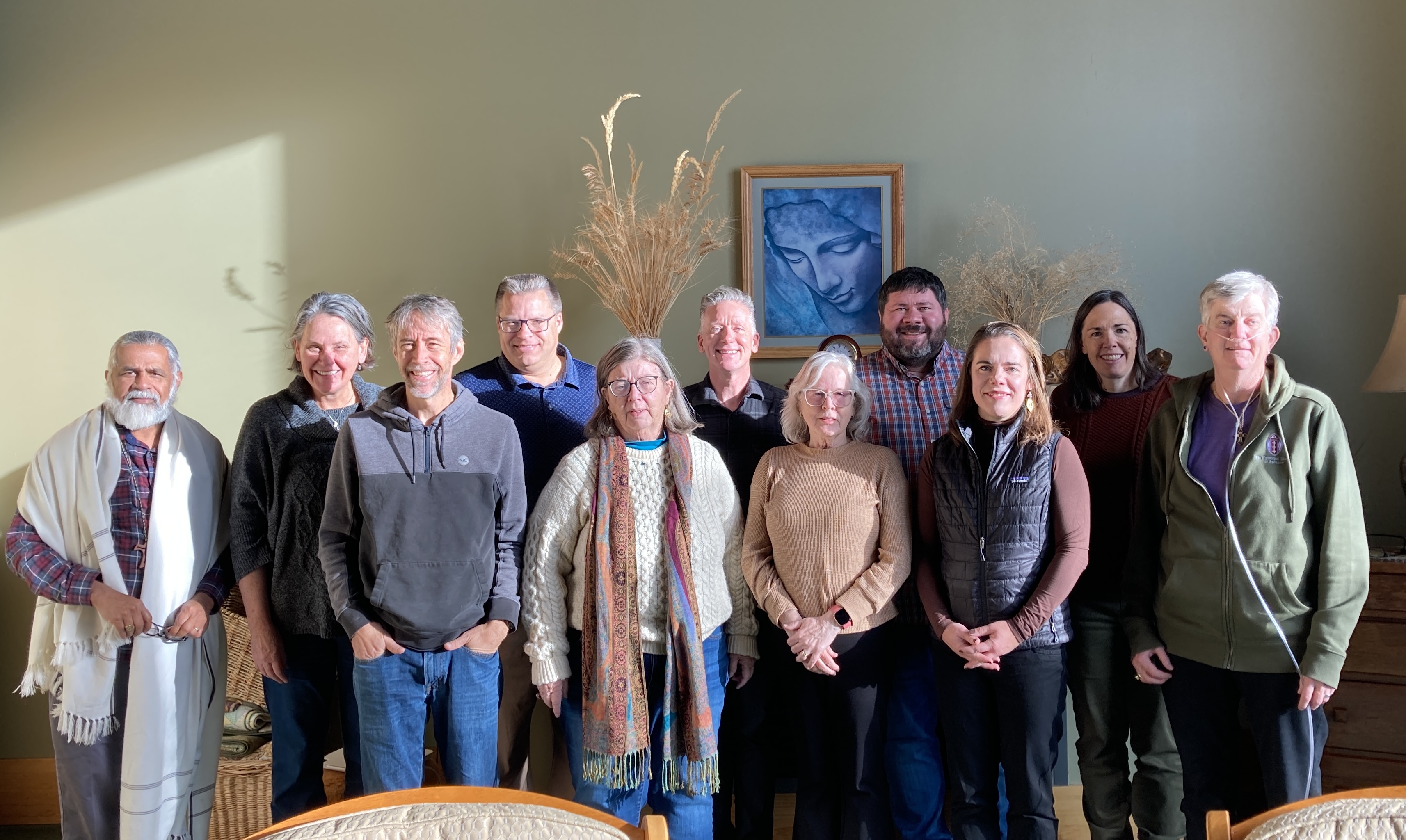
Two Episcopal bishops, one UCC Conference Minister, one Exec Presbyter, one Stated Clerk, three United Methodist current/future conference staff, and three NWIM Synod: ELCA staff were together last Monday through Wednesday. We spent three days together at St Gertrude’s Monastery. Thanks to Wartburg Theological Seminary‘s The CaSTLE Project Grant for funding our rural ecumenical experiments, including this retreat. We taught one another about our worship, preaching, and polity/governance. As we wrote in our grant proposal, we are deeply committed to partnering so we can better share Jesus and Jesus’ love.

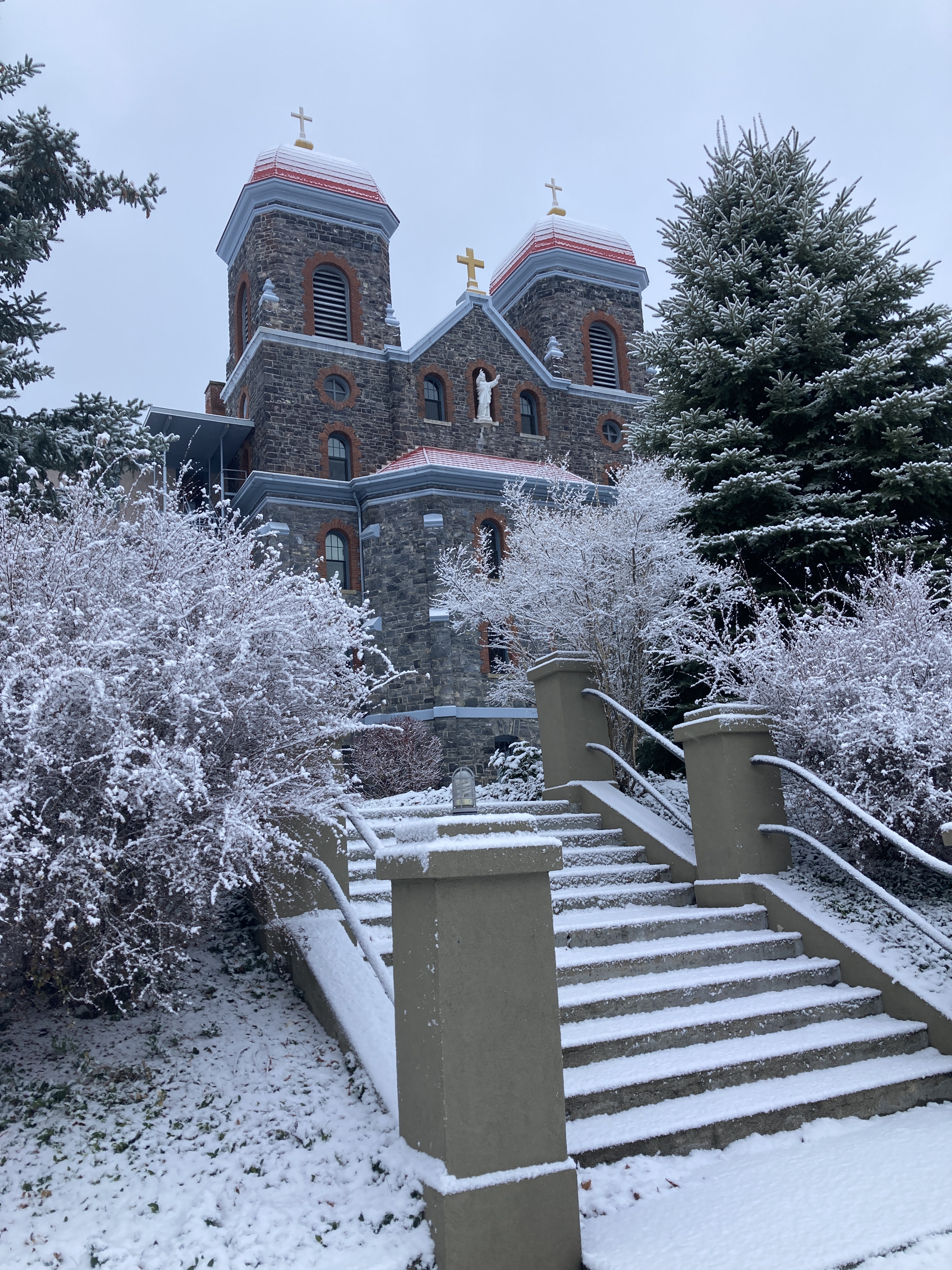
It was also delightful to pray Morning and Evening Prayer with the Sisters of St. Gertrude’s and to see the monastery and Camas Prairie blanketed in snow!

Posted in NWIM Synod | Leave a comment

United at the Font – Pocatello

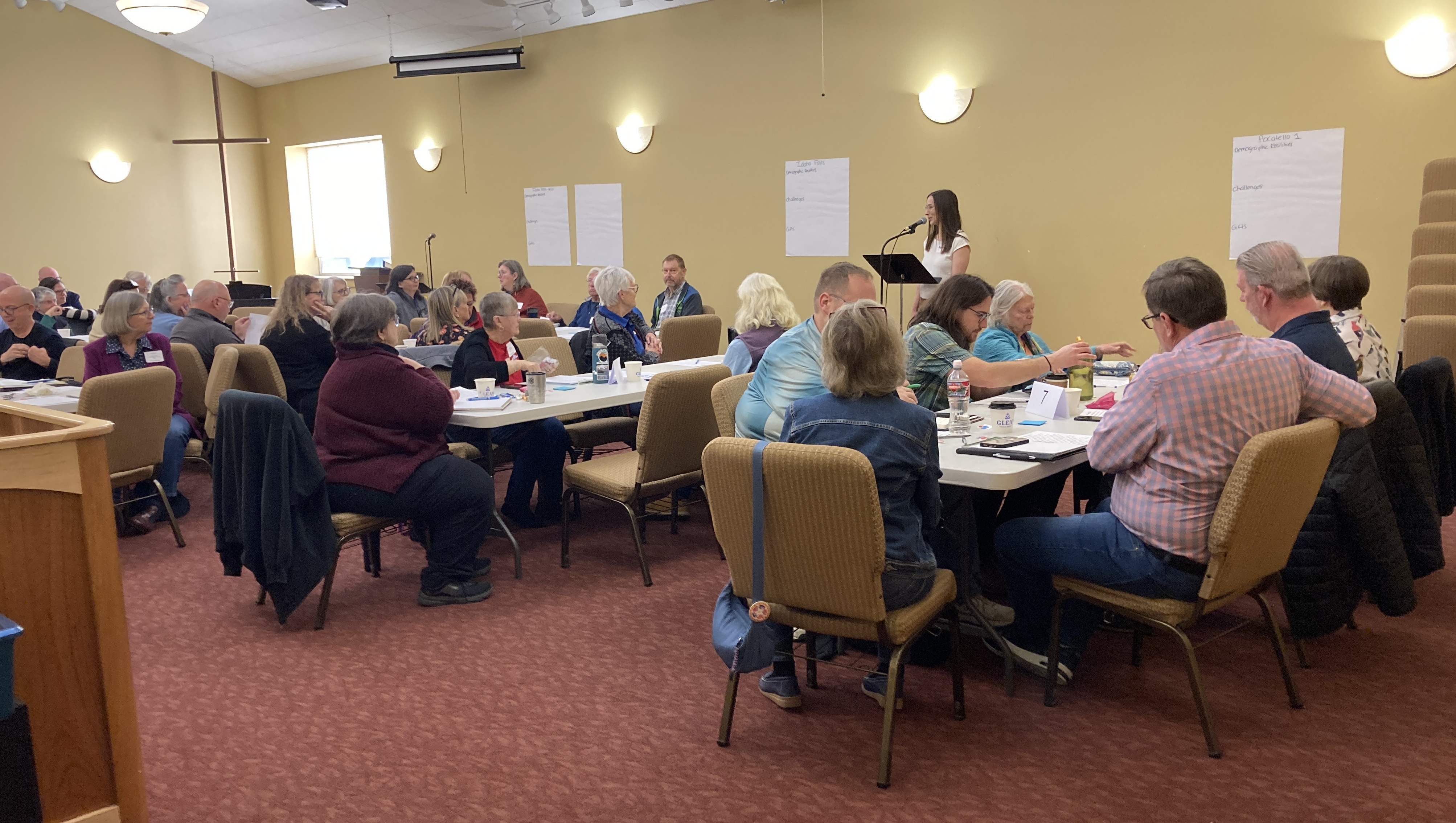
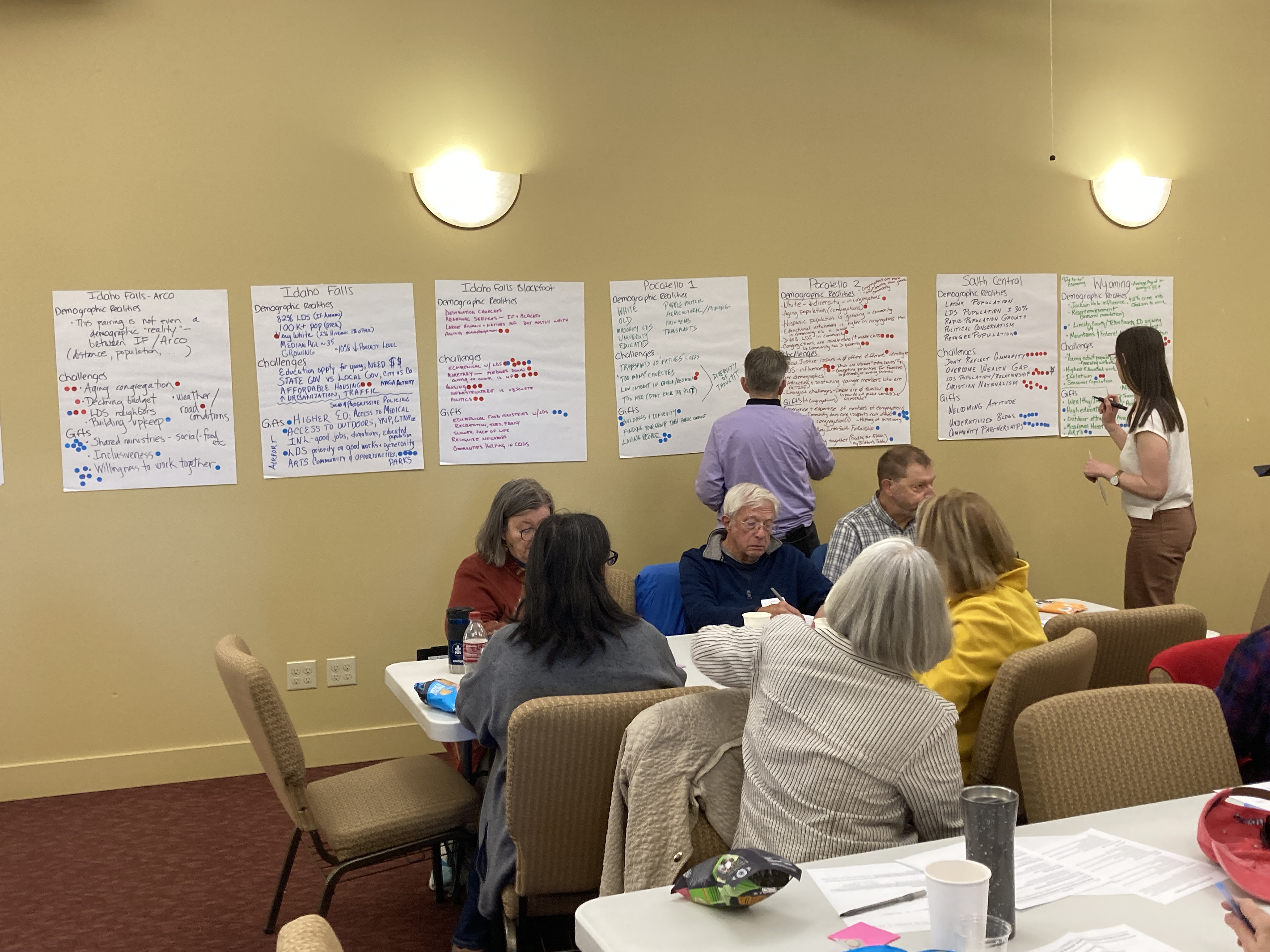
Last Saturday, Nov. 15, I joined the third and final United at the Font: Partnering for the Future event at First UMC in Pocatello. We held previous United at the Font events in Moses Lake (Oct. 25) and Clarkston (Nov. 1). In Pocatello, 42 people from four denominations from Twin Falls to Star Valley gathered to build relationships, pray, dream, learn, and plan. Thanks to Wartburg Seminary’s The CaSTLE Project grant for making this possible.

Our goals were to foster relationships across denominations, deepen understanding of context, and discern next steps together. We began with Dwelling in the Word, using the body of Christ metaphor from Romans 12. We spent time talking about and listening to others explain what’s meaningful in our denominations’ practices. We mapped our contextual realities. In the afternoon we spent some time telling faith stories. We then returned to our mapping to discern themes and start thinking about deeper collaborations. We ended in the sanctuary with Affirmation of Baptism.

Posted in NWIM Synod, Reflections | Leave a comment

Sermon for OMC Great Gathering

Outdoor Ministries Connection Great Gathering

Nov. 10, 2025 at Lake Junaluska Conference Center

Ezekiel 47:5-12

47 Then he brought me back to the entrance of the temple; there water was flowing from below the entryway of the temple toward the east (for the temple faced east), and the water was flowing down from below the south side of the temple, south of the altar. Then he brought me out by way of the north gate and led me around on the outside to the outer gate that faces toward the east,[a] and the water was trickling out on the south side.

Going on eastward with a cord in his hand, the man measured one thousand cubits and then led me through the water, and it was ankle-deep. Again he measured one thousand and led me through the water, and it was knee-deep. Again he measured one thousand and led me through the water, and it was up to the waist. Again he measured one thousand, and it was a river that I could not cross, for the water had risen; it was deep enough to swim in, a river that could not be crossed. He said to me, “Mortal, have you seen this?”

Then he led me back along the bank of the river. As I came back, I saw on the bank of the river a great many trees on the one side and on the other. He said to me, “This water flows toward the eastern region and goes down into the Arabah, and when it enters the sea, the sea of stagnant waters, the water will become fresh.Wherever the river goes,[b] every living creature that swarms will live, and there will be very many fish once these waters reach there. It will become fresh, and everything will live where the river goes. 10 People will stand fishing beside the sea[c] from En-gedi to En-eglaim; it will be a place for the spreading of nets; its fish will be of a great many kinds, like the fish of the Great Sea. 11 But its swamps and marshes will not become fresh; they are to be left for salt. 12 On the banks, on both sides of the river, there will grow all kinds of trees for food. Their leaves will not wither nor their fruit fail, but they will bear fresh fruit every month, because the water for them flows from the sanctuary. Their fruit will be for food and their leaves for healing.”

Water is complex, especially when I am addressing outdoor ministries professionals. I will be leaning into the life-giving parts of water but know that there are chaplains here. Please take care of yourselves and one another.

The river Ezekiel describes flows from the temple, starting as a trickle, but it in my imagination, it is a merger of the rivers and waterways that have shaped my life. It is the creeks of my childhood in the Black Hills flowing into the Cheyenne River and then into the Missouri. It is the waterways of Wisconsin, Minnesota, and Ontario, especially the St. Croix River and the Boundary Waters and Quetico. There is nothing quite so wonderful as paddling a wooden canoe on one of those northern rivers. Birchbark canoes give you a different access to the river, its shore, and the loons, heron, moose, beaver, and fish.

Ezekiel’s vision makes me recall the Red River of my college years in Moorhead, nourishing trees with fall foliage so different from the Ponderosa pines that I grew up with. Finally, I recall the frigid mountain river I was introduced to while working at camp Christikon in Southern Montana, the kind of river, as Norman Maclean wrote, which “runs over rocks from the basement of time.” I did not spend a lot of time in the Boulder River, but campers and I followed it home and relied on its waters, boiled or treated with iodine, for nourishment. 

In many ways, the Boulder is like so many of the rivers I now drive by as a bishop in Idaho, Eastern Washington, and the Western edge of Wyoming. Preparing this sermon, I realized that so much of my first half of life was spent near waters that eventually flow into the Mississippi. Now all the rivers of my life are part of the Snake and Columbia watersheds, which pour into the Pacific. 

Proximity as an adult to the Nez Perce, Shoshone, Northern Paiute, Kootenai, and Couer d’Alene tribes of today’s Idaho has taught me that Salmon will also be plentiful in any vision of the future God intends. In a world created and healed by God, flourishing will include an abundance of beautiful and diverse salmon running upriver to spawn and I imagine that most of the current dams have been removed.

Ezekiel knew rivers himself: the Gihon Spring that feeds a stream flowing into the Kidron Valley. Beyond Jerusalem there was the Jordan river. And in Babylon he perhaps lived along the Chebar (Kebar) River, an ancient canal. How did these rivers sustain a prophet struggling to respond to the catastrophe of the destruction of Jerusalem and the Temple, a prophet called by God to condemn idolatry and faithlessness through parables, images, and direct scolding? There are 39 chapters of scolding and lament in the book that carries the prophet’s name.

One example some of us might be familiar with is his oracle against the leaders of Israel, “Woe, you shepherds of Israel who have been feeding yourselves! Should not shepherds feed the sheep? You eat the fat; you clothe yourselves with the wool; you slaughter the fatted calves, but you do not feed the sheep. You have not strengthened the weak; you have not healed the sick; you have not bound up the injured; you have not brought back the strays; you have not sought the lost, but with force and harshness you have ruled them.” Neoliberalism, anyone?

Or consider Ezekiel’s diatribe against Tyre: “I will hurl many nations against you, as the sea hurls its waves. They shall destroy the walls of Tyre and break down its towers. I will scrape its soil from it and make it a bare rock. It shall become, in the midst of the sea, a place for spreading nets.” (26:5)

Contrast the bare rock and a place for spreading nets to the Dead Sea transformed into a fisherman’s paradise in the vision we heard this evening. Fish of every variety would flourish in its waters. Trees would bear fruit that could be harvested every month, and its leaves had medicinal properties. The entire barren area would undergo a miraculous transformation. 

Ezekiel’s vision encompasses every aspect of life, including economics and what we would call ecology. People are restored to their own productive land and reconciled with God. It should be noted that this vision is fantastic, not attainable through merely human effort, and yet it shows also the most basic practical concern for human welfare. This is expressed in one small detail in the picture of the Dead Sea region: “It’s swamps and its marshes shall not be healed; they will be given over to salt [production]”. 

Genuine prophetic vision must answer to real material need. Here we have received a vision of the Great Economy of the world created and healed by God, who alone guarantees long-term human flourishing.

It’s impossible for me not to connect Ezekiel’s vision with the glimpse of God’s reign that all of you collectively give to people week in and week out (and lots of weekends too). Every single camp (secular or religious) has the chance to give people a vision of humans living together with equity, gaining a sense of belonging, unplugged from all of the electronics and algorithms. For a few days or multiple weeks, people get to give up virtual reality for the natural world. 

But you church camp professionals, gathered in this space, get to do something more, you get to talk and sing and live out the radical love of the triune God at camp! Jesus, who tells us that he came to fulfill the law and the prophets, speaks his own vision of the reign of God through his blessings and woes, his parables, his prayers, and his daily ministry. Here is my one plea for the evening: I don’t think anyone here is considering this, but do not concede Jesus and do not concede the gospel. The life-giving gospel we know is needed now more than ever.

As with the anonymous messenger who is Ezekiel’s guide, you collectively are a guide for a vision of an alternative way of being, a way where life is abundant. Relationships are built around the campfire, on a rainy hike, splashing in the lake, when campers just won’t fall asleep because they are suddenly free to ask the big questions about God and scripture and faith. Go deep in the waters with your campers’ and staff members’ questions about faith, and hear a grateful church say “Thank you! Thank you! For your ministry of equipping embodied and lived faith!” 

Plenty of people think camp is an escape from the real world, a bubble. My dad, whose career was in outdoor ministry, thought differently. He died in 2020 and today would be his 99thbirthday. In his book The Common Book of Camping, he wrote “We have seen a glimpse of the of the kingdom. We have seen a bit of life as it should be. Working together, we create places where people can come, learn, and go out into the world to make it as it should be.”   

When you have experienced Jesus’ love, acceptance, courage, curiosity, and real community, how can you not want to share it and replicate it? Sometimes, as a parish pastor in Iowa and Idaho, when I was making an argument for investing in camperships, I would quip “How can we expect people to help bring in the reign of God if they have never had a glimpse.”

Now I shepherd 80 congregations across a vast territory, and they also can give people a glimpse of the reign of God. In fact, we say that everything we do as a synod is so that ministry sites can be wellsprings of God’s love. And yet, outdoor ministries, because of your proximity to God’s natural creation, give a glimpse of God’s reign and economy even closer to Ezekiel’s fantastic vision of the trickle of water becoming the great river of life.

We hear rich symbolic language of water healing and bringing life and fertility to the wounded earth. Ezekiel’s vision recalls the great water source that fertilized Eden, flowing out in four branches around the inhabited world. I like to imagine that Ezekiel also thought of Hagar’s well, Moses getting water from the rock, and Namaan healed in the River Jordan.

It was inevitable that early Christian writers would associate this great life-giving river with the water of baptism. I do too, perhaps because I find myself leaning on the promises made in holy baptism more than ever right now. I can’t say what each of you brought to this space personally or professionally—overwhelm of a new job, a new diagnosis, broken relationships, fresh grief of a loved one who died, struggles with staff, boards, constituents as you navigate your future. 

But I know that we are all living through a time of deep polarization, violent extremism, the wealth gap growing ever wider, the dehumanization of immigrants and trans neighbors, and an allegiance to a theocracy which looks nothing like the gospel you and I profess. 

Holy Baptism carries the renunciations of evil, the marks of discipleship named so clearly, and the promises made by God and the assembly. These are all gifts for the baptized. Through water and the word, you were trusted by God and entrusted with God’s own love and mercy. You were sealed by the Holy Spirit, the same Spirit that is with you still. It is that same Spirit that frees you today to see God in the face of the other: stranger, friend, neighbor, and in your own face.

In the Mountain West, because all the mainline denominations are religious minorities, we swim in deep ecumenical waters, just to continue our metaphor. This has led me to revisit The World Council of Churches historic 1982 document Baptism, Eucharist and Ministry, the foundation for all our full-communion agreements and so much of our ecumenical work. It states, “God bestows upon all baptized persons the anointing and the promise of the Holy Spirit, marks them with a seal and implants in their hearts the first instalment of their inheritance as [children] of God.”

John of Patmos incorporated water into his own vision of the transformed world which lay beyond the suffering and evil of the present age. Toward the end of Revelation, we read: “Then the angel[a] showed me the river of the water of life, bright as crystal, flowing from the throne of God and of the Lamb through the middle of the street of the city. On either side of the river is the tree of life[b] with its twelve kinds of fruit, producing its fruit each month, and the leaves of the tree are for the healing of the nations.” 

This is a week for learning and relationship building and growing skill sets. Our theme is to Reimagine a Way in the Wilderness. Loons, beavers, salmon—maybe your river includes crayfish and is lined with cypress trees. 

You can reimagine because you have been united with Christ and sealed by the Holy Spirit. You have all you need and you worship the God who is the source of living water. 

Verses later, John of Patmos says to you and me and all who follow Jesus Christ, “the Spirit and the bride say, ‘Come.’ And let everyone who hears say, ‘Come.’ And let everyone who is thirsty come. Let anyone who wishes, take the water of life as a gift.” That gift is for you, always and forever. Amen.

Posted in Sermons | Tagged , , , , | Leave a comment

Weekend with the Mennonites

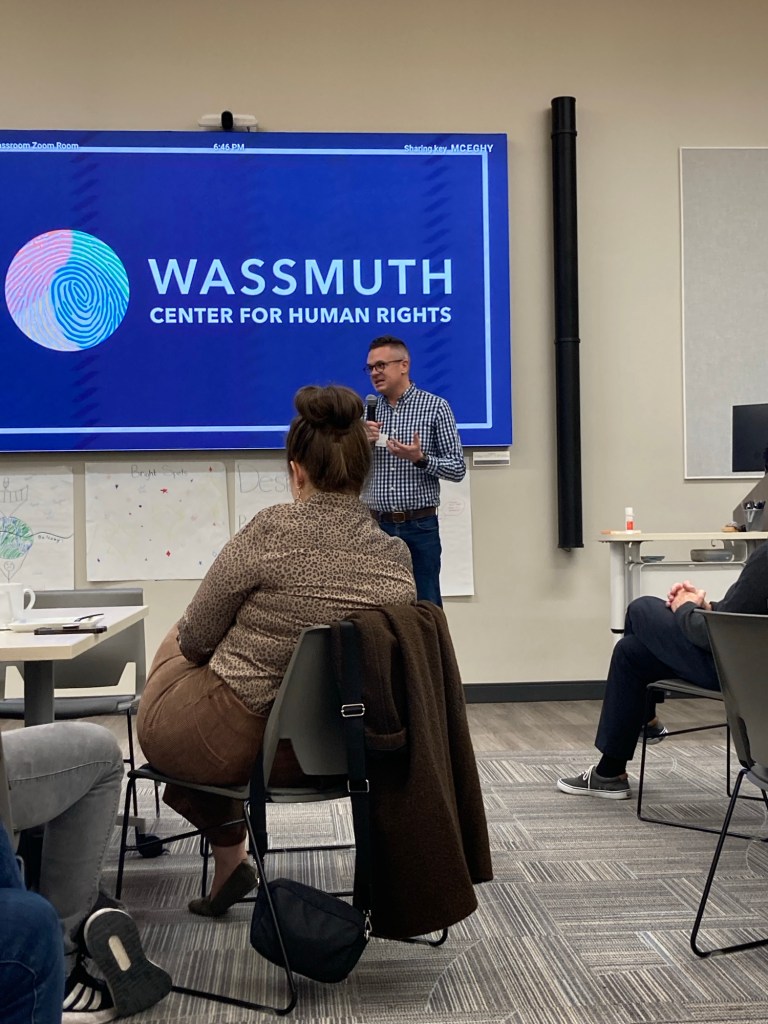
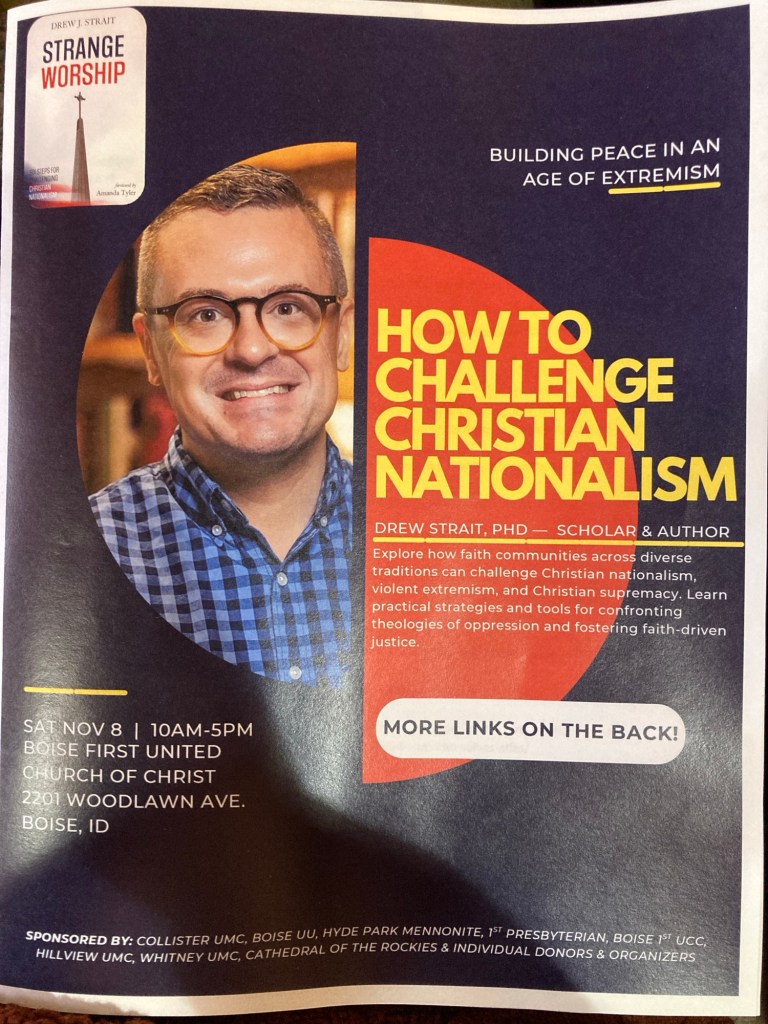
Friday evening at the Wassmuth Center for Human Rights: clergy dinner with professor and author Drew Straight.

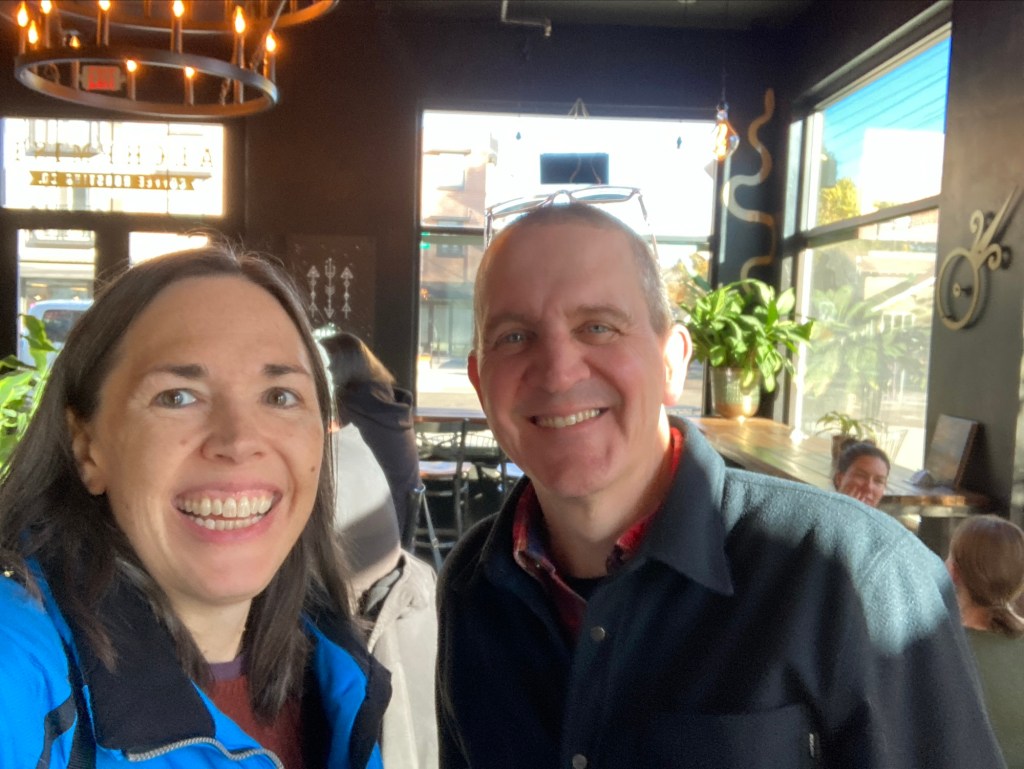
When Mennonite author and scholar Drew Strait comes to town, it makes sense to have breakfast with Pacific Northwest Mennonite Executive Conference Minister Eric Massanari, who before yesterday I had only spoken with online. Eric has been joining our southern Idaho ecumenical judicatory leader zoom calls for about six months Grateful for the conversation!

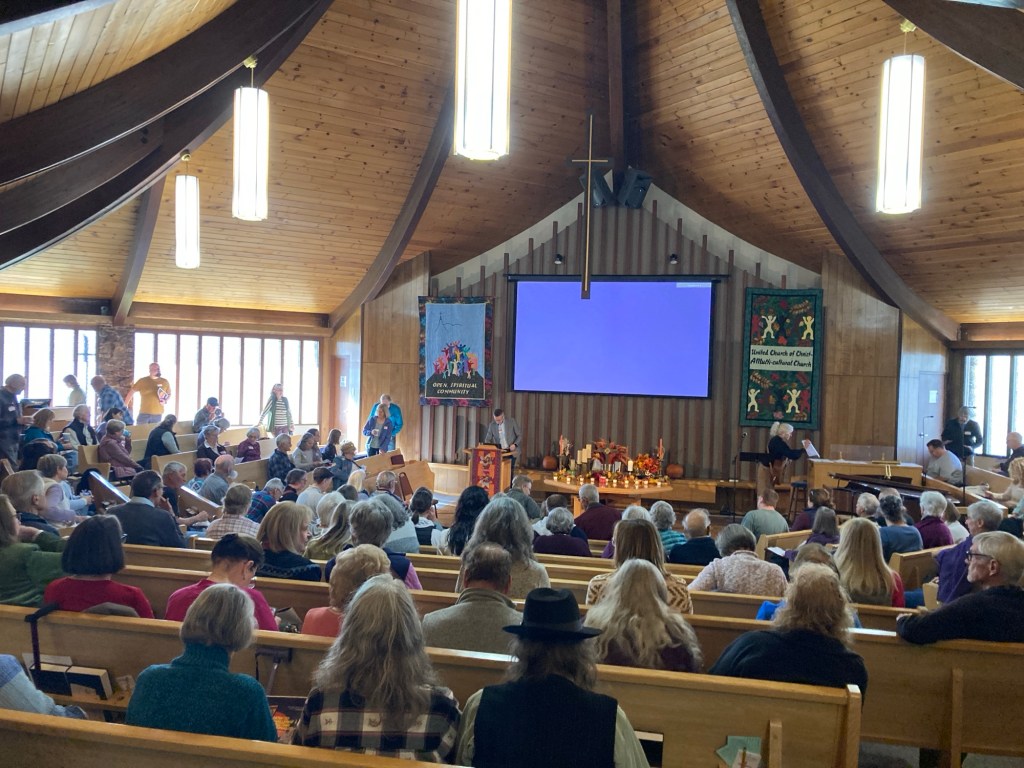
How to Challenge Christian Nationalism with Drew Strait in Boise. Saturday there was a full sanctuary at Boise First UCC.

Posted in NWIM Synod | Leave a comment

First Call Theological Ed 2026

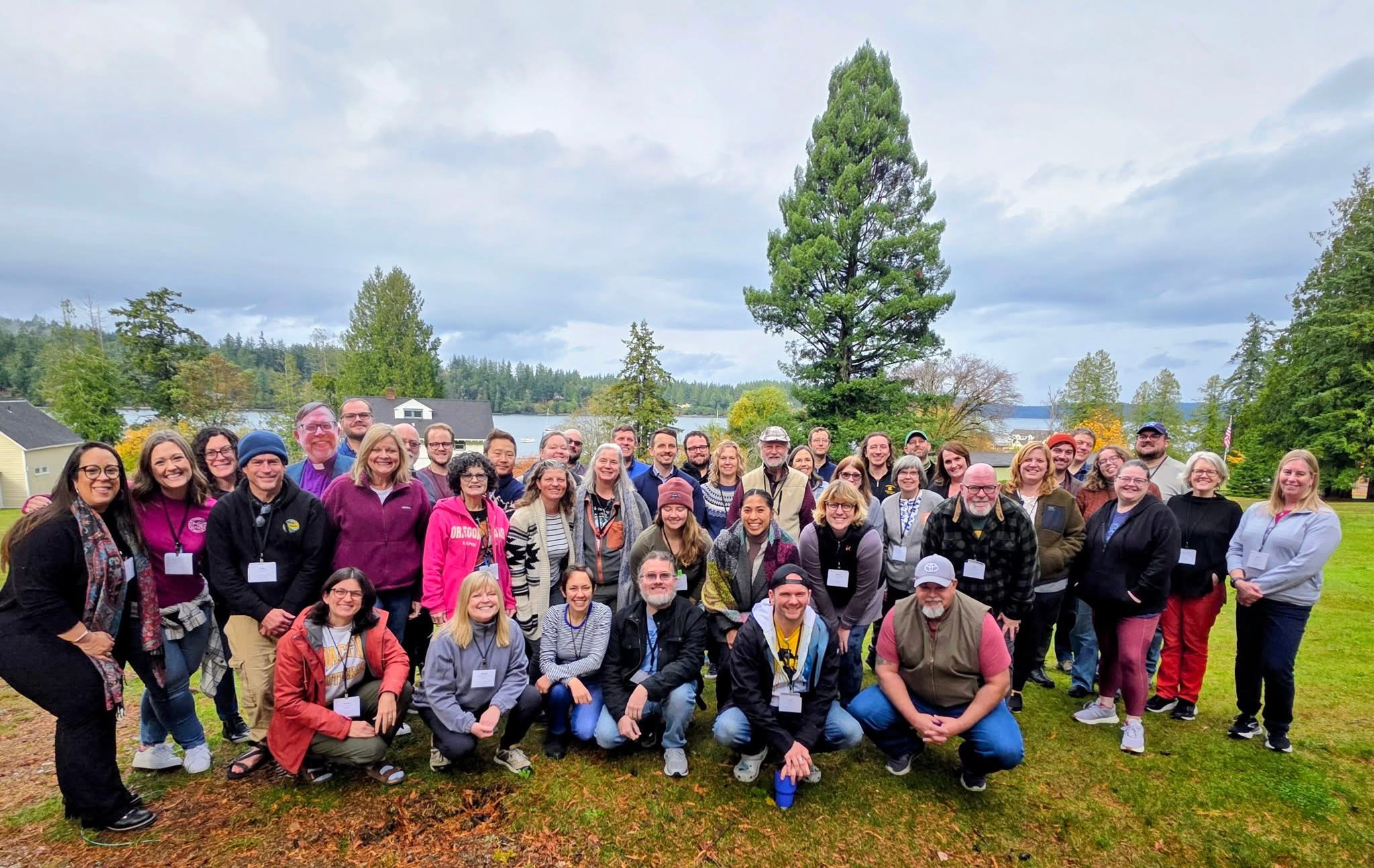
First Call Theological Education at Seabeck with all of Region 1. Thanks to our amazing presenter, former Metro DC Synod Bishop Leila Ortiz. (FCTE is an ELCA requirement for pastors and deacons in their first three years of ministry)

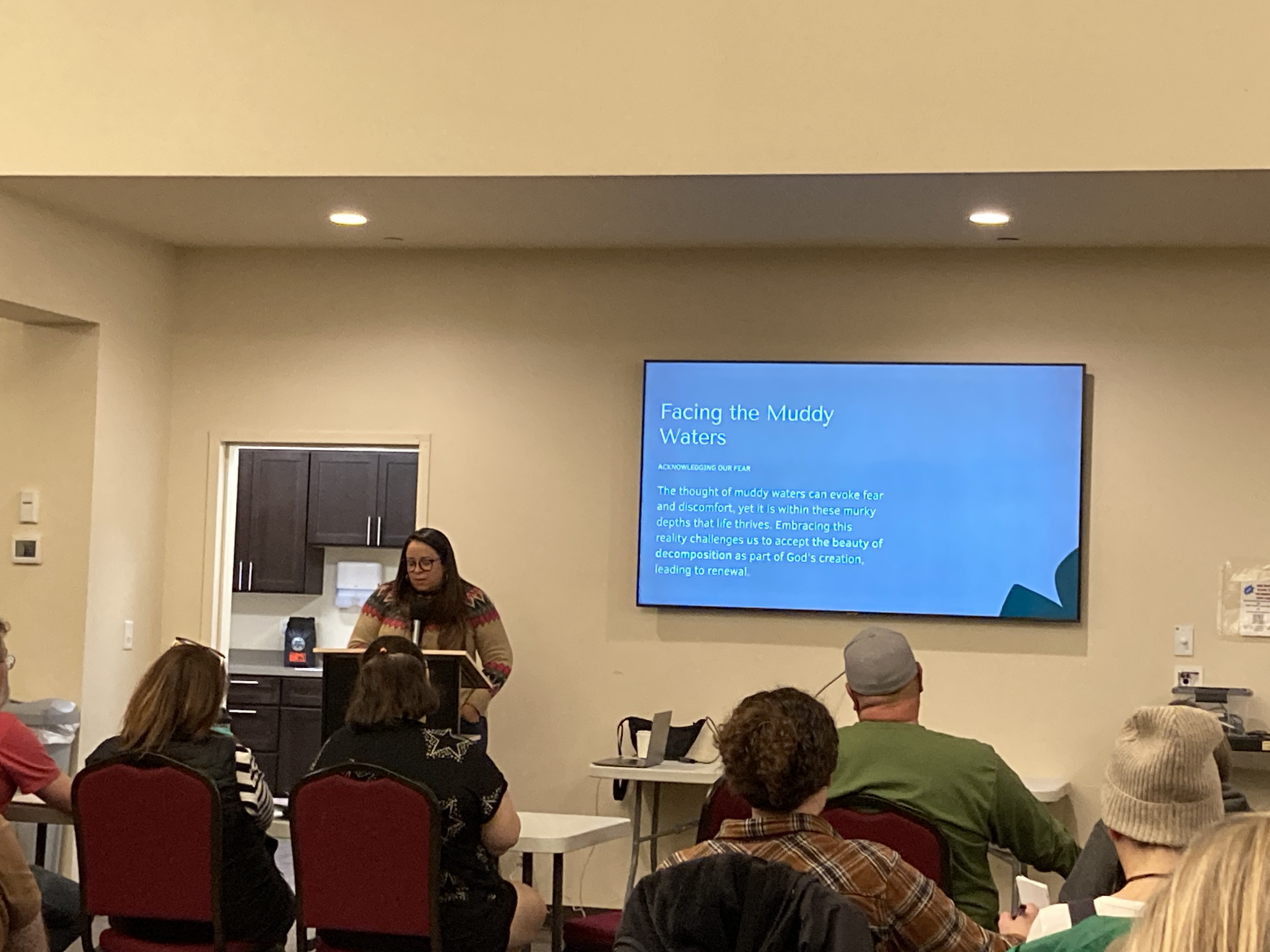
Pastor Ortiz
NWIM Synod Leaders

Posted in NWIM Synod | Leave a comment

Grace, Wenatchee – All Saints

Grace, Wenatchee – Nov. 2, 2025

Luke 6:20-31, Ephesians 1:11-23

Pastor James’ 25th Anniversary of Ordination

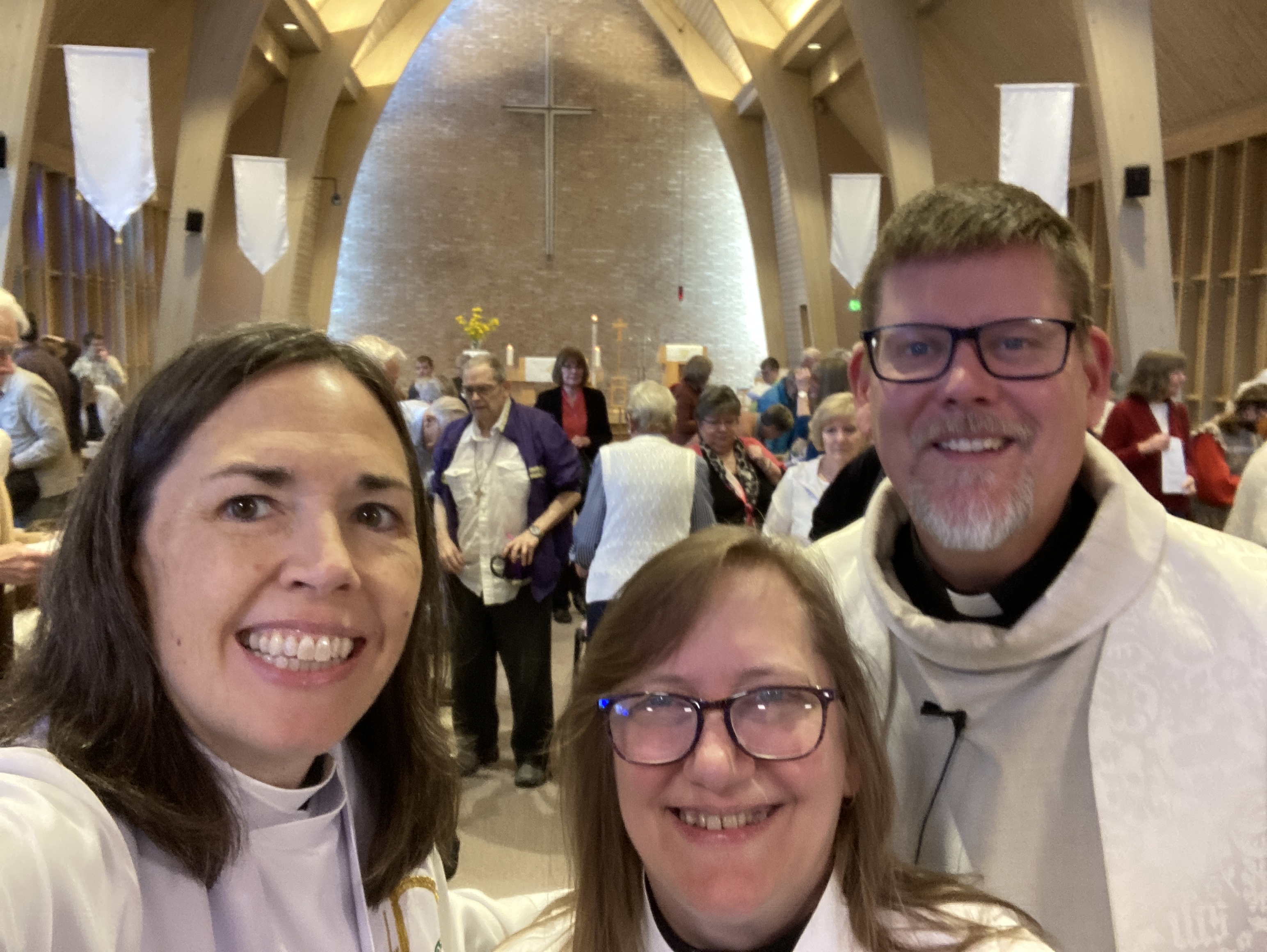
With Intern Laura and Pastor James

I want to begin with today’s beautiful passage from Ephesians, particularly the verses often titled as the author’s prayer. “I have heard of your faith in the Lord Jesus and your love toward all the saints, and for this reason I do not cease to give thanks for you as I remember you in my prayers.” The sentence always makes me think of the saints in my own life and to give thanks for their lives and what they have given me. 

I have remembered with deep gratitude week people like Jane Olsen, who was my fifth-grade teacher as well as a beloved member of the congregation I grew up in. Mrs. Olsen was that upper elementary teacher who was born to work with children and made so many of us life-long learners. But because she sat in the pews with us at church, because she knelt at the same Communion rail, we knew that her life was shaped by being a follower of Jesus. 

I am convinced Mrs. Olsen taught me that an inquisitive mind and a love of learning were part of what it meant to be a disciple of Jesus. She never said this in words that I remember. But her very life displayed that a love for learning, far from being antithetical to the gospel, was totally consistent with the gospel and following Jesus.  So, I give thanks for those gifts from this saint.

I also thought about Don and Dorothy Delicate, a couple in my congregation that my parents and everyone else’s parents deeply respected and admired. If my parents looked up to them, then they were people I was also meant to give respect to and learn from. They were loving, salt of the earth people, who epitomized the word generosity. They were generous with their time and skills and love and resources. 

When I was in high school, they welcomed a college student from Uganda into their home. Simon became part of their family and part of the church family. Dorothy traveled with him back to Uganda twice. Don and Dorothy Delicate modeled the boundary crossing that Jesus himself modeled and taught. And they showed the whole community what it means to truly accompany someone. Simon was in their lives not just for a few weeks, not just for a good phot, but for the rest of their lives, messy as I am sure it sometimes was, and they learned as much from Simon as he learned from them. Don and Dorothy modeled love and real relationships throughout the entire community.

Today we celebrate Pastor James’ 25th anniversary of ordination. Anniversaries are a time to give thanks for the person or people, but also for the every day saints who have nurtured those we are celebrating. I have a hunch you have been a bit introspective this week—giving thanks for so many people who were part of your call to public ministry and the mentors along the way (pastors, deacons, and your parishioners) who have mentored you.

For all of you gathered here today, who are the saints in your lives and what inheritance have you received from them? Take a moment and bring to mind one or two saints from your own lives. Pause.

To remember the people who were saints in our lives is a gift. This is part of why funerals are one of the things I treasure doing as a pastor. Yes, we should of course honor and thank people while they are alive and not wait for their deaths. It’s a both/and. Thank people in life but also pause and give thanks to God after their death. 

A Christian funeral is a holy pause. It makes us slow down and recognize the life that was lived and God’s working through that person’s life. We might even be encouraged to face our own mortality—perhaps uncomfortable but a good exercise. 

To give thanks to God for the life that was lived, even if imperfect, to reflect on the gifts that life bestowed, to entrust the person to God’s keeping, to remember that this person remains part of the communion of saints, that is such a helpful practice for the living. We who are left behind need to pause and remember. We also need the ritual to help us begin moving through our grief. We need the holy pause to ponder, in the words of Lin-Manuel Miranda, “who lives, who dies, who tells our stories.” 

A saint is one who we look to for how to live, how to bring in God’s reign. A saint is also one who is blessed by God. Jesus’ teaching in our gospel lesson underscores the peculiar, even radical understanding of blessing that animates the Christian tradition. According to Jesus, blessing is not about material abundance. Blessing is to enjoy the regard and favor of God. And the God of Israel to whom Jesus bears witness reserves special regard for the poor, the maligned, the downtrodden. This God shows particular favor to those in need. 

While this may at first seem threatening to those of us who enjoy so much of the world’s bounty, it also clarifies our calling to identify and help those in need. And it promises that God stands also with us in our moments of loss, distress, and poverty. The heart of the God we hear described in these verses is full of mercy and compassion, abounding in steadfast love.

In today’s gospel, Jesus identifies the blessed in stunning particularity.  Jesus’ words stand at the beginning of his “Sermon on the Plain.” This is Jesus’ second major policy statement of his reign. His direct speech compels the listener to ask, “Who me?” Jesus focuses first on his disciples within a great crowd. With the crowds, we overhear his words, wondering if he means it only for the twelve disciples. 

Then we find ourselves specifically included in verse 27 among “you that listen.” Jesus is not delivering an abstract definition of discipleship or sainthood. He is not listing the qualifications to “get into heaven.” He is calling all who hear to become faithful and effective agents of God’s reign here and now.

The problem is not that Jesus’ words are hard to understand. The problem is that their clear meaning is so challenging. The “rules of engagement” of Jesus’ reign stand in sharp contrast to the presumed rights of the prosperous to wealth and good times, “because I earned it!” In their practice of non-violence, Tolstoy, Gandhi, and Martin Luther King Jr. enacted Jesus’ words as a social critique and strategy for change. Gandhi admired Jesus, but when asked his opinion of Christianity, he reportedly said, “Oh, it would be wonderful!” In hearing Jesus’ words, rich and poor alike glimpse a realm at odds with the way things are.

What do we make of the “woe” statements? One scholar [Skinner] says a better translation might be, “Yikes! … Jesus urges his hearers to reassess their lives in light of God’s unfolding reign. It seems to me that Jesus’ woe statements are revealing something—that the things we assume are advantages are actually illusory. What if money, comfort, self-won security, respectability, and the like are things that kill our souls—not just in some far-off afterlife but right here, right now? What a tragedy to mistake them for benefits given by God, then. As the passage continues, we get a better sense of how to keep our souls alive and not be tricked by counterfeit blessings.”

All Saints Day is a witness to God’s way of blessing the world. It is not simply reinforcing the entitlement of the privileged to the way things are. It reveals God’s justice fulfilled in mercy—right here and now. The Saints we recognize as the church and those we remembered today in our mind’s eye likely blessed the world with their very lives. We say, “thanks be to God.”

I love our hymn of the day by Ray Makeever. The first verse came to him in a dream after his own dearly departed wife died. He celebrates the saints and provides the crucial reminder that resurrection is real and certain, a promise affirmed by the bodily resurrection of Christ, “We walk in light of countless faces bright as beams of rising sun, certain as the morning chases night in endless ages run. Turning eyes to their shining mem’ry, to their faithful past, saints be now the truth divining: death be now but never last.”

In the third voice he offers thanks and praise, “When joy returns with laughter singing thanks to God for life’s sweet song, let us follow after bringing thanks to God for those now gone.” We cannot replace the saints who have gone before us. But we can remember those lives who blessed others, some who blessed our own lives. Thanks be to God.

Posted in NWIM Synod, Sermons | Tagged , , , , | Leave a comment

Loop around Washington in October

After a week in Minneapolis Sept. 30-Oct 7 (ELCA Church Council, Installation of Presiding Bishop Curry, and Conference of Bishops) I had a day at home to wash some clothes and repack.

I set out to Seattle on a Thursday for my final Pacific Lutheran University board meeting Thursday and Friday. Afterwards, I reflected, “Honored to have served on the PLU Board of Regents for two years. It was a joy to serve on the task group (led by Scott Barnum) that led to the sunsetting of the corporation and the start of the Board of Regents Committee on Congregational Relations. I also served on the Admissions and Student Relations Committee, chaired by Jaynee Groseth and then Sheila Radford-Hill. Today, I got to have lunch with former Luther Heights camper and counselor Logan Denen, finishing his MSW and starring in the Instagram show Boyish Charm (teaching viewers how to make good meals with food pantry ingredients). Grateful to board president Pastor Mark Griffith for his leadership. My heart is full of gratitude. Now I hand off this board role and lean into ELCA Church Council Region 1 liason bishop.” I was surprised at how sad I was to leave this group of people. I am proud of PLU and hopeful for its future.

With Logan.

Bp Shelley Bryan Wee, also serving on the board and the colleague who’d kindly picked me up from the airport, and I continued our journey south to Olympia, WA for the installation of Southwestern WA Bishop Keith Marshall. We started Friday evening with a dinner with Keith, his family, and much of the synod staff. The installation was held at Gloria Dei Lutheran in Olympia with ELCA Presiding Bishop Yehiel Curry preaching and presiding, Bp Curry’s first installation of another bishop. The bishops all went to dinner on the water that evening. Then Bishop Tim Oslovich and his wife Sinje took me back to SeaTac Airport. They headed to Anchorage for Tim’s first installation of a pastor while serving as Alaska bishop and I flew to the Tri-Cities.

Sunday morning I drove over and presided at Immanuel Lutheran in Grandview, WA, served by Pastor Jake Schumacher. They have moved into a partnership with the PCUSA church in Sunnyside (Pastor Jake serves both churches) and this year they are an internship site for Luther Seminary student Lori Tharp. I was warmly welcomed and grateful to hear the gospel proclaimed.

Bishop’s Fall Convocation with Rev. Dr. Anthony Bateza, St. Olaf College, was Monday through Wednesday. We started with a beautiful worship service with Dr. Bateza preaching at First Lutheran, Pasco and then moved to a hotel on the Columbia River over in Richland. This is one of my favorite weeks of the year–just learning and spending time with the pastors and deacons in our synod and this year was no exception.

Opening Worship at First Lutheran, Pasco

The synod’s cluster deans stayed an extra night and we met at Lord of Life, Kennewick, with the synod’s Eco-faith Action Network meeting down the hall. After hearing updates from the various clusters, we spend a lot of time laying the groundwork for our 2026 in-person Synod Assembly at First Lutheran in Kennewick.

Deans and Staff

DEM Pastor Liv Larson Andrews drove us to Leavenworth for dinner and then we went on to the Grunewald Guild. Friday was a day to catch up on email, walk, and rest and do some laundry and then participants and leaders for our Preach, Pray, Preside, and Polity retreat started arriving. Liv put together a great group of teachers and the lay people showed up ready to learn. The Grunewald Guild was a great setting with amazing food!

Pastor Paul Hoffman leads a session on preaching

I preached and presided on Sunday with Grace Lutheran and St James Episcopal in Cashmere, WA. Pastor Rob Gohl serves both congregations but was at diocesan convention. The two congregations worship together every Sunday, alternating buildings.

After Liv finished up at the Guild, she picked me up in Cashmere and we headed to Spokane, home for her, and one night more for me. On Monday afternoon we had a gathering for retired pastors and deacons and spouses at Riverview Retirement Community in Spokane. It was a simple time of catching up with one another and hearing some updates from me about the synod and the larger ELCA. I flew back to Boise Monday evening. On Sunday and Monday, I started getting texts about an ICE raid in Wilder, Idaho.

Posted in NWIM Synod | Tagged , , | Leave a comment