
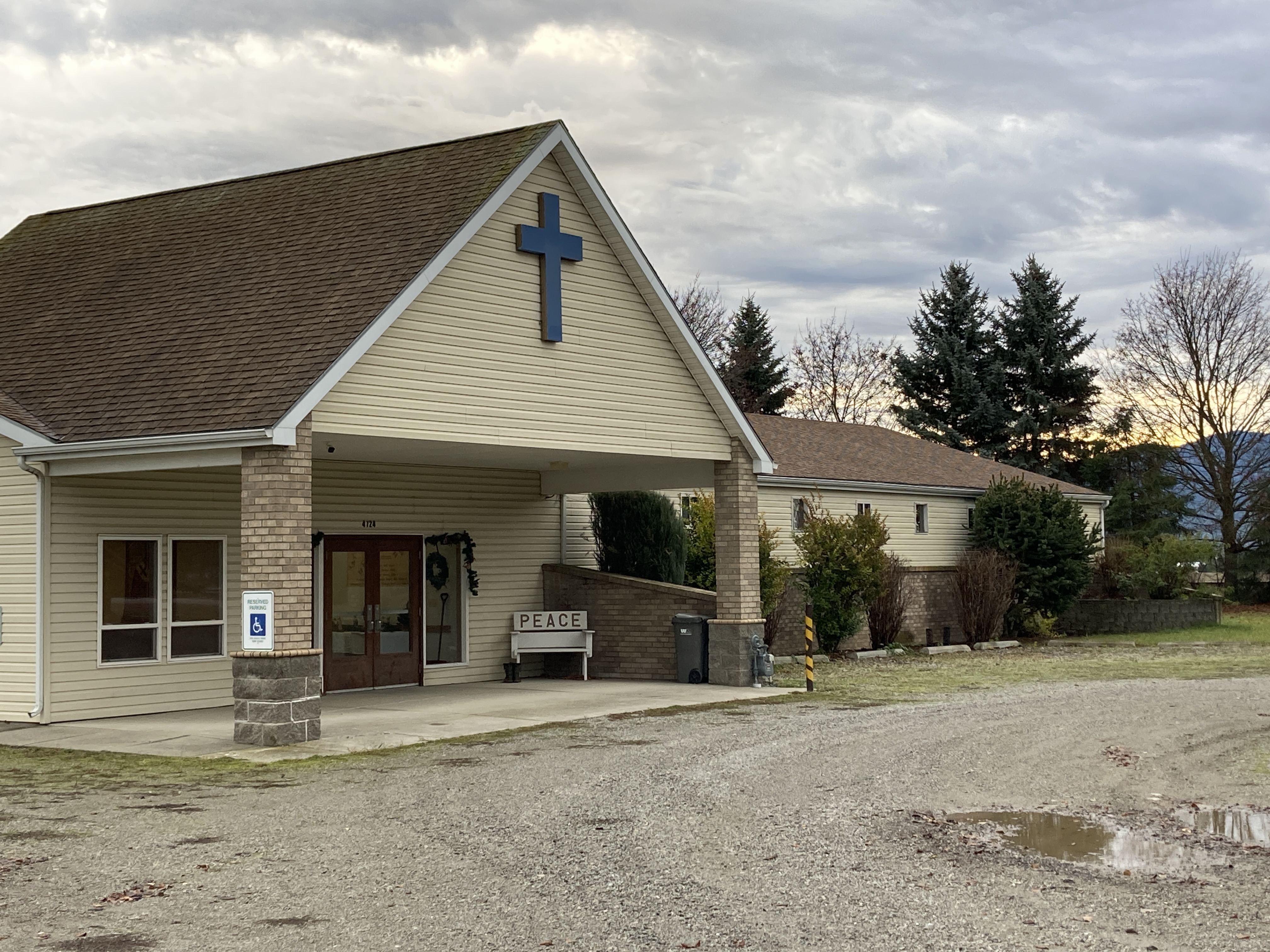
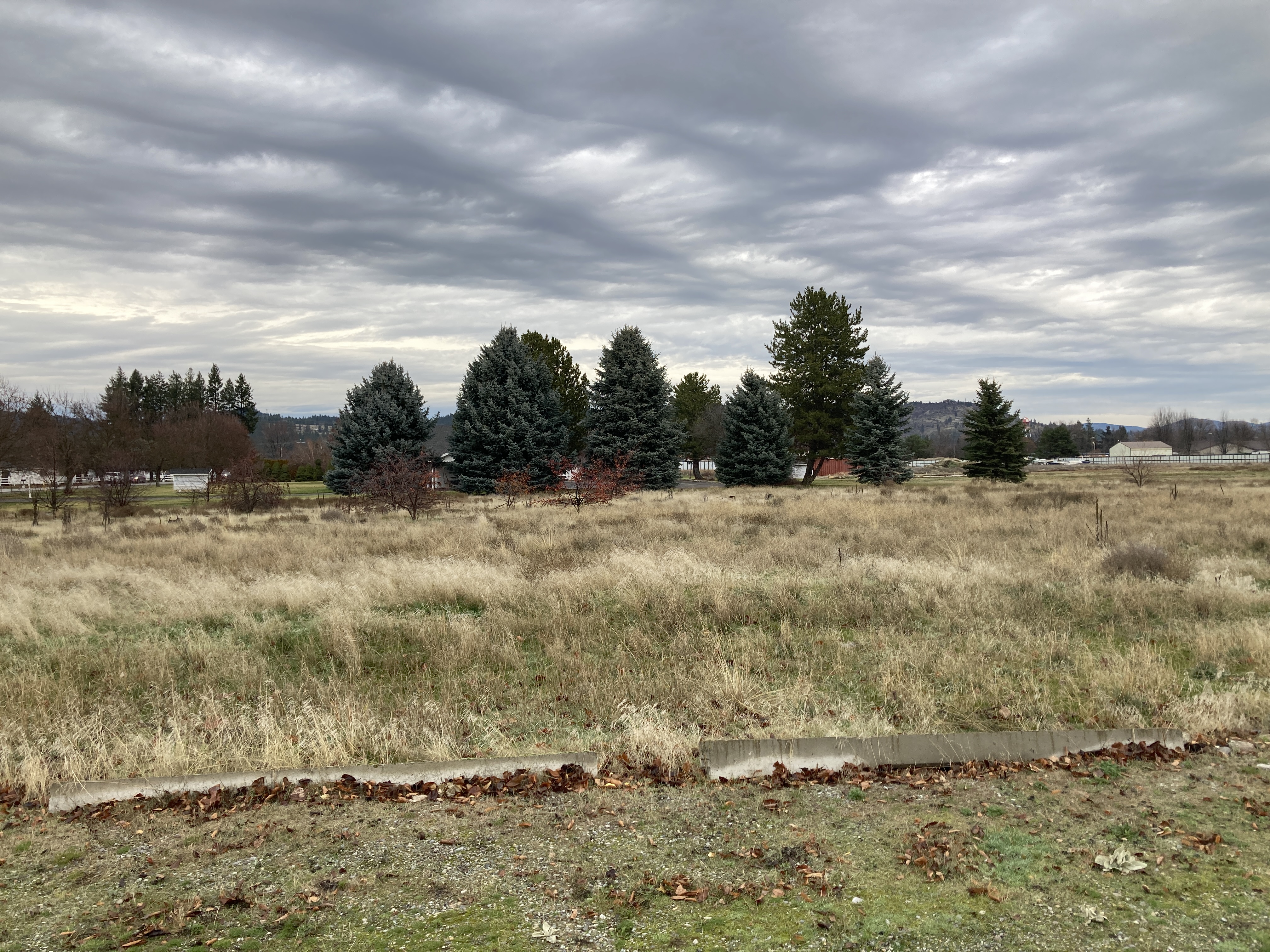
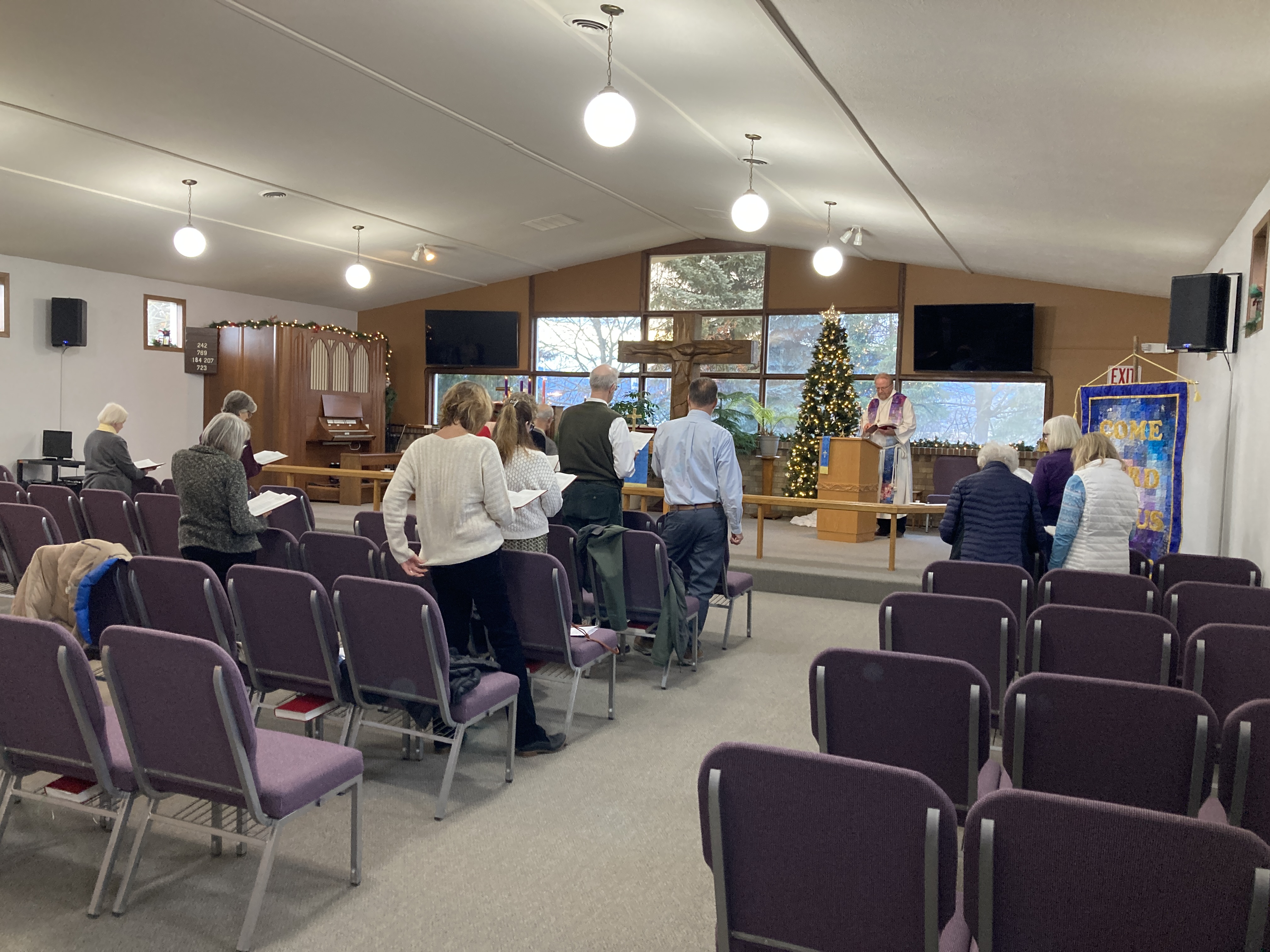
On the Third Sunday in Advent, I joined the saints saints of Peace Lutheran, Otis Orchards north of Liberty Lake, served by Pastor Dave Olson. They just voted to proceed with a prairie restoration project for much of their acreage.
Isaiah 35:1-10
“The wilderness and the dry land shall be glad; the desert shall rejoice and blossom; like the crocus it shall blossom abundantly and rejoice with joy and shouting.” The prophet Isaiah paints a beautiful tapestry with words of the natural world flourishing. It is not very often that I get to visit a congregation that is making a text actually come alive, but that’s what I get to do today. Among other things, I want to say Thank You, Peace Lutheran for your prairie restoration project. Through Pastor Dave’s Facebook posts and emails, I have watched this ministry be planted as a seed, now watered, and with you I wait to watch it flourish completely.
Of the desert blossoming is only part one of Isaiah’s vision. Further on we hear the verses which I have sung in my head all week. Verse five is so synonymous with the well-known alto recitative in George Frideric Handel’s Messiah that we may not even think about the actual words, “Then shall the eyes of the blind be opened.” The God of our Advent waiting promises transformation. Eyes that have been closed shall be opened to really see! Ears that have never experienced sound shall hear harmonious oratorios! The lame will leap like deer on the heights! The voiceless will sing at the top of their lungs! Handel first offered his Messiah in 1742 in a church in Ireland, a vulnerable island where people had been expended and used again and again by force and slavery and mercenary reprisal. That is where God goes—where the human soul longs for new life.
The poet Isaiah returns then to the natural world where burning sand shall become a pool, and thirsty ground springs of water. In a season in which so much of our synod is saturated and flooding, these may not be welcome words. And yet we in the Mountain West also know too well the reality of drought and high desert. We have stood outside in a spring rain or a late fall snow, grateful for life-giving water.
And it’s not a hard for us to translate this poetic imagery into the innermost parts of our life. Perhaps it is stubbornness or self-righteousness that has hardened our hearts. Maybe we have turned our back on any one of the relationships in our lives. Our empathy, our compassion, our ability to connect seems to have dried up like desert sands. Then, something changes our perspective, and we remember the abundant mercy and love of God; it feels like springs of living water.
Next, we hear the poet invoke a human structure: “A highway shall be there, and it shall be called the Holy Way; the unclean shall not travel on it, but it shall be for God’s people; no traveler, not even fools, shall go astray.” Because of this highway image the other song ever present for me this week was The Impressions’ 1965 hit, People Get Ready, not about a highway, but certainly about a journey.
This is a train song; this is a gospel song delivering good news. But 1965 was the height of the Civil Rights Movement, when the suppression of Black voters spurred the march from Selma to Montgomery and police assaulted peaceful marchers. To be confined in segregated schools, jobs, or neighborhoods is to lack freedom of movement. To be incarcerated, terrorized or dispossessed—and thus all too often to be Black in America—is to lack the mobility others take for granted.
African American music has repeatedly linked liberation to images of mobility: highways, marching, biblical exodus, space travel and trains. This is some of what Curtis Mayfield captures in his song. (Brad Erickson)
People get ready, there’s a train a-comin’
You don’t need no baggage, you just get on board
All you need is faith to hear the diesels hummin’
Don’t need no ticket, you just thank the Lord
Music critic Stanley Crouch explains Mayfield’s response to those events: “…by saying ‘There’s a train a-coming, get ready’ that was like saying, okay, so regardless of what happens, get yourself together for this because you are going to get a chance. Your chance is coming.” The train that is coming in the song speaks to a chance for redemption — the long-sought chance to rise above racism, to stand apart from despair and any desire for retaliation — an end to the cycle of pain.
Mayfield, who was living in Chicago at the time of the march, had grown up in the black church singing gospel. He said the song was a subconscious product of “the preachings of my grandmothers and most ministers when they reflect from the Bible.”
“It is a song of faith really, a faith that transcends any racial barrier and welcomes everyone onto the train. The train that takes everyone to the promised land, really.” Since its debut in 1965, “People Get Ready” has become a classic for many musicians. Bruce Springsteen has quoted from “People Get Ready” as part of his concert performances in the aftermath of the Sept. 11 attacks.
Curtis Mayfield died in 1999. “People Get Ready,” the song inspired by the March on Washington, lives on. Its idealism and optimism make it the ultimate crossover — crossing not only racial barriers but generations.
At the center of the song’s redemption and at the center of our text from Isaiah and its restoration of creation and humanity is God. “Here is your God,” announces the prophet, God coming with power to overcome the wickedness, disease, and disorder that stand in the way of God’s breathtaking new age. Salvation, this passage shows us, is not something that relates only to individual souls. Salvation is a transformation of humanity and creation that enables all to sing together in present and eternal joy.
The scripture tells us that God is the one with power to transform creation and humanity-and, look, here God comes! This is not an abstract or even eternal truth. It is a present announcement: God is showing up.
And where does this happen? The text is clear: it happens as people are given eyes to see and ears to hear. God is in our midst, and amazing things are possible. People of God have known this in every generation. And also in every generation, people have wondered how to see it more clearly and believe it more firmly, given the desert realities in which we live.
People in Jesus’ day were no different, and so the disciples of John the Baptist were sent to ask Jesus whether he was the one “who is to come” (Matthew 11:3). They were asking nothing less than whether or not they could announce what Isaiah had claimed: “Here is your God.” In response, Jesus pointed to this text: Watch what’s happening. Things are being transformed. The sick are healed and creation obeys my voice. God is at work here, and wonderful things are happening.
Can we believe this, that God has shown up in Jesus and stands today in our midst? It can be really hard to believe sometimes. The gift of this role is traveling around to different ministry sites, meeting individuals, sharing Holy Communion almost everywhere I go. God is absolutely showing up. My prayer today and always is that everyone in our synod be given eyes to see and ears to hear, and that our eyes and ears be opened to discover what God is doing in God’s Son Jesus and in the world around us.
At the same time, I give thanks that Peace Lutheran and so many other ministries are signs of the reign of God to those who are watching and waiting for God. It’s why we call our ministry sites Wellsprings of God’s Love. The world is transformed when you pass through, as it was when the Israelite pilgrims made their barren world a place of springs as they journeyed to Jerusalem. In Jesus Christ, God is in your midst, in the center of our lives and our world-just as God stands in the center of our text-and God means to do surprising things there.


 A Place at the Table