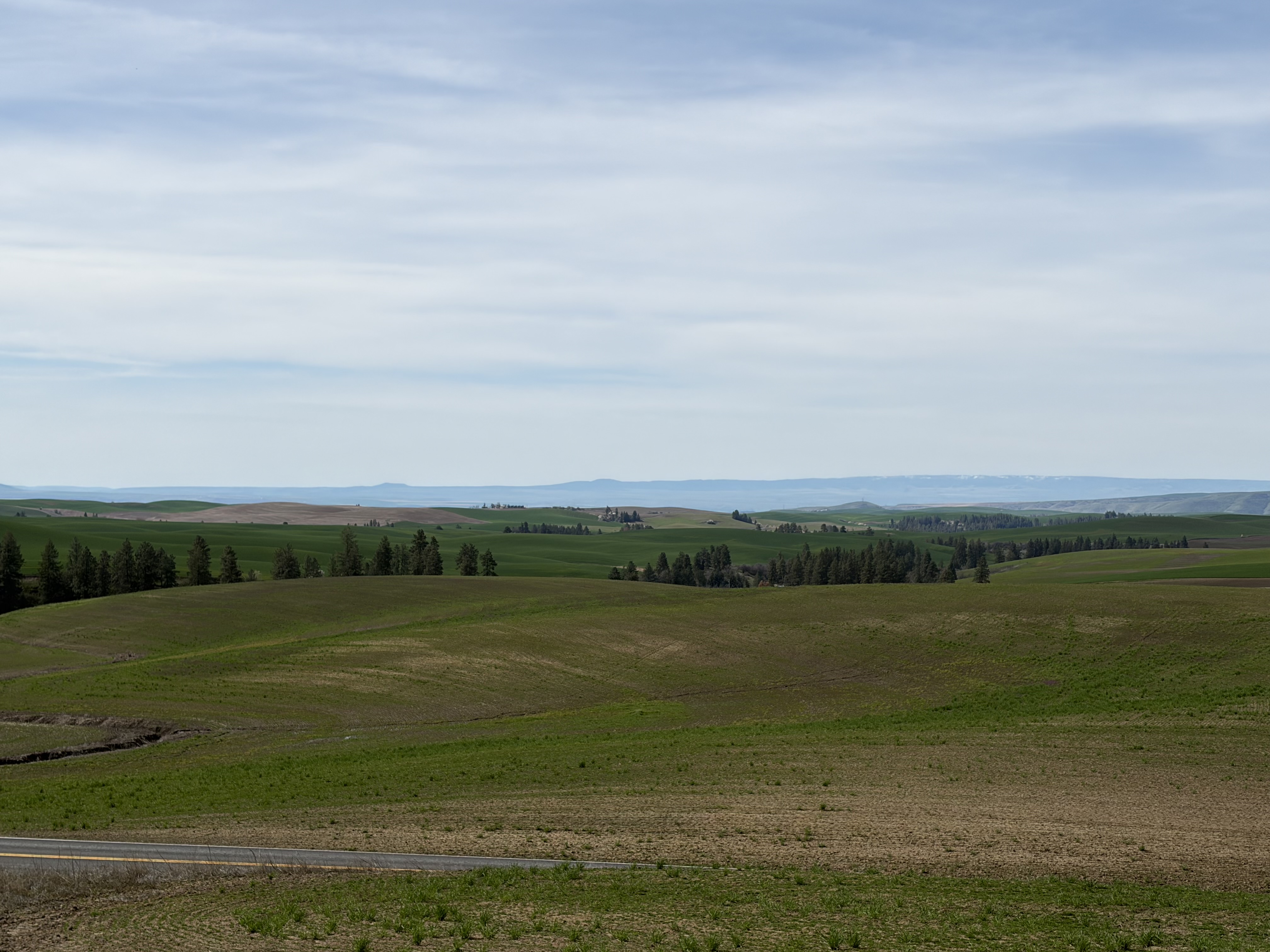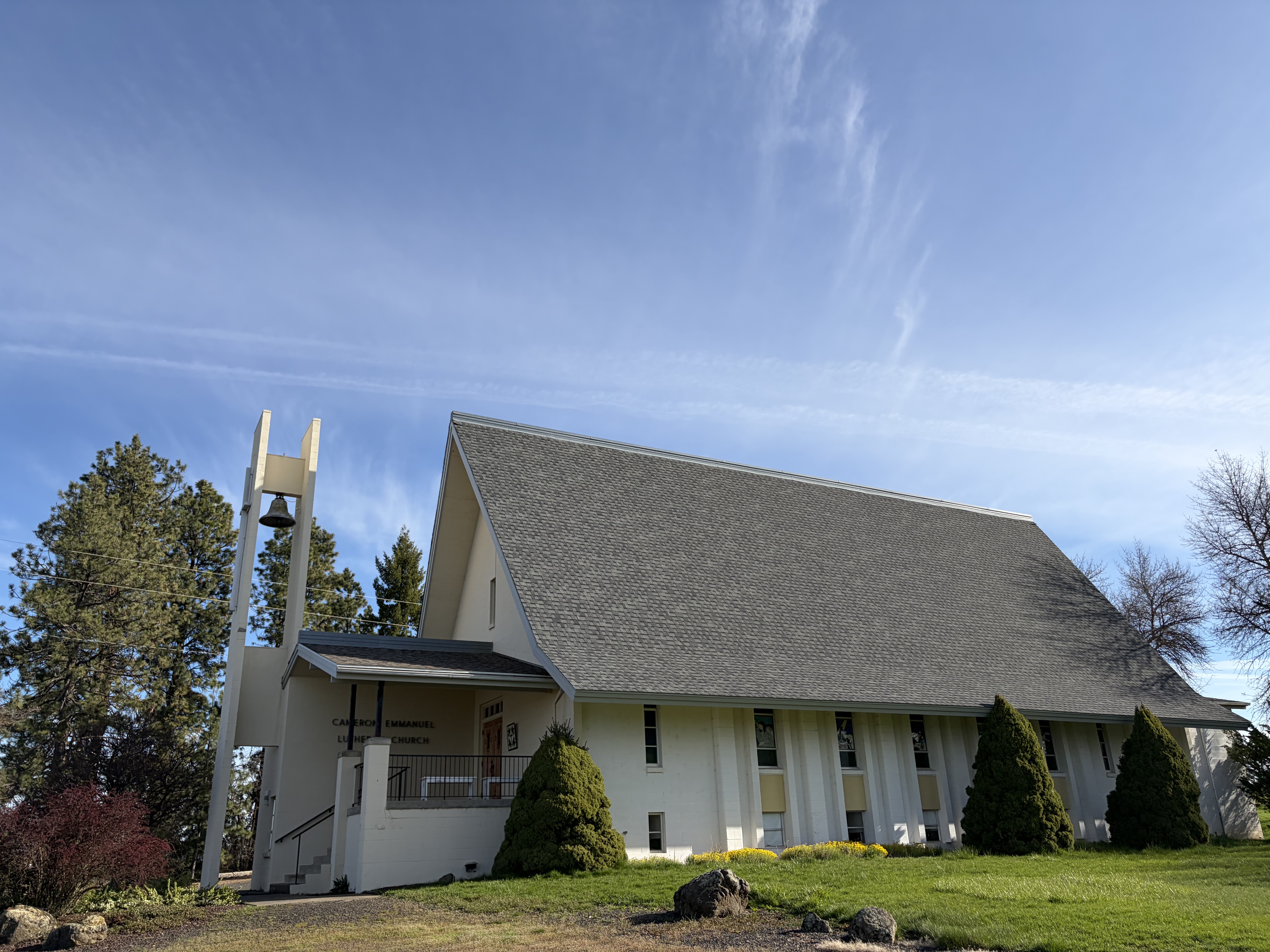
I enjoyed the sunrise service at Cordelia on the Palouse. Christ is risen indeed!
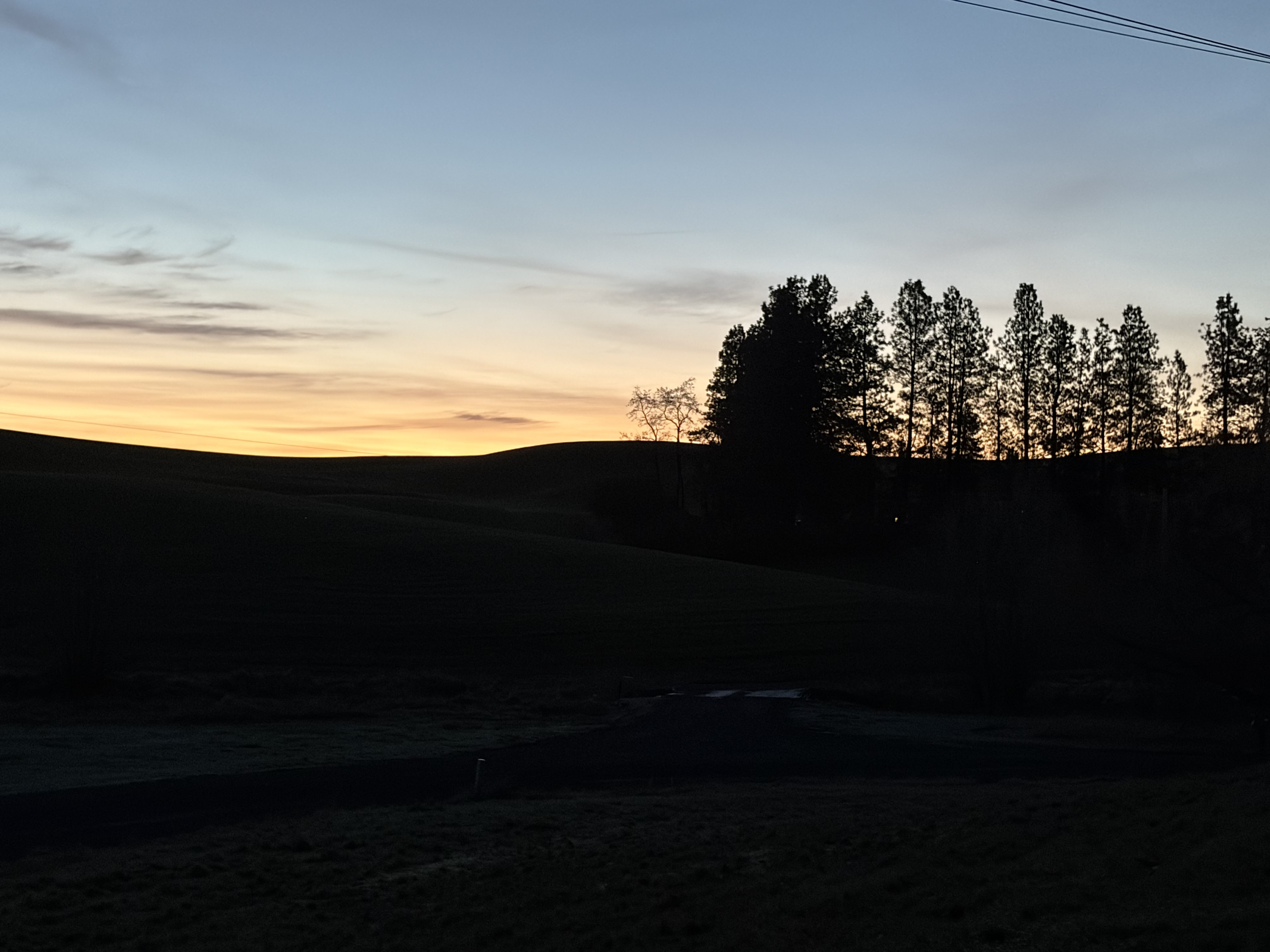
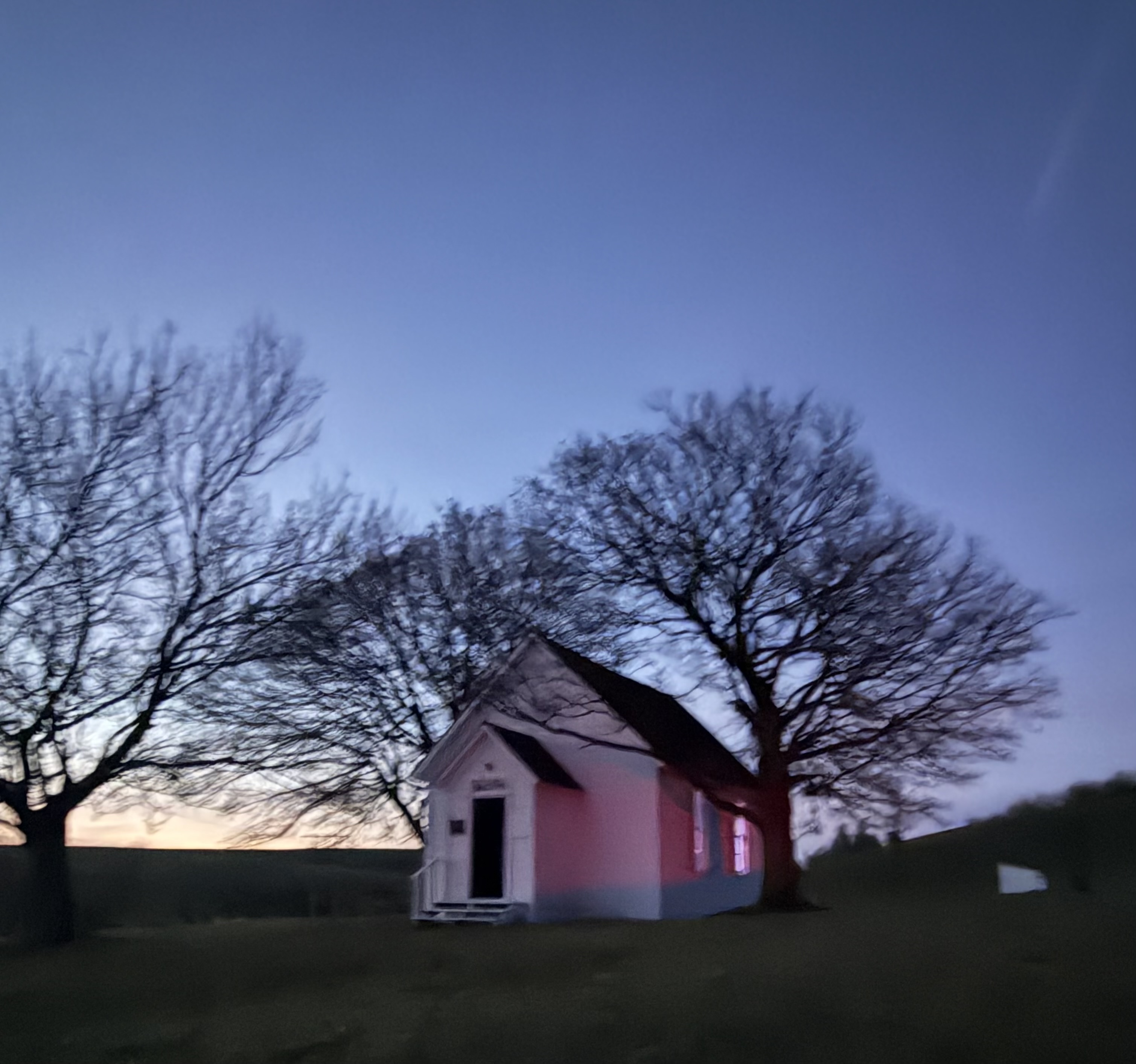
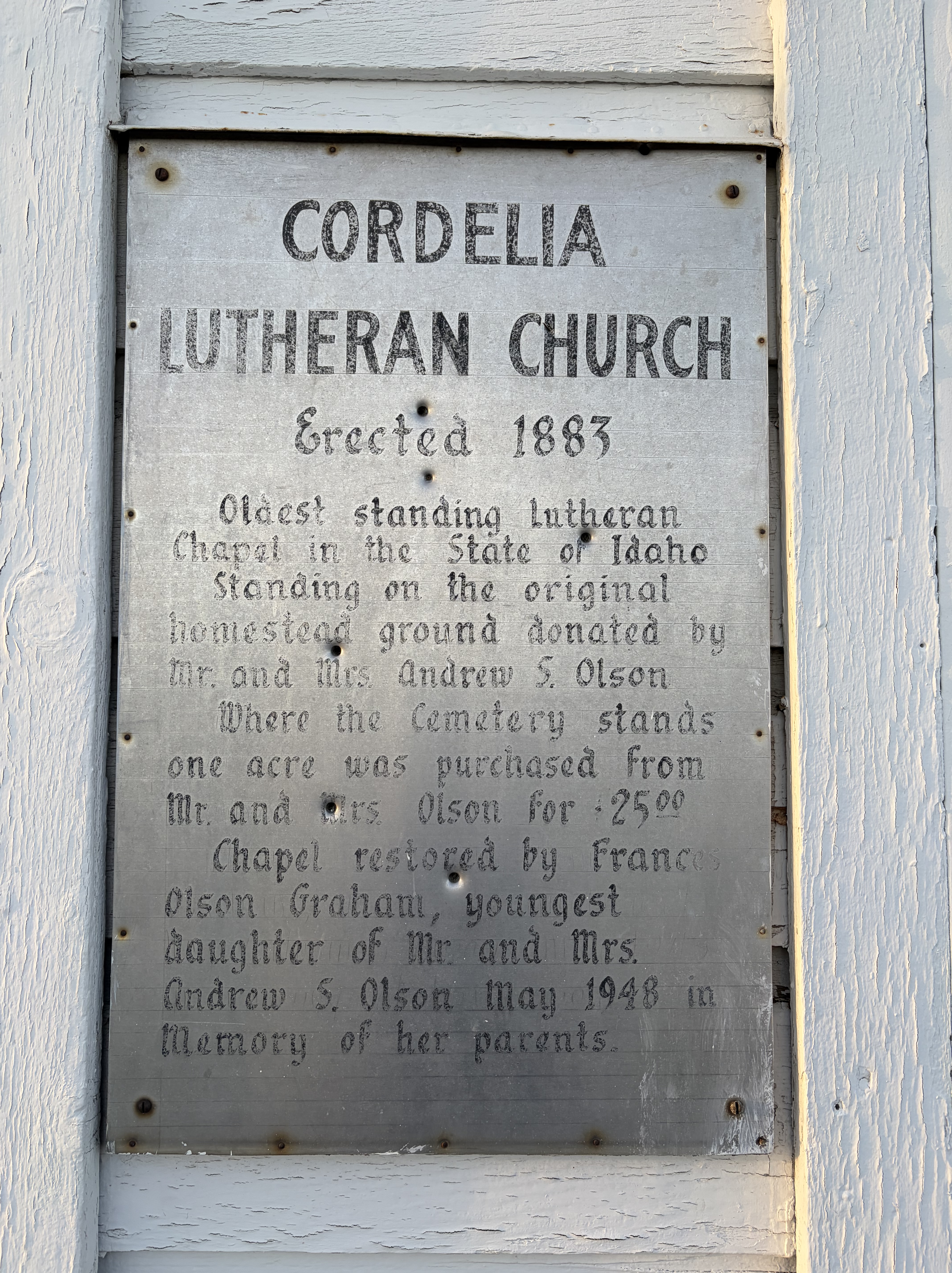
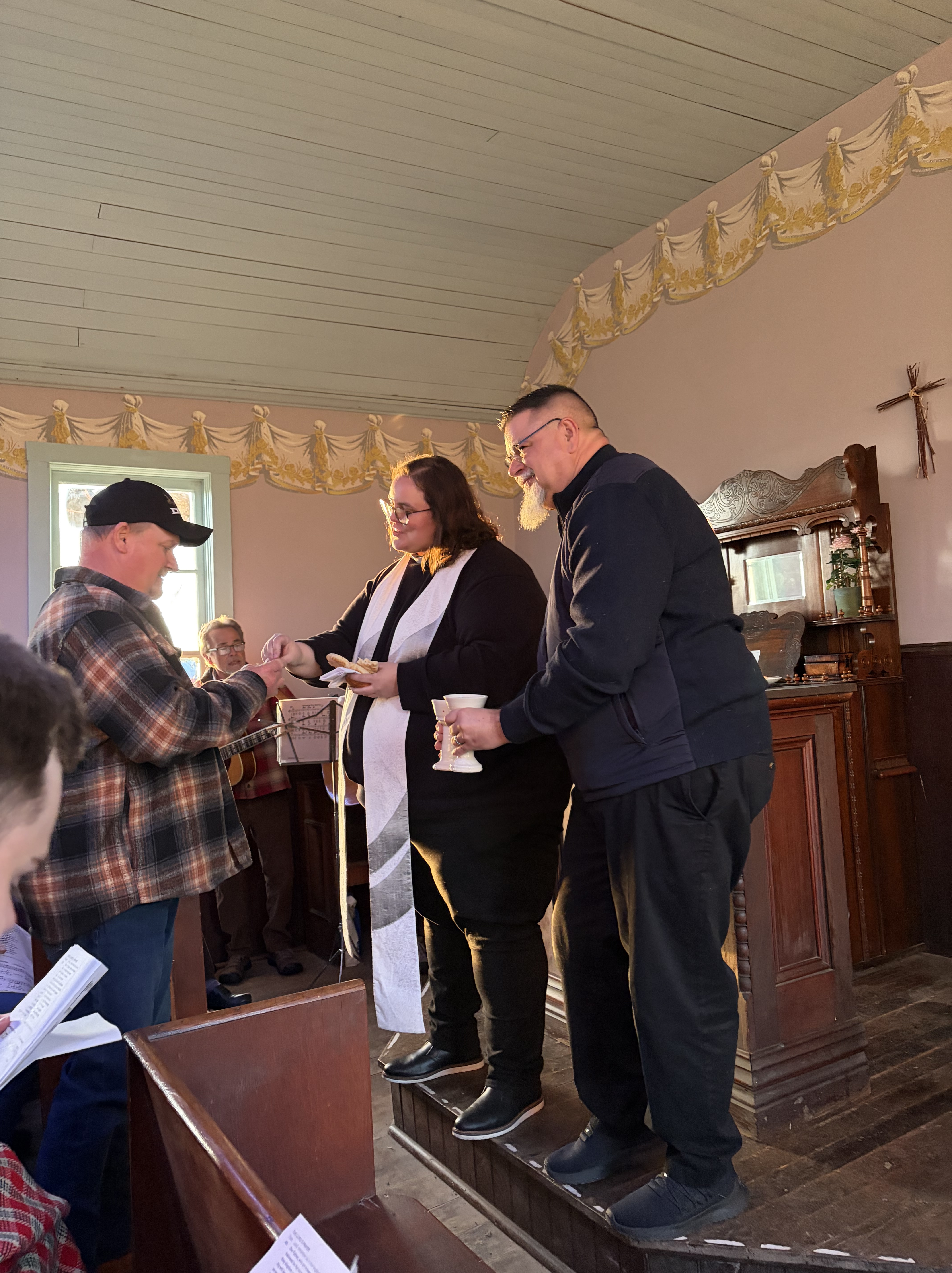
Then I drove over to Cameron Emmanuel Lutheran to preach and preside for their Easter Worship Service. Cameron Emmanuel will be a detached internship site (with supervisor in Moscow) starting sometime this summer!
Cameron Emmanuel – April 5, 2026
Matthew 28:1-10
This is such a great resurrection scene, in large part because of verse 2. Mary Magdalene and the other Mary have gone to the tomb and suddenly there is an earthquake. An angel of the Lord descends from heaven and rolls back the stone in front of the tomb and sits on it. His appearance is like lightening, and his clothing is as white as snow.
Confronted by the blinding light of this angel, the guards who had been posted in ensure that nothing would happen to Jesus’ body were so gripped by fear that they shook and became like dead men. Someone this week suggested we compare the men to fainting goats.
Jesus’ resurrection already creates a life freed from the death that grips our everyday lives. This is life reborn, revealing to us how death has determined our living. And yet it is possible to remain dead, to live as dead men, as the behavior of these guards will make clear.
The guards are frightened to death. But the angel tells Mary Magdalene and the other Mary that they do not need to be afraid: “I know that you are looking for Jesus who was crucified. He is not here; for he has been raised, as he said. Come, see the place where he lay. Then go quickly and tell his disciples, ‘He has been raised from the dead, and indeed he is going ahead of you to Galilee; there you will see him.’”
The angel’s speech contains all of the gospel. “Do not be afraid.” Jesus has made it possible to live unafraid. The disciples, followers, of Jesus are often afraid of the elites and the crowds, but Jesus has given them all they need not to be afraid. He has done so by drawing them, and us, into a way of life so compellingly true that we have no time to be afraid.
We read that Mary Magdalene and Mary left the tomb quickly with fear and great joy. The fear is that paired with joy. They leave the tomb in awe, knowing that they are now participants in the reign of God, which their teacher Jesus has spoken of so often. They fear they have as they leave the tomb is the fear that protects them from the fears that would have us deny the resurrection. Our human nature wants to create lives of security in the face of death. The joy filling the women saves them from this kind of fear.
The fear and joy they now experience is made possible by the resurrection. Mary Magdalene and Mary have seen the crucifixion; they have now seen the empty tomb. They are our first witnesses to the good news that the one crucified has been raised.
Jesus was handed over, made subject to sinners and death itself. But he has been made victorious. But the resurrection of Jesus cannot be seen. As one scholar [Hauerwas] says, we can no more see the resurrection than we can see creation. We can see only the empty tomb and the resurrected Jesus.
The resurrection is not a resurrection of one who had lived, died, and then lived again. Jesus raised his friend Lazarus from the dead. But Lazarus was still to die. Resurrection is not the resuscitation of a corpse. Jesus is raised from the dead to be freed from death itself. He will never die again. Jesus has been raised from the dead, defeating death itself.
Mary Magdalene and Mary rush from the tomb to tell the disciples, but suddenly, in an almost comedic encounter, Jesus meets them. It is Jesus, resurrected. It is the crucified one who is resurrected. Jesus greets them in a familiar way, and they come to him. They saw him and recognized him. They took hold of his feet. The resurrected Jesus can be touched.
The resurrection of Jesus is not an idea. His body has been raised. The one born of Mary, the one baptized by John, the one who called the disciples, the one who delivered the Sermon on the Mount, the one who cured the lame, the blind, the deaf and mute, the one who disputed with the Pharisees and Sadducees, the one who endured humiliation by trial and cross—he has been raised.
Jesus’ bodily presence does not prevent Mary Magdalene and Mary from worshiping him. One worships only God. Yet they worship him. They had not worshiped the angel who announced Jesus’ resurrection. But they now worship Jesus, Immanuel, God with us.
That they worship Jesus marks the central activity of the new reality of the body of Christ, the church, us! What makes the church the church is the worship of Jesus. The worship of Jesus will take many different forms across time and space. But where the word is preached and the sacraments are enacted, we know that Jesus is present among us. By baptism and communion, we participate in Jesus’ life, death, and resurrection, making us an alternative to the world. An alternative of life, abundance, and deep abiding love.
Being the alternative is not, however, an invitation for self-righteousness. Instead, it enables us to worship, just as Mary Magdalene and Mary do. We take time to worship in a world that thinks it has no time to worship Jesus.
Jesus tells the women not to be afraid, but to go tell his brothers to go to Galilee where they will see him. Jesus’ disciples—brothers and sisters, will bring forth life. Again, we see the beginnings of the church, the same church you embody today. And Jesus is returning to Galilee, where he began his ministry. Jesus unleashes the disciples to go into the world not from Jerusalem, the center of power, but from Galilee. Galilee becomes the staging area for the disciples to go to the nations to announce the new age begun by Jesus.
For us today, as for Mary Magdalene and Mary, Jesus goes ahead of us to lead us into the world. Jesus leads us into a transformative way of life that testifies to the power of resurrection wherever we live. “Jesus is going ahead—not going away,” one scholar [Schuessler Fiorenza] said. The empty tomb does not signify absence but presence. It announces the resurrected one’s presence on the road ahead.
If Jesus is indeed going ahead, then we are asked to look for experiences of resurrection presence not only in Galilee but also in Cameron, Kendrick, Lewiston—on all the roads of our lives. Resurrection means that Jesus, the Living One, goes ahead of you. Jesus can be found only when we experience that “he is ahead of us” and he opens up a future for you. Like Mary Magdalene and Mary, you can run to meet that liberating future. The stone has been rolled away.
Finally, the command to go to Galilee does not erase the experience of death and violence. Resurrection comes to us first of all in our most broken and unexpected places, breaking the structures of the Roman occupation regime in Jerusalem and the structures of every regime of death in our lives today. As we announce at every grave—death does not have the final word. Death itself has been swallowed up.
Jesus is going ahead. He continues into the future God has in store for the creation. In the meantime, there is only the Word, the bread, and the wine, and the promise that “you will see him.” We walk by faith and not by sight. We can only trust that God will one day finish the story, as God has promised.