Through the Palouse to Spokane

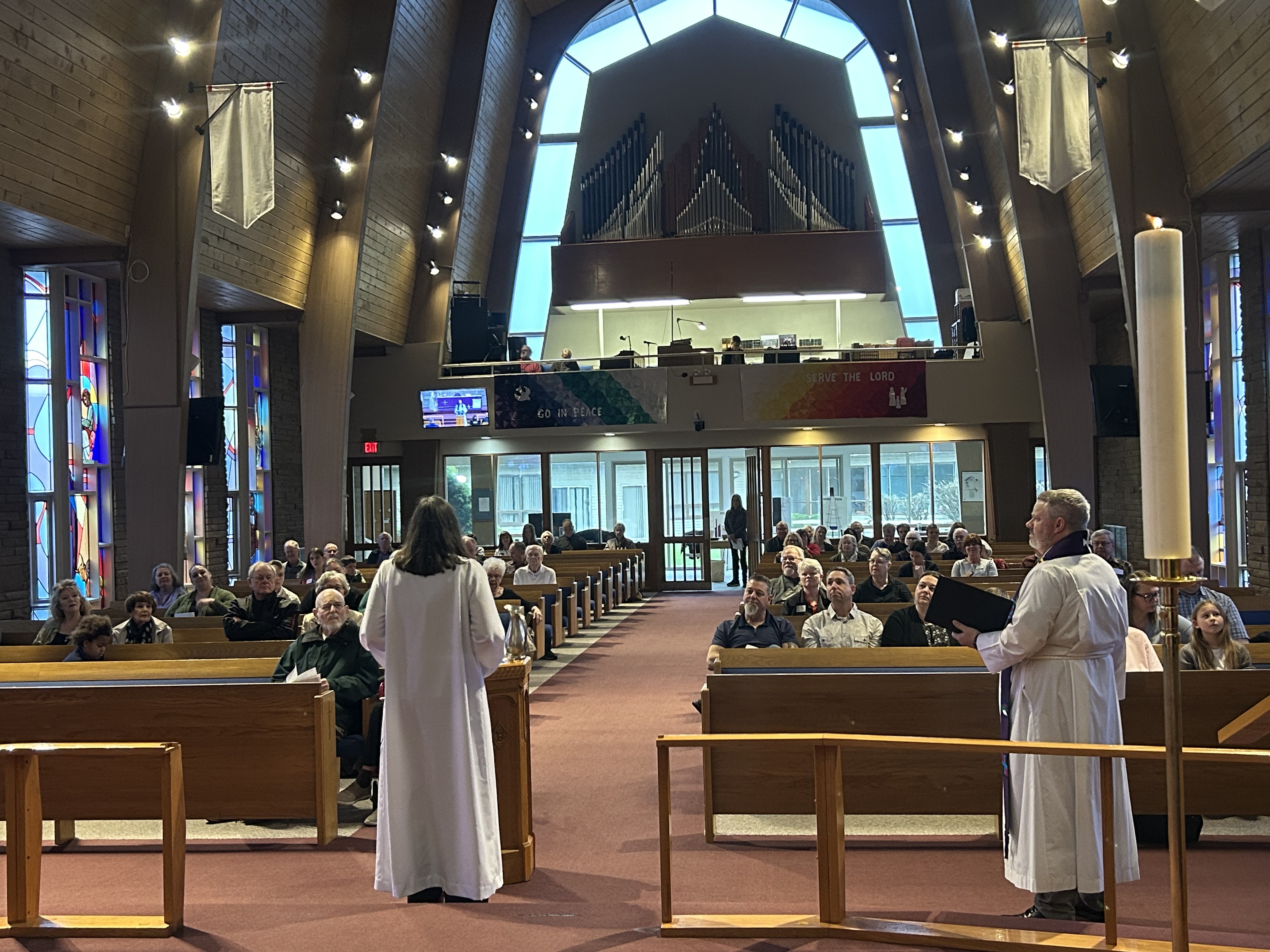
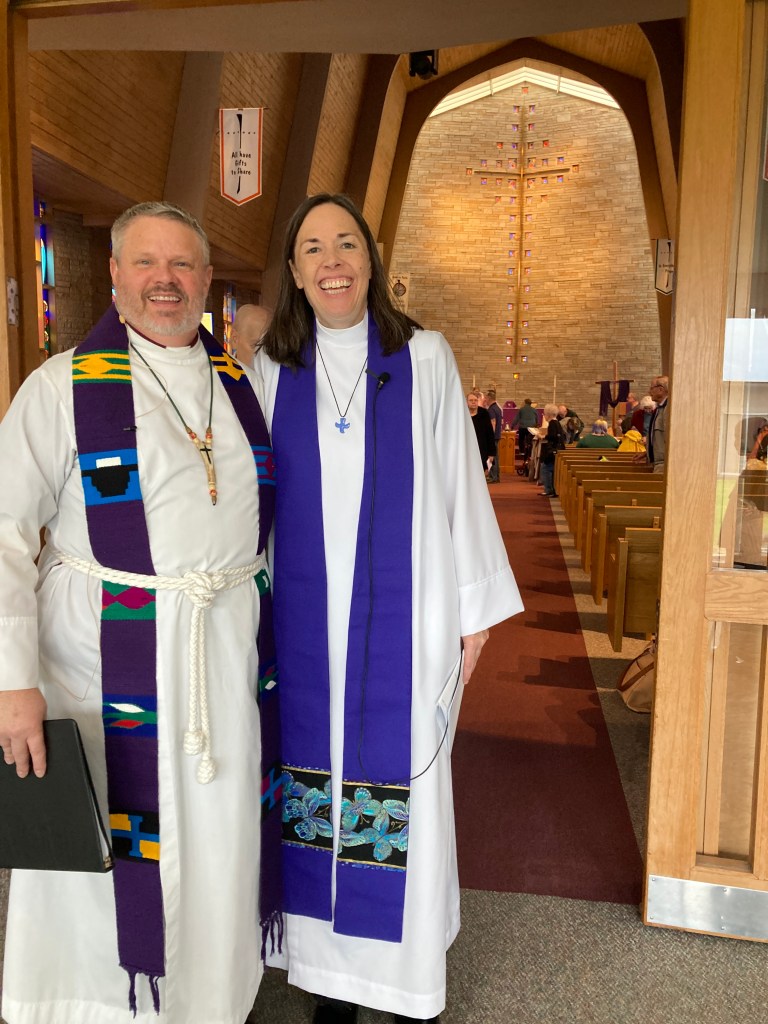
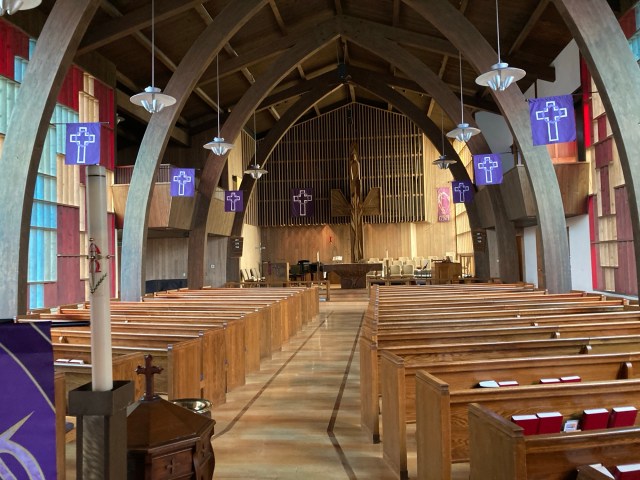
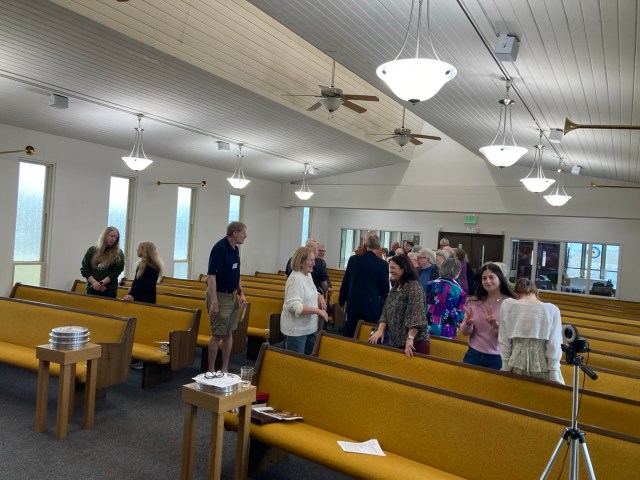
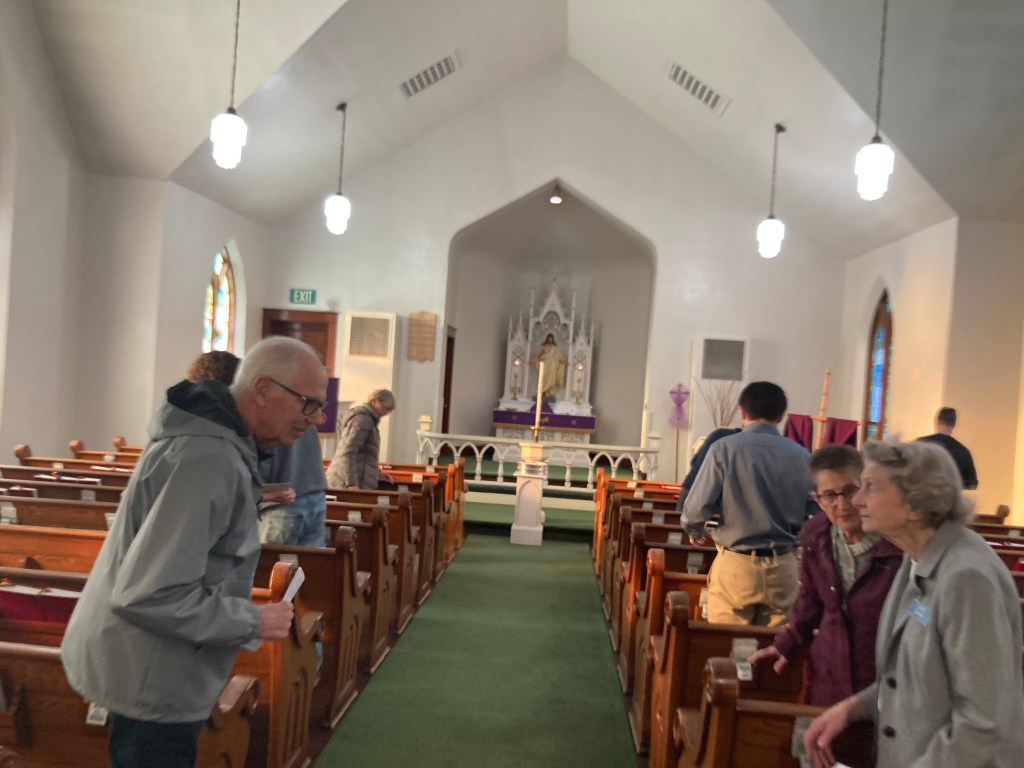
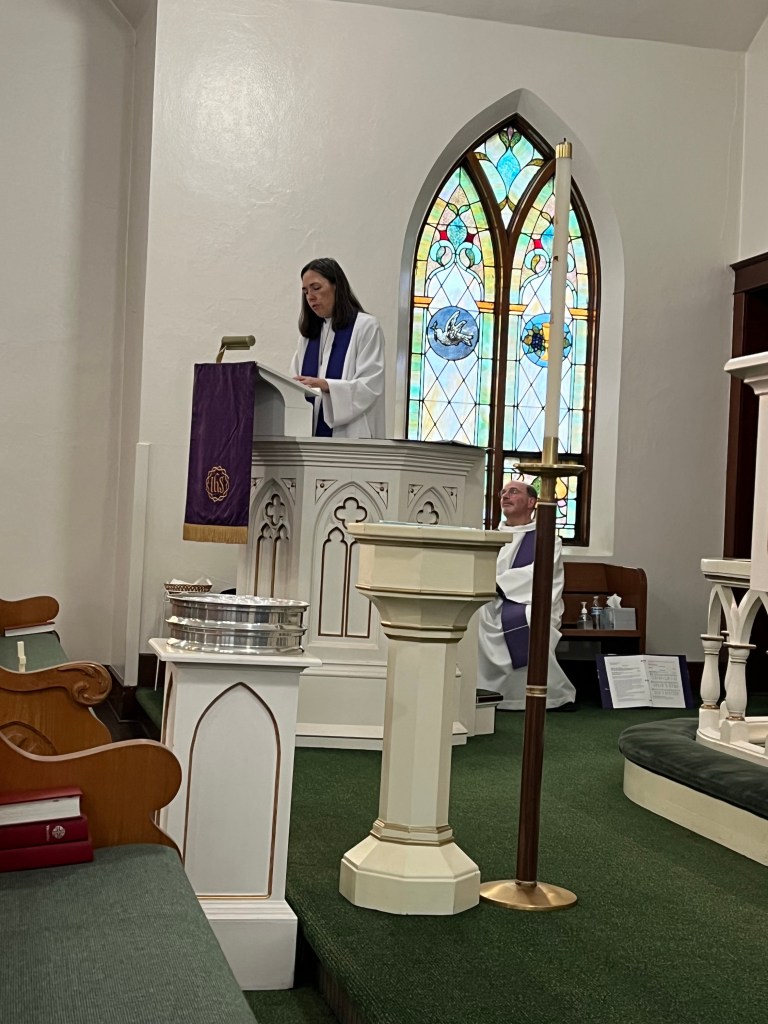
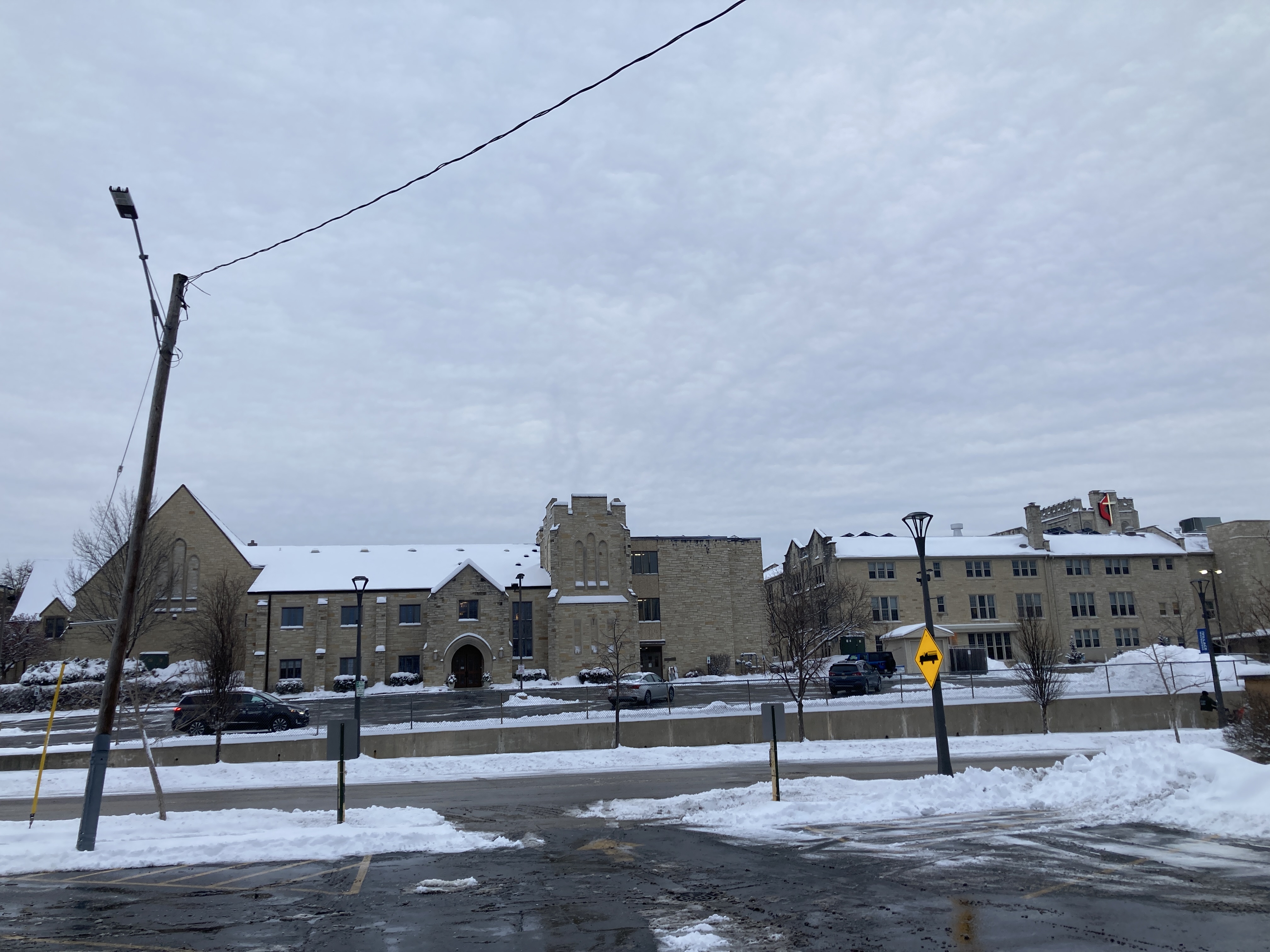
After preaching at First Lutheran, Kennewick last Sunday, I drove to Trinity Lutheran, Endicott for the 75th anniversary of their historic church building.

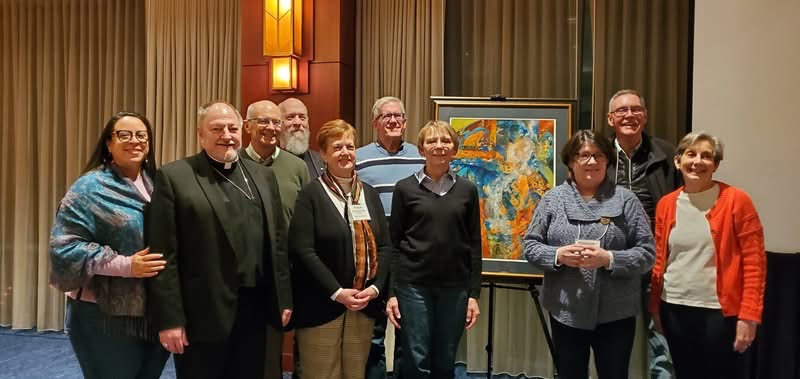
From the church’s FB page: We were blessed to have these people back home with us to celebrate the 75th Anniversary of the Dedication. From left: Deacon Kathy Hannas Sebree, Pastor John Hergert, Pastor Phil Misner, Bishop Meggan Manlove, Rev. Dr. Ian McMichael, Pastor Phylis Stromme and Pastor Stan Jacobson. Pastor Stan and Pastor Phil both served here as our pastors and Pastor Phylis was an interim with us for several years. Deacon Kathy and Pastor John are both comfirmands from here and serve in ministry. Pastor Ian currently serves as our pastor. We celebrated the anniversary of the building, but also celebrate those who have had integral roles in our life here at Trinity. We are grateful for them.

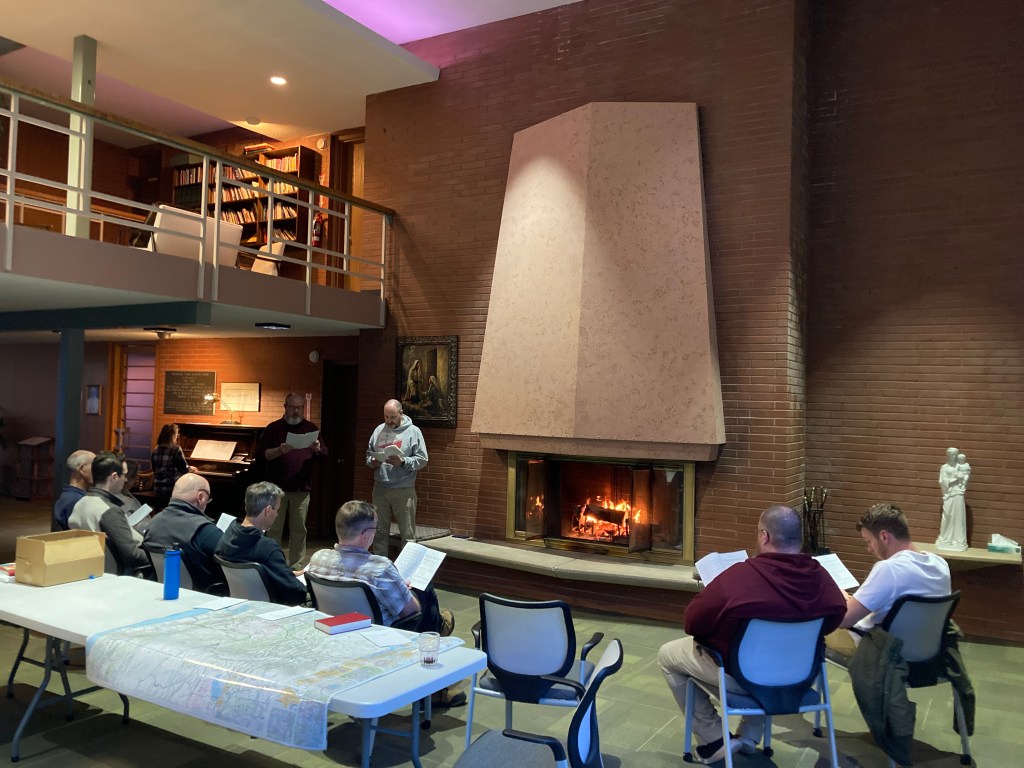
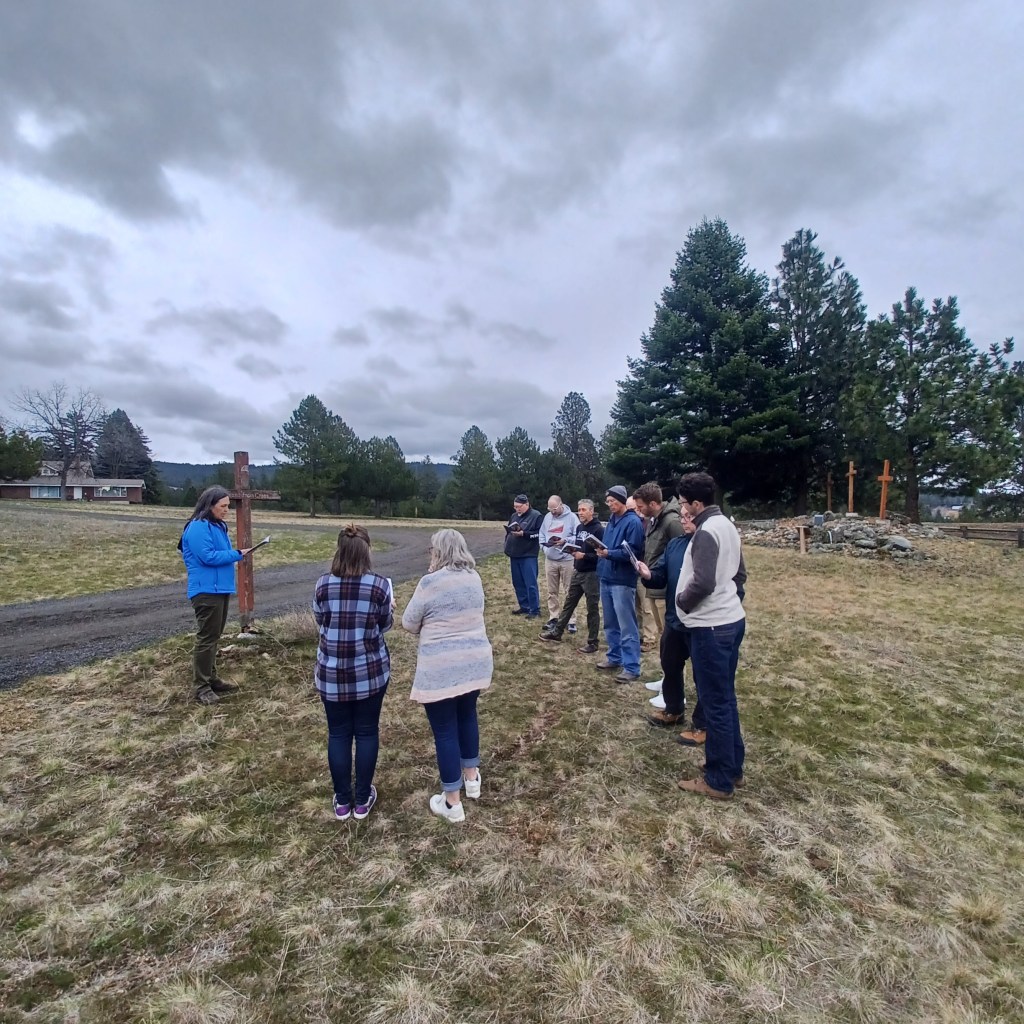
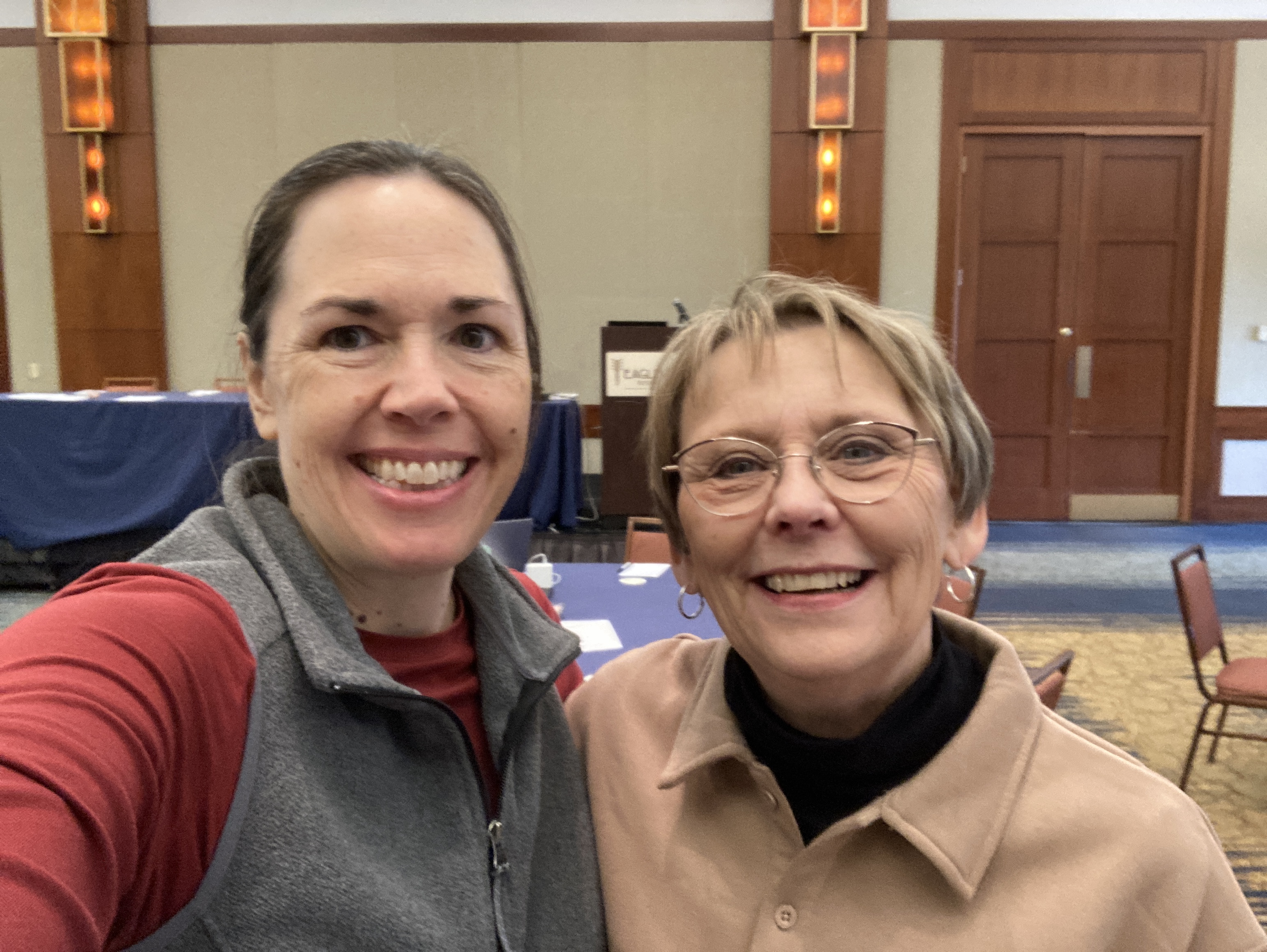
Monday-Wednesday was the retreat for cluster deans at Immaculate Heart Retreat Center on the edge of Spokane. We heard about every congregation in the synod as deans gave updates and we also discussed what is and will be needed by our roster and lay leaders in the next few years. We also prayed, explored Spokane, sang, walked the Stations of the Cross, prayed and talked more.

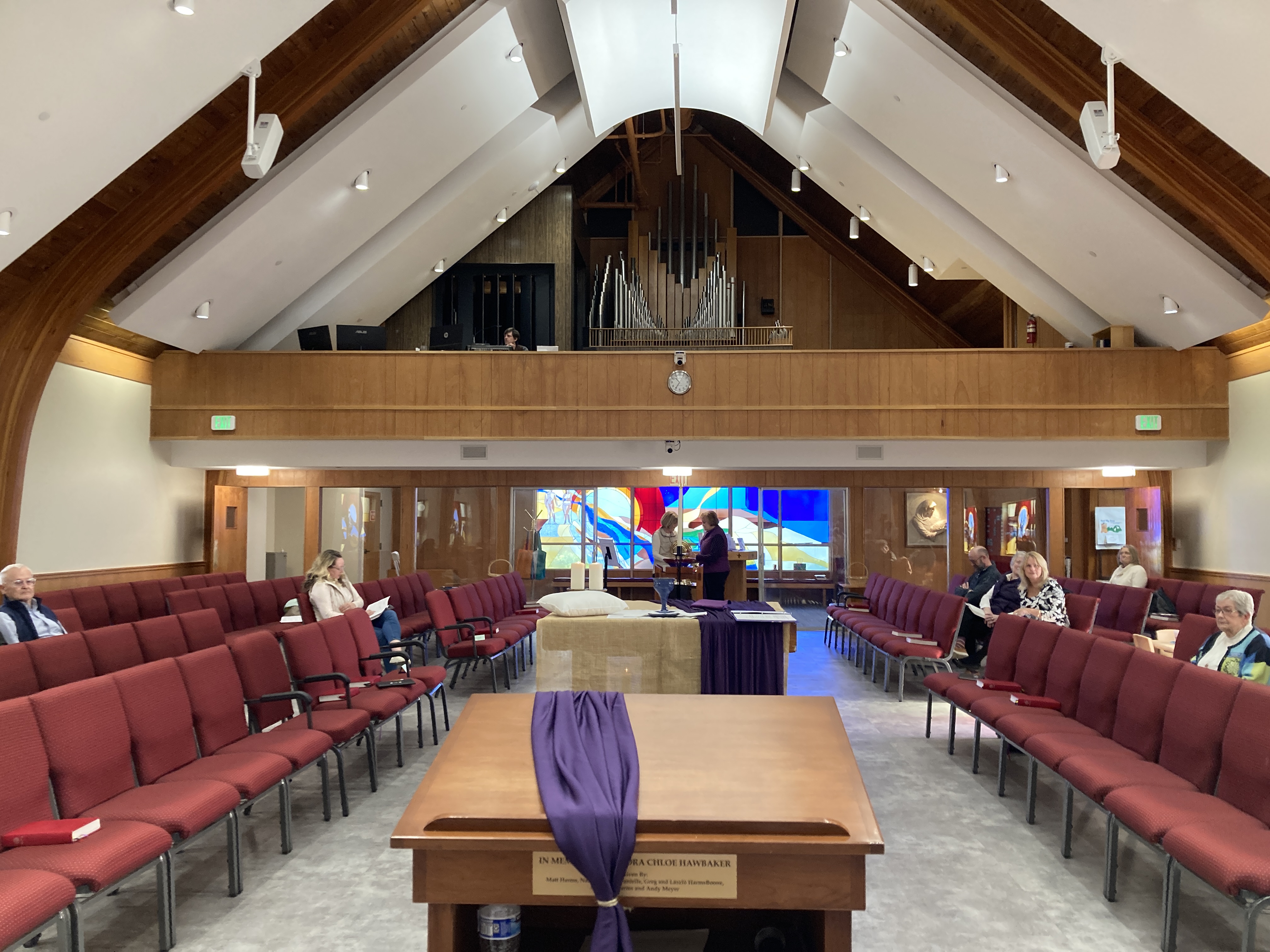
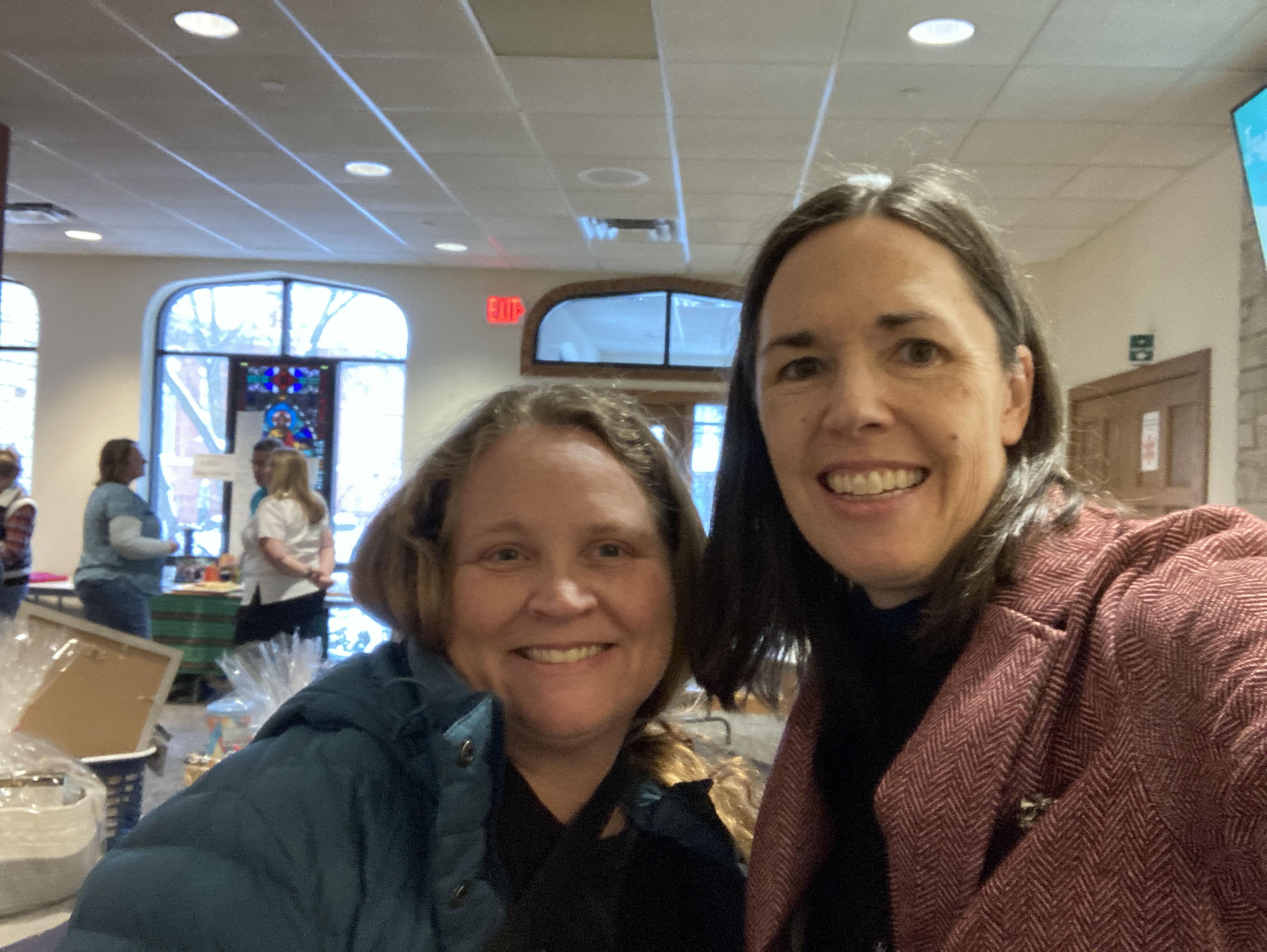
Wednesday evening I dropped into St. Mark’s in Spokane for midweek Lent Soup Supper and Evening Prayer. I was able to catch up with a LCSNW board member, hunger ministry leaders, a synod council member, St. Mark’s pastors and others.

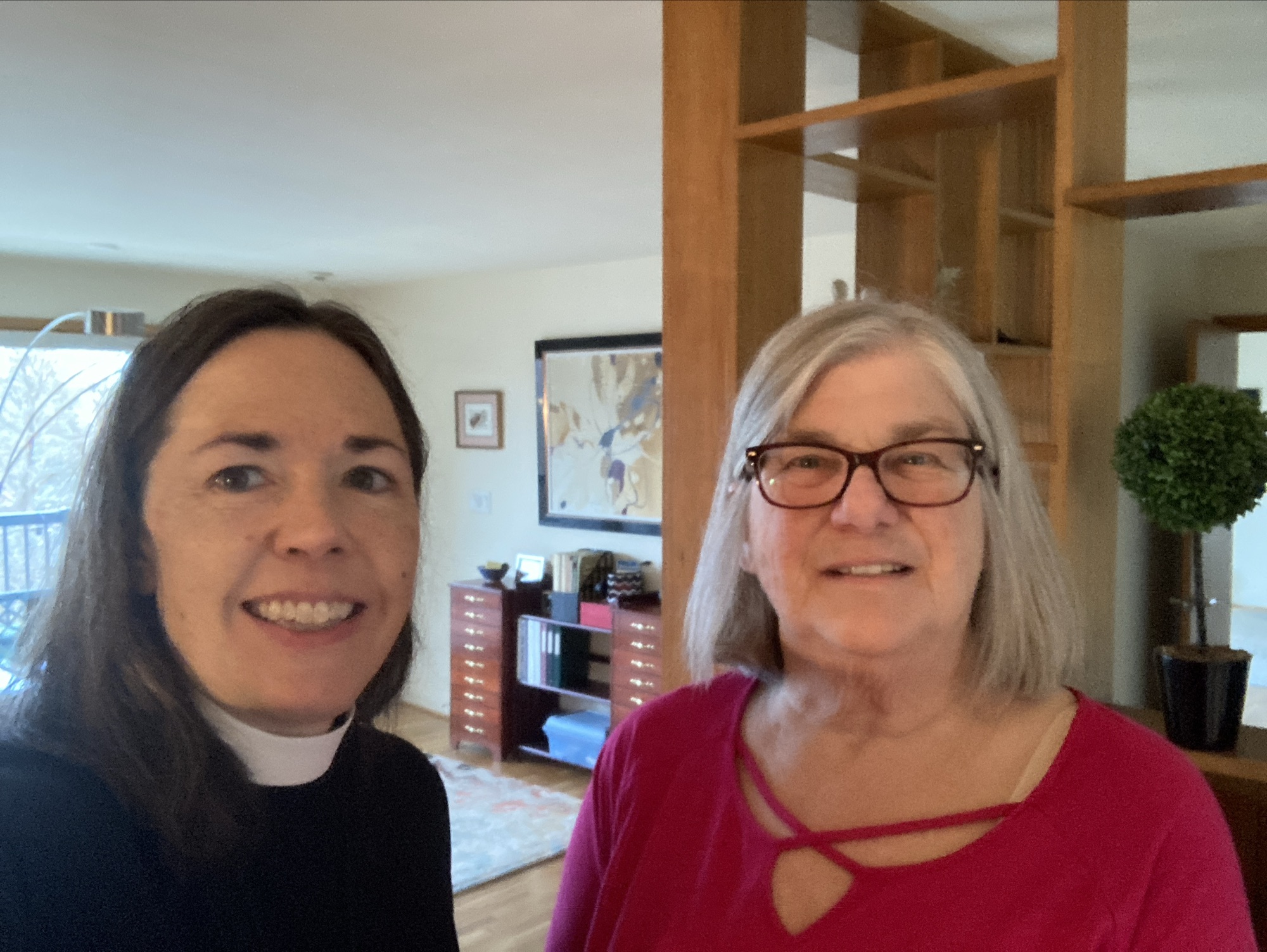
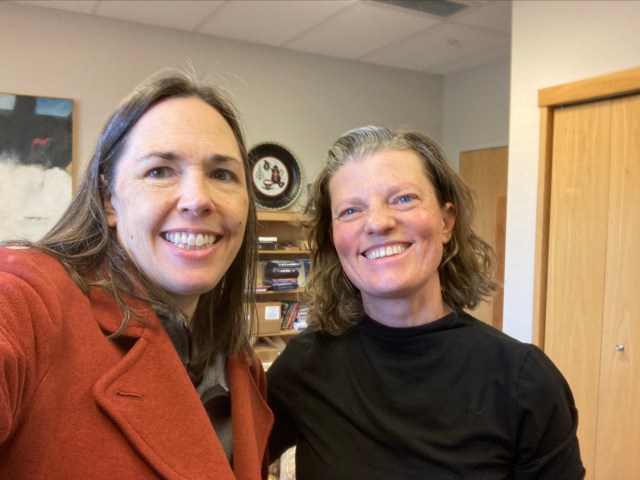
Thursday was a good day with staff in the office and I was able to connect with Episcopal Diocese of Spokane Bishop Gretchen Rehberg. Friday and Saturday was Candidacy Committee days–grateful for all those who serve on this committee, even though I forgot to take a photo.

Posted in NWIM Synod, Reflections | Leave a comment

First, Kennewick – March 23, 2025

State of the Synod during Announcements

Luke 13:1-9

I have always been a big fan of the show Law and Order. I loved this show in my late teens and would watch reruns for hours while home on college breaks. I still think the first four seasons are the best. Much has been written and discussed about the show’s appeal. I am confident that one factor is the dependable formula–solving the crime, making the case, and the District Attorney, representing the people, us, always wins. At the close of every episode someone is blamed and held accountable. Humans are prone to place blame. We certainly want to place blame when a tragedy is cause by other humans. We find comfort finding a cause or placing blame when there is a natural disaster. I actually don’t fault my teenage self for wanting to escape into the world of Law and Order, so long as I remembered that it is not reality.

Jesus brings an alternative perspective, outlook, and way of living. Instead of focusing on other people’s misbehaving, make sure you are producing good fruit. Instead of assigning causality to others misfortune, ensure that you are not ignoring your own missing fruit. Tragedies, unexplainable and mysterious though they maybe, call survivors to greater obedience. 

There is more. Jesus’ words suggest that tending to one’s own life and changing one’s own mind is the best strategy to prevent or even persevere through unexpected calamity. The call to repent, to change our perspective and actions, turns out to be life-giving.

The event that sparks Jesus’ response is Governor Pilate’s execution of Galileans during some ritual practice. In telling Jesus of the horrible thing that has happened to these Galileans, the people are raising the commonly held belief among Jews that Galileans were less faithful than other Jews. Maybe this is why Jesus responds: Do you think that these particular Galileans were worse sinners than other Galileans? Then he sharpens the question by bringing it closer to home: Those eighteen upon whom the tower of Siloam fell and killed them, do you think that they were worse offenders than all the others who dwelt in Jerusalem?

Jesus carries the matter one step further, and shows that we are posing the question in the wrong way. The surprising thing is not that so many die but that we still live. If it were a matter of sin, we would all be dead. Twice Jesus says: “Unless you repent, you will all likewise perish.” 

Jesus seems to honor his audience’s fear and the vulnerability that their fright has opened up in them. It is not a bad thing for them to feel the full fragility of their lives. It is not a bad thing for them to count their breaths in their fear–not if it makes them repent.

Don’t worry about Pilate and all the other things that can come crashing down on your heads. Jesus seems to tell his listeners that terrible things happen and you are not always to blame. But don’t let that stop you from doing what you are doing. That torn place your fear has opened up inside of you is a holy place. Look around while you are there. Pay attention to what you feel. It may hurt you to stay there and it may hurt you to see, but it is not the kind of hurt that leads to death. It is the kind that leads to life. To drive the point home, he tells a parable.

The parable of the fig tree has often been read allegorically, assuming that the landowner is God, and the gardener is Jesus. But nowhere else in this gospel do we find a picture of an angry, vindictive God that needs to be placated by a friendly Jesus. Think instead of the prodigal son being welcomed home by the gracious father. 

I liked how one scholar [Gonzalez] put the parable in the context of a vineyard. Remember what a vineyard looks like at the last possible time when one would normally come looking for figs on a fig tree. The vineyard would have already yielded its grapes and would have been severely pruned. It would all have been cut down, and one would see nothing by dry and gnarled stumps. In the midst of this scene of apparent desolation stands a verdant fig tree. It has never been pruned. Now it will receive even better treatment. The vinedresser will dig around it and give it an exceptional dose of fertilizer. 

To a casual observer, the tree would appear to be specially blessed, and the vines cursed and forgotten. One would think that the fig tree must be particularly valuable if it is treated with such care. This is what one would expect on the premises of the so-called gospel of prosperity: good things are a reward for faith and fruitfulness. But the truth is exactly the opposite. The fig tree is receiving special care because it has yet to give the fruit it was meant to bear. That’s because God keeps nurturing, forgiving, and loving.

I actually like to think about this parable more communally and less individually. That is, what does this parable say to the entire Northwest Intermountain Synod, all 85 congregations plus specialized ministries? Or what does it say to the congregation of First Lutheran in Kennewick, WA in March 2025? I’ll say more about this after worship, but your synod staff has started to use the phrase Wellsprings of God’s Love to describe our ministry sites, congregations like yours. That’s because so often when we are out in congregations on a Sunday or midweek and then report back at our staff meeting, we are bubbling over with stories of God’s love. We have so many fruit bearing stories. That was true last week when I visited Christ Lutheran, down the road in Yakima and it’s true today. 

Justo Gonzalez writes, “We tend to think that the fact that a church as many resources at its command is a sign that it has been faithful. But this parable raises the possibility it may be otherwise. Could it be that our own abundance  has been given to us in an effort to lead us to bear fruit, to share those resources, to share of ourselves, and that the reason we survive is not … [our greatness], but this miraculous grace of the Owner of the vineyard who has decided to give us one more chance?”

You all have said yes to that one more chance and fruit is obvious here through the welcome to stranger, the sense of belonging, your obvious partnership with local organizations like Lutheran Community Services and Sent to Serve. You share your building with 12 steps programs. Fruit bearing extends beyond Sunday morning and beyond your walls and, most importantly, your fruit bearing is aligned with the very gospel of Jesus Christ.

I actually think one of the most interesting or challenging parts of interpreting today’s passage is that Christianity is not of one mind when it comes to repenting and changing our perspective or fruit bearing. It is not the purity culture, it is not the prosperity gospel, it is not some form of Christian Nationalism. We do well to remember Jesus’ inaugural address when he quoted the prophet Isaiah, “The spirit of the Lord God is upon me, because the Lord has anointed me; he has sent me to bring good news to the oppressed, to bind up the broken-hearted, to proclaim liberty to the captives, and release to the prisoners;2 to proclaim the year of the Lord’s favor.” If there is any question about what perspective repentance ought to lead us to, there it is in Jesus’ first public address.

The Season of Lent gives us tools for repentance as well. We adopt the disciplines of Lent, all for the sake of our relationship with God and our neighbors. We remember that in the waters of Baptism we are reborn children of God and inheritors of abundant life. We are made members of the body of Christ. We live with Christ and with his people. We grow in faith, love, and obedience to the will of God. In Baptism we renounce the forces of evil, the devil, and all his empty promises. We are sealed with the Holy Spirit and marked with the cross of Christ forever. Part of repentance is remembering whose we are. 

Thank you for remembering, First Lutheran, for being fruit bearers. Know that the God who claimed you in the waters of baptism and brought you together as a congregation for this chapter of ministry, will never give up on you, will keep pruning and nurturing you, will keep offering you chances to bear fruit. Thanks be to God.

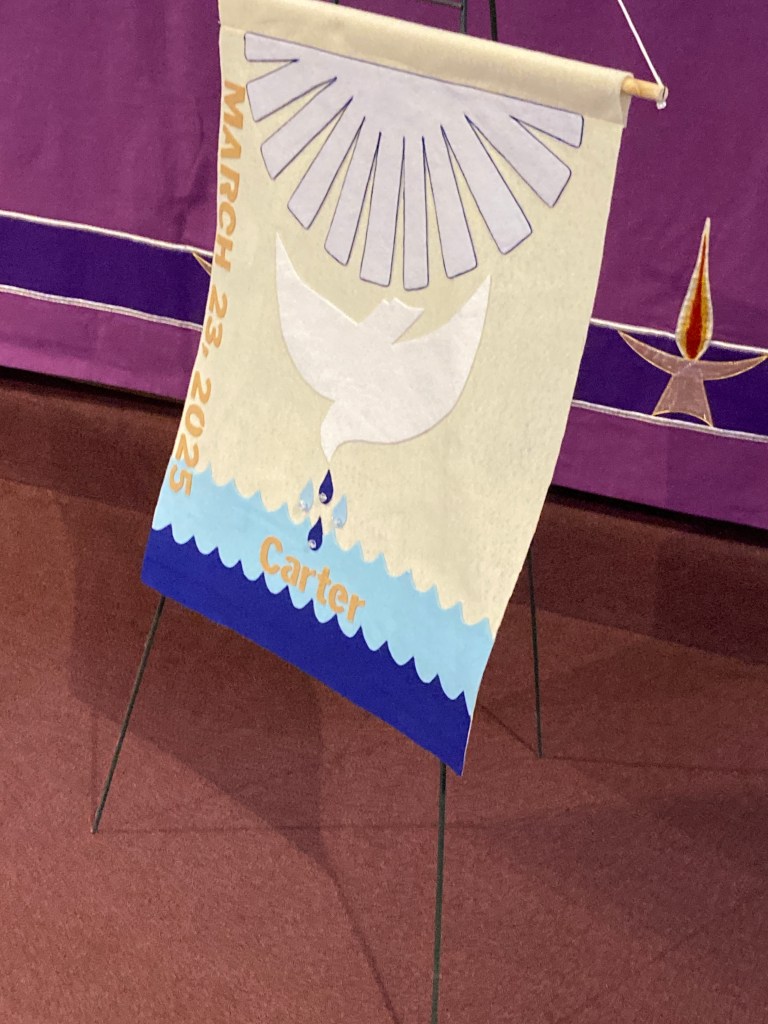
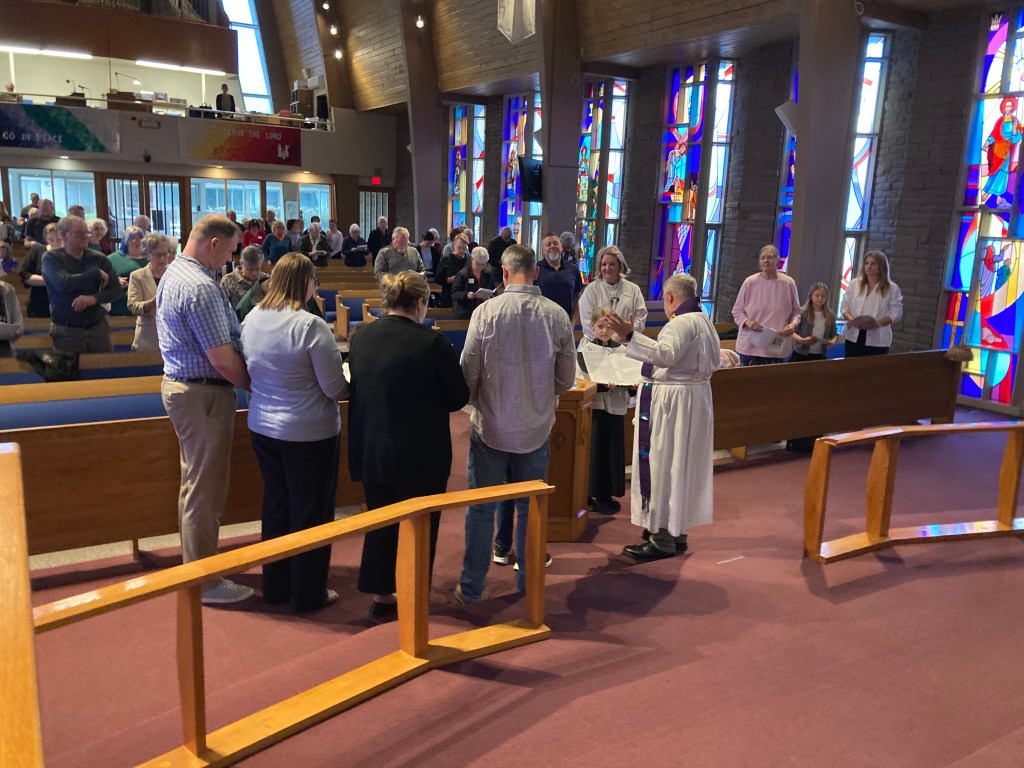
So grateful for a morning with the saints of First Lutheran in Kennewick, served by Pastor JJ Dygert. This congregation is bearing fruit through their generous welcome, their partnerships with Lutheran Community Services NW, Sent to Serve, and others, and the many AA groups they host all week. We had a baptism and I learned that First will keep the baptism banner in the sanctuary for a year-their reminder to pray for the newly baptized for the first year-lovely.

Posted in NWIM Synod, Sermons | Tagged , , , , | Leave a comment

South Central Cluster +

Tuesday: Drove to Yakima with a stop along the way for a pre-Approval conversation with one of our Word and Sacrament ministry candidates. Grateful for former Trinity, Nampa member Ruthann for hosting me.

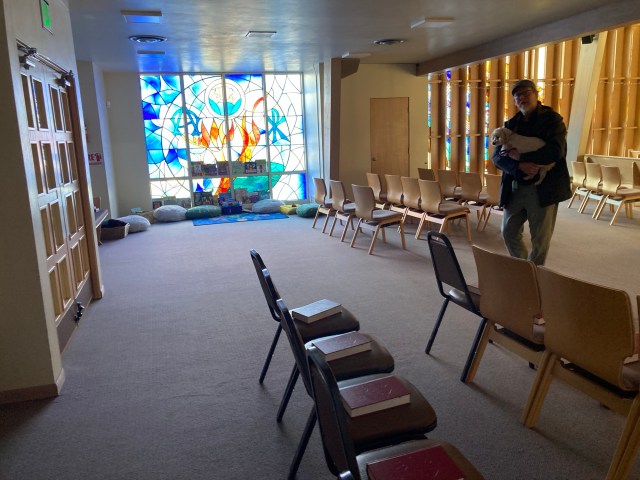
Wednesday: Noon Lent worship at Central Lutheran in Yakima (with Ruthann playing cello) followed by soup lunch and conversation with Pastor Ann Murphy. We worshiped in their smaller (lovely!) chapel.

Evening soup supper and Lent worship at Immanuel, Grandview, led by Pastor Jake Schumacher.

Thursday: Day in Wenatchee – Our fourth retired rostered leaders gathering-this one at Celebration in East Wenatchee, catching up with Celebration’s pastor, a pre-Approval conversation with one of our synod’s ministry candidates, and seeing the construction at Grace, Wenatchee with Pastor James Aalgaard.

Friday: Cross Country Skiing with Cluster Dean Pastor Dennis Hickman and his brother in White Pass.

Saturday: Day Off which ended with a St. Patrick’s Day dinner at Christ Lutheran, Yakima.

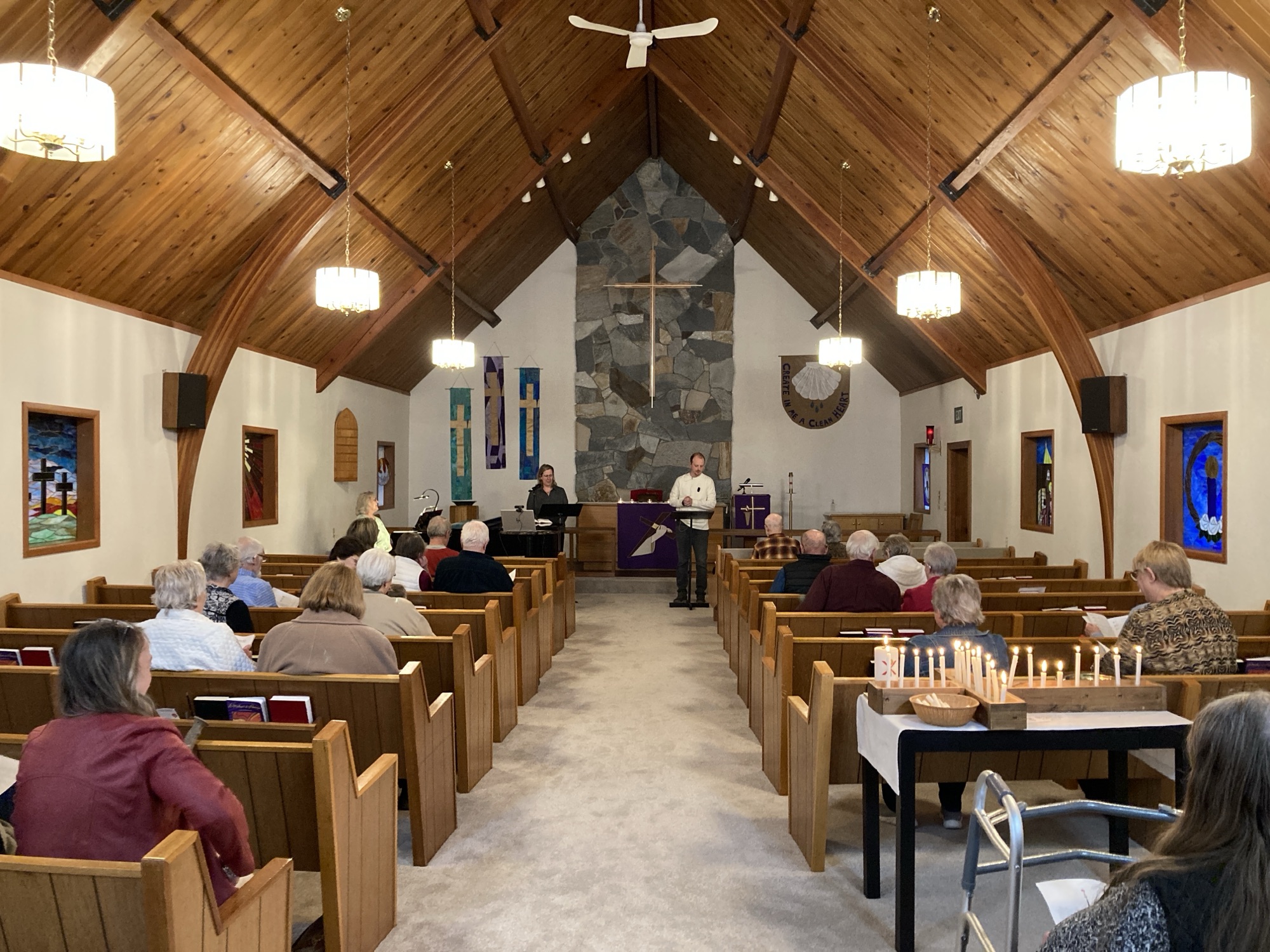
Sunday: Wonderful morning with the saints of Christ Lutheran in Yakima. This congregation on the west side of town is served by Pastor Chris Peterson (celebrating 25 years of ordination Wednesday!) and Deacon Kathy Sebree. Neighboring and neighbor love are in the DNA and I loved hearing about their ministry with and for local veterans, working alongside Camp Hope (ministry for those experiencing homelessness in Yakima), and their summer VBS.

Posted in NWIM Synod, Reflections | Leave a comment

March 9, 2025 – Immanuel, Boise

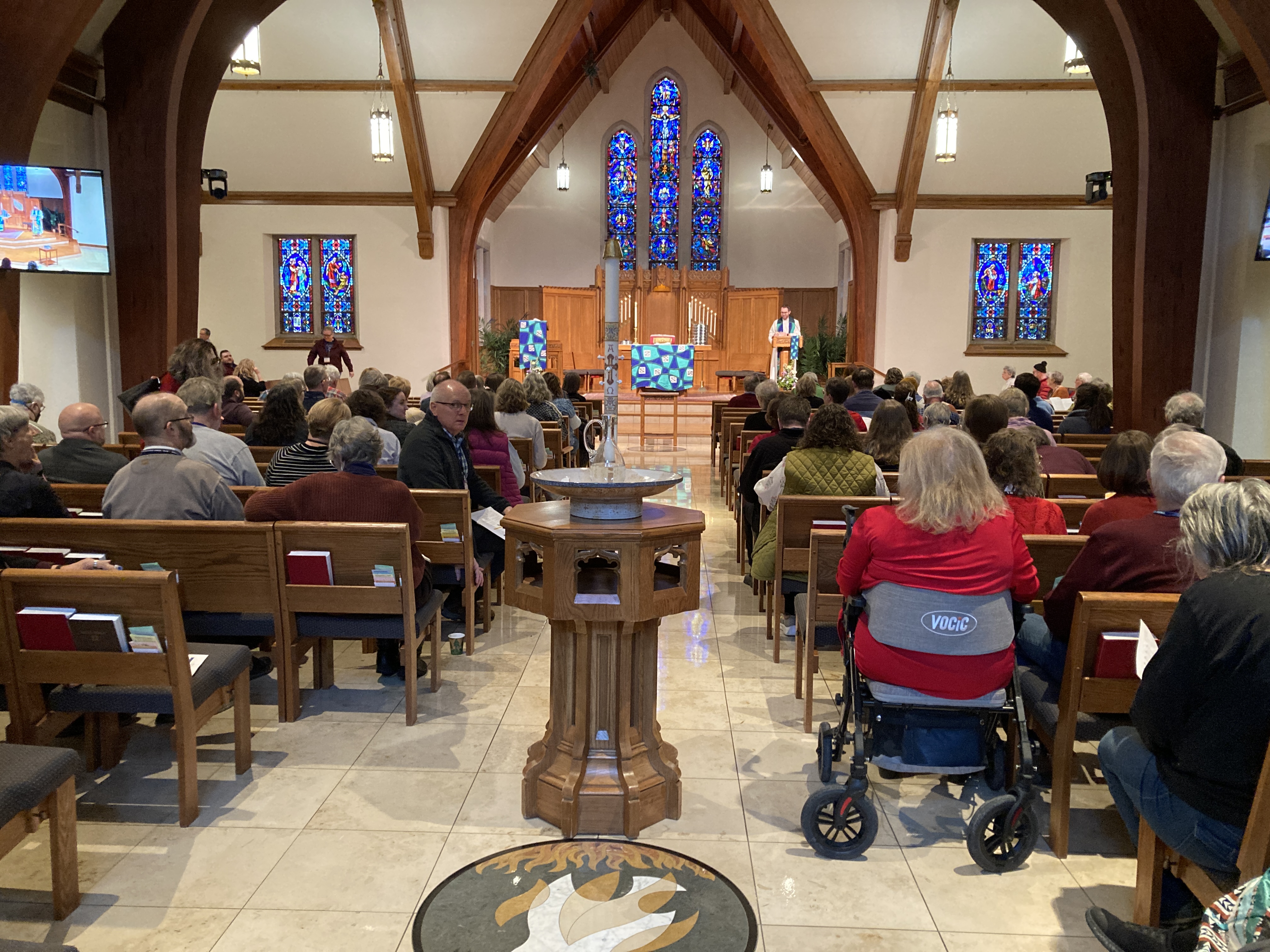
Above – 8:30 worship in the old Augustana Chapel

Immanuel Sanctuary (rearranged furniture, as people gather) 10am worship

Luke 4:1-13

Grace to you and peace from God our Father and the Lord Jesus Christ. And thank you for the invitation to be with you this First Sunday in Lent. The current practice of forty days of Lent recalls Moses’ forty-day fast on Mount Sinai, Elijah’s 40 days on the mountain, and of course Jesus’ 40 days in the wilderness after his Baptism.

Let’s go back briefly to his baptism. Then and there, God declared Jesus to be his Beloved Son, in whom God is well pleased. Jesus is marked as the Messiah, the Anointed One. The words of that address are taken up in today’s story of testing. This time they are on the lips of the adversary. Who exactly is this tester?

One scholar suggests that the diabolos in today’s scene is doing what the satan does in the Book of Job; he is carrying out his divinely ordained role by testing the durability of God’s creation. In this case, it is the Son of God who is being tested to see if he holds true. Two times the devil recalls God’s address at Jesus’ baptism. He calls it into question with the taunt, “If you are the Son of God.” 

These are not tests to do things that are desirable but not good for him (like our temptation to eat an extra piece of cake). These are tests to see whether even good things can lure Jesus away from his fidelity to God and God’s will.

The first test is to turn a stone into a loaf of bread. This would certainly ease Jesus’ hunger after 40 days of fasting. If Jesus can do that then he can also turn the many stones covering Israel’s landscape into food. He could feed the many hungry people in a land often wracked by famine. This sounds like the manna in the wilderness that fed the Israelites. 

Later Jesus will teach his disciples to pray, “give us this day our daily bread.” Bread is necessary for life. Martin Luther said bread is “Everything that nourishes our body and meets its needs.” So turning stones into bread sounds pretty good to me every time I read this passage, but this year it sounds very good!

Maybe it is serving as bishop and the size of my flock, maybe it’s 20 years as a pastor, maybe it’s the state of the world, maybe it is my gut telling me there could soon be great need in our synod, state, and country and my awareness of how much need there is in the world. 

Whatever the cause, I have never before so badly wanted Jesus to go ahead and fail this test. Jesus, just go ahead and make the bread. Feed your own hunger and everyone else’s. Or give that power to the church to do it on your behalf. I could never pass this test, so it’s a good thing I am not the one being tested. Jesus, the Messiah, the Son of God, responds, “Of course I am famished. I am fasting. There is more to life than food.” Such self-control is important in a human being, but in a messiah it is essential. Jesus’ fidelity to God is steadfast.

The second test portrays the tester in the role of “ruler of this world” who can manage the governance of the world’s kingdoms. The price is to worship or honor that authority. In return, the tester will hand it all to Jesus. Remember that most of the known world in our author Luke’s day was under the strong and oppressive control of the Roman Empire. A change in regime could only be for the world’s good, right?

And here again, as empire simply takes a different form in modern life, there is a part of me I am a little embarrassed by, that would just a soon Jesus fails this test. Wouldn’t it be better if Jesus ruled over all? He would get rid of all his enemies, who I am quite sure are also my enemies. It would be glorious for Jesus to have all the power, then we would all be safe.

Again, Jesus answers no. The price is too high. The test is about the desire for power, but the tester disguises this behind a call for Jesus to bow down. Jesus responds, “You are to worship the Lord your God.” The word Lord signals the presence of the unpronounceable divine name. The rabbis note that this name attributes mercy to God. The other name for God, Elohim (translated as God), names the justice attribute. So, Jesus brings both qualities together—justice and mercy. In other words, the justice of God is lived out in acts of mercy, not power. This is a clear rejection of our love of power. But the rejection also makes it possible for any human being (including the Messiah) to participate in the reign of God.

Let me say that again. In naming the Lord your God, Jesus brings together justice and mercy. The justice of God is lived out in acts of mercy, not power. This means all of us, all of you, can participate in the reign of God.

The final test is for Jesus to trade his calling, his destiny, his integrity for life above the law of gravity. This test offers the Messiah the chance to be absolutely free. And, as one scholar [Swanson] said, if the Messiah is free even from the law of gravity, then the Messiah is invulnerable. Which is precisely what it does not mean to be Messiah. Or a human being. Humans are vulnerable. 

I was reminded of this twice this weekend. The first time was Friday evening in Nampa when another car didn’t see or yield to me and crashed into my passenger front door while I was in a turn lane. The second time was Saturday morning, when hearing my friend’s voice on the phone suddenly released all the adrenaline and I was brought to tears, finally facing mortality. Even though no one was injured, and no airbags went off, there’s nothing like two vehicles colliding to remind us that we are in fact vulnerable.

God in Jesus takes on humanity and human vulnerability. For Jesus this leads to much more than a mere car accident. We, who know the end of the story, know that the Messiah must suffer and die. The Messiah must be subject to gravity and to the Roman power to torture and kill. Otherwise, the Messiah is not one of us at all. 

The three tests in the wilderness having concluded, we finally read, “When the devil had finished every test, he departed from him until an opportune time.” The devil came back. It happened during Jesus’ last week in Jerusalem. The devil entered Judas and set in motion the betrayal and arrest, the trial and the denial, the abandonment and the crucifixion. He spoke through a variety of voices. Religious leaders said, “Let him save himself if he is the Messiah.” A criminal asked “Are you not the Messiah? Save yourself and us.” Again, there is testing for proof, a sign, or some kind of power and action.

The devil always comes back. We will never pass the devil’s testing. And we do not look at Jesus to see how to do it. We are like the criminal on the cross. We are in captivity and cannot free ourselves, as we confess. But Jesus’ fidelity to God is steadfast, in the wilderness, throughout his ministry, on the cross. 

There are many voices in the wilderness today asking us to abandon who we have been called to be and to become something we are not. These voices lure us to give in to false promises of power, safety, and security. These voices tempt us to put our own self-interest ahead of the needs of others. These voices tempt us to trade in the cross for false glory. And, worse yet, many of these voices are doing so in the name of Jesus Christ.

You have been called by water and the word, claimed as a child of God, and united with Christ, the same Jesus Christ whose fidelity to God is sure. The service of Holy Baptism includes a three-part renunciation of “the devil and all the forces that deny God” reminiscent of Jesus’ encounter with the tester in the wilderness. You pledge our fidelity to God, knowing that your faithfulness depends on being bound to the life, death, and resurrection of Jesus Christ. 

Furthermore, that faithfulness depends on nourishment. And so, this morning, the same Jesus Christ feeds you at the table, not with stones turned into bread, but with his own broken body. You will be fed for justice and mercy in your neighborhood, your community, and this world we all inhabit. When you hear the words “given for you” and “shed for you,” hear Jesus’ fidelity not only to God but to this community of faith and to each of you. Amen.

Posted in NWIM Synod, Sermons | Tagged , , , , | 2 Comments

Grief and Gratitude

Originally published in the NWIM Synod March e-newsletter.

Psalm 13 (from Evangelical Lutheran Worship)

1How long, O Lord? Will you forget me forever?

How long will you hide your face from me?

2How long shall I have perplexity in my mind, and grief in my heart, day after day?

How long shall my enemy triumph over me?

3Look upon me and answer me, O Lord my God;

give light to my eyes, lest I sleep in death;

4lest my enemy say, “I have defeated you,”

and my foes rejoice that I have fallen.

5But I trust in your unfailing love;

my heart is joyful because of your saving help.

6I will sing to the Lord,

who has dealt with me richly. 

A Luther Heights Bible Camp alumni group has asked several of us to join them online for devotions during Lent, under the theme Grief and Gratitude. This was a good assignment for me because I have been stuck in grief. Right now I grieve for those in Israel/Palestine, Ukraine, I grieve with refugees who thought their family members would soon be joining them and then plans suddenly changed, for immigrants worried about being deported, for transgender individuals dehumanized by the very legislators who are supposed to represent them, for people living with disabilities who wonder if decades of progress towards protections will be dismantled, a public education system that helped shaped me and which citizens and politicians are determinedly chipping away at. I also grieve with friends who wonder when, not if, their government jobs will be cut after being civil servants for decades, friends living with new diagnoses, and congregations worried about their futures. 

The psalmist’s cry becomes my own, “How long, O Lord?” The grief somehow opens my memories, and I remember every other death, injustice, and conflict. This last week I was with the Conference of Bishops in Chicago, a busy week to be sure. I got in a few walks and found myself brought to tears, not by our work, but by the grief and heaviness in my body and soul. The tears were at once exhausting and cathartic. It is healthy to acknowledge our grief, whether it manifests as sadness, anger, or bewilderment. We also need rituals or totems or conversations to help us move through the grief. I am grateful for the funeral liturgy, for grief support groups, for conversations, and for certain psalms that remind me that people have been naming their grief with language for centuries. 

It was good to be with colleagues this week, and there were a few conversations with these dear ones that helped me laugh and connect deeply. I was reminding that I am not alone. Praying the prayers of worship with the assembly helps me speak gratitude to God and be mindful of so much goodness. Walking around along the Boise greenbelt or on the Deer Flat National Wildlife Refuge gets me literally grounded and I give thanks for the natural world. Conversations around the synod, on the steps of the Idaho capital, in synod meetings, with other ELCA synod bishops, with my ecumenical collogues remind me that so many people are working for liberation and wholeness for all. My deepest gratitude comes from the well of faith, sometimes my own and sometimes the faith of another human. Memory is powerful–memories of and stories about God who is faithful, who keeps showing up with grace and mercy for the entire world. The psalmist’s words become my own again, “I trust in your unfailing love…I will sing to the Lord, who has dealt with me richly.”

The Season of Lent begins this week with Ash Wednesday. You might hear this invitation, “We are created to experience joy in communion with God, to love one another, and to live in harmony with creation.” Both the Revised Common and Narrative Lectionaries this Lent will have us reading through Luke’s gospel on Sunday mornings. One writer explained that these Lukan stories can be seen as “celebrating the persistence of God’s mercy despite stubborn obstacles.” Lent is a season of repentance, and with grief and sin and brokenness laid bare, this is a perfect time for individual and communal repentance. At the same time, I hope and pray this Lent that each of you will also witness and experience the persistence of God’s mercy and give thanks for such a gift.

Bishop Meggan Manlove

Posted in NWIM Synod, Reflections | Tagged , , , , | Leave a comment

Kindled in the Wild – Christian Century Article

February 20, 2025 online (coming soon in the April print edition)

My teenage summers were spent at camp, exploring the Boundary Waters Canoe Area Wilderness in northern Minnesota and Quetico Provincial Park in Ontario. I remember the moment I realized I was the only person of faith among a group of 16-year-old girls and our counselor. I had no judgment, only gratitude for all the people and experiences who had fostered that faith deep in me. I was able to make theological connections and continue practicing my faith out there in the north woods because my parents and myriad other saints had handed down the faith to me for years.

I’ve wondered about the connections between church, camp, and home for most of my life. Youth ministry scholars tend to dismiss camp as mere fun and games and critique it for being theologically shallow, as do many of my pastoral colleagues. But what if we envisioned camp as a space to train young people in the language of faith and to spark faith conversations, along with other practices, in the home? This is exactly what the Rhythms of Faith Project seeks to do: to use camp as a catalyst for family faith formation.

Read the Article

Posted in Uncategorized | Leave a comment

Spring COB

I spent most of this past week in Chicago for the spring Conference of Bishops. Per usual, we learned, heard reports, had conversation, worshiped, prayed, made some decisions, and talked some more. The executive committee of the COB intentionally planned a time for topic conversations, 2-hour working groups. This is in the same spirit of what Lisa Therrell, NWIM Synod Vice President, and I have tried to do with our large synod council–give people time for longer discussions around topics in smaller groups. At each COB, a different region takes a turn planning and leading worship. This time it was Region 6’s turn (lower Michigan, Ohio, Indiana-Kentucky). I love how we get to know bishops better through their worship planning, leadership, and preaching and that was certainly true this time. I always love singing with these colleagues and I love being introduced to hymns in All Creation Sings that I have not yet learned. It is always good to lay down some of our burdens to one another and cheer each other on. I will be going to Churchwide Assembly this summer with others from the NWIM Synod and appreciated the orientation to registration and what the week in Phoenix will look like, plus getting technical tips from more seasoned bishops. We will be electing a new Presiding Bishop and ELCA Secretary at that Assembly. Between now and then there will be many bishops elections at synod assemblies.

Outgoing bishops, minus Tim Smith

We said goodbye to eleven bishops, including Bishop Eaton, at this COB meeting. I will miss all of them. I read Bishop Rinehart’s blog long before I became a bishop. I followed Bishop Ortiz’ writings and ministry as well. Bishop Kusserow, Rinehart, and Eaton are all finishing 18 years in the COB–lots of history. Bishop Bartholemew was the chair of the COB when I started.

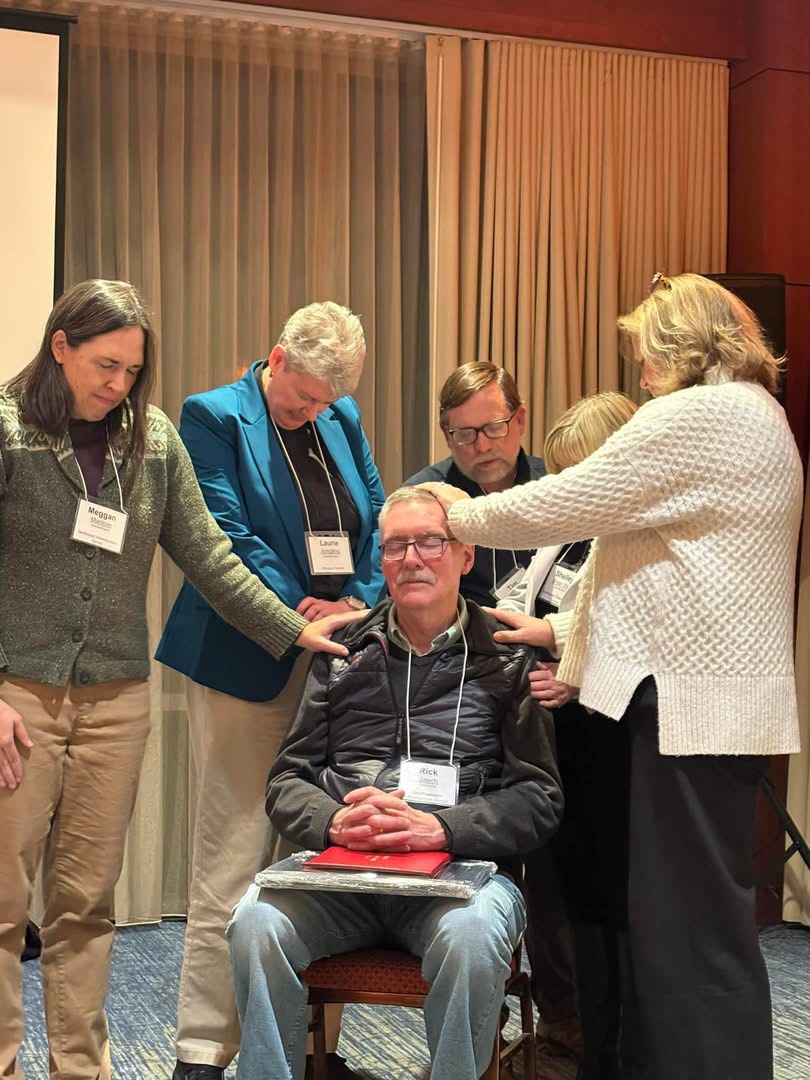
Bp Rick Jaech, Southwestern WA, has served for 12 years and has been my colleague for two years in Region 1. He graciously stepped in and presided at my installation when Bishop Eaton could not be present because of a death in the family. I’m grateful for every phone call he has taken.

Region 1 Bishops Praying for Bp Jaech

Bp Lorna Halaas is the only bishop I called while deciding whether or not to accept a nomination. I admired how she was leading my first-call synod of Western Iowa and the Manloves and Halaases have a history, though I didn’t know Lorna well before calling her. I remember her telling me what an honor it is to visit the congregations, and that has been so true for me too. I also called her shortly after I was elected, and she gave me a couple pieces of excellent practical advice.

It is an honor to be part of the COB; it’s always good to get home.

Posted in NWIM Synod | Tagged , , , , | Leave a comment

Visit to Greater Milwaukee Synod – Feb. 2025

Did you know that ELCA synods have domestic companion synod partners?

Shortly after I started this call as bishop, Bishop Paul Erickson of the Greater Milwaukee Synod invited me for a visit. It took over a year, but this February I finally made the trip to the our domestic companion synod. Every year, Greater Milwaukee Synod has a day of worship, conference (cluster) meetings, and workshops. They call it Together in Mission and it moves around to various churches. This year we were at St. Matthew’s in Wauwatosa, WI. I preached at the opening worship and taught an afternoon workshop.

Travel was a bit eventful on the way to Milwaukee, beginning with a snow storm in Boise Thursday. I was spending much of Thursday in Boise and figured I might get an airport hotel room for the early flight Friday, so I packed Thursday morning but forgot a few things, including my collar. I woke up early Friday for my flight to be delayed. I eventually got switched from Delta to United’s nonstop flight to Chicago O’Hare. From there I took the bus up to Miwaukee’s airport. That bus ride was really slow because Wisconsin was also experiencing a snow storm.

Gray outside but buzzing and full of energy and hope inside.

St. Matthew’s has a lovely sanctuary and a great space for an event like this one. It was an honor to preach to all of the leaders on the scripture passage, which was also the gospel for my installation as bishop. We sang the hymn DEM Pastor Liv Larson Andrews recently penned on the Beatitudes for the Byberg Preaching Conference and which she is still workshopping.

I was able to catch up with the current director, Tracy Polzin, of Camp Lutherdale. I met a staff member from Wisconsin Council of Churches and thanked them for all of their guidance during the pandemic and their current work and ministry. I met the nephew, Pastor Josh Graber, of Pastor Andrew Hinderlie (serving in the NWIM Synod at Trinity, Bonners Ferry). Josh served for about a year at Holden Village pre-pandemic.

I led a workshop on story-linking, linking our faith stories with the Biblical stories. This was a consolidation of the longer series I led for the Women’s Retreat at Flathead Lutheran Bible Camp in 2023, at Holden Village’s Fall Sojourn in 2024,and at my former congregation in February 2020.

Synod Office

This morning, Sunday, Bishop Erickson and I went to the Spanish worship service at Ascension Lutheran Church (also home of the synod offices) and then stayed afterwards for lunch and a session led by Pastor Aida Muniz and an immigration lawyer on people knowing their legal rights in this moment and being prepared for ICE agents.

Posted in NWIM Synod | Leave a comment

Greater Milwaukee Synod – Sermon – Feb. 15

Milwaukee Synod (Domestic Companion Synod) – Feb. 15, 2025

Together in Mission 2025 event for lay and rostered leaders

Luke 6:17-26

Thanks to Bishop Erickson for the invitation to be with you all. This was a synod I thought I might be called to long ago when I included Region 5 on my first-call paperwork. Greater Milwaukee Synod—lots of Lutherans, a mix of congregations, bordering one of the Great Lakes, proximity to robust outdoor ministries (very important to me). I am a bit envious that you can all gather together in one day. In the Northwest Intermountain Synod it takes about 12 hours, when the passes are clear, to drive from Jackson, WY  to Chelan, WA. I love that I get to be here with you today to worship and learn and be church.

I will be honest and say that I never know if these blessings and woes in Luke Chapter 6 are good news for me or not so good news? When I consider our neighbors in our companion synods in Tanzania, the neighbors Bishop Erickson and I met in Puerto Rico, and my physical neighbors on the Pine Ridge Indian Reservation (while growing up in Western SD), Jesus’ woes hit hard.

On the other hand, the wealth gap in this country is wider now than it ever has been in my lifetime. In the first quarter of 2024, 10% of workers in the United States owned 67% of its total wealth. In contrast, the lowest 50% of workers owned 2.5% of the wealth. Income inequality contributes significantly to the rapidly growing wealth inequality in the U.S. and, by some measures, is the largest since before the Great Depression. [University of Florida-Nov. 19, 2024].

How many of you know young people working two jobs to put bread on the table and with little hope of home ownership? How many of you have changed careers because of changing markets, your plans for retirement suddenly delayed? How many of you know people who must suddenly choose between a doctor’s appointment, a car repair, or a mortgage payment? In these ways, the power of empire is with us as starkly as it was for the peasants under the thumb of the Roman Empire who Jesus spoke to thousands of years ago. 

What I like about the Sermon on the Plain, is that it is very clear what God’s vision is. And, when this vision is realized fully, it truly will be liberating for everyone, hard as that may be to believe. It’s Jesus’ Mother Mary’s Song, but named by Jesus and aligned with his own actions.

Jesus wasn’t just describing the vision – he was making it tangible. Just before these familiar words, Luke describes how multitudes are gathered from near and far, representing many people. They recognized Jesus’ power: “All in the crowd were trying to touch him.” And, the author tells us, Jesus healed all of them. Only then does Jesus speak.

With his words, Jesus is redefining, both now and for the future, the way the world works. He is replacing common representations of the world with new ones. And his words are consistent with his actions of healing.

We might need to be reminded that Jesus’ claims clearly do not represent conventional wisdom. Is not wealth a sign of God’s blessing? How then can the poor be declared fortunate, and the wealthy be warned of God’s curse?

Jesus’ vision of the new world today is about all the final things. And yet, Jesus’ vision it is not relegated to the future. The end has already arrived, and the values Jesus asserts reflect this new era. In other words, Jesus’ teaching is meant to jolt his audience, including you and me, into new perceptions of God’s liberating goal. 

Jesus’ beatitudes and woes are words of hope and comfort to people like those who have already been the recipients of Jesus’ ministry: lepers, sinners, the demonized, tax collectors, women. Those people may be unacceptable in the world they live in, but they are embraced and restored in the new world Jesus proclaims and embodies. And with Jesus’ embrace and restoration, the world itself is transformed.    

Let me be clear, there is no idealization of poverty in our passage. Instead, Jesus describes the new world, the reign of God, as a place where poverty is quite simply absent. The new world and the values it embodies will catch unawares those who measure their lives by the old order. Those rooted in the old order will find their sense of well-being and self-assurance is grounded in false values. We see the results of these false values everywhere.

The “wealth gap,” “food deserts,” the “education gap,” the “health gap,” and other gaps and failures around the globe mark the two sides of the blessings and woes. It is the gap we are called to address by this passage for God’s sake and our own. It is what children of God do and what they repent of not having done. You who follow Jesus do so with confidence that God gives new opportunities to live with generosity and attention.

There remain plenty of roadblocks to our moving forward, as many today as in Jesus’ day. We idolize money. We spiritualize the poor and tell one another that something good coming for the poor….in heaven). We convince ourselves that someone else is fixing our economic system or helping those with less. Or we put our heads in the sand and believe that economic disparity is happening somewhere else, not in our community.

The Sermon on the Plain are promises to those who are suffering in this world that God still sees them, loves them, and is intent on their thriving. Jesus’ words are also warning calls to his hearers. They are called to live with attention and generosity toward their neighbors, even as God is attentive and generous. Jesus has already showed this with his life and ministry: rebuking deomons, healing the sick, cleansing the leper, healing the paralytic. Wholeness of each person and of the cosmos is paramount. 

Because we are not poor, the first beatitude either mystifies us or leaves us feeling guilt rather than joy. Our pride and our ability to provide for ourselves have blocked the channels of blessing. But we don’t have to stay there. After all, God has invited us into that work. Some days that is exhausting and overwhelming and other days it can only be described as, yes, a blessing, a real deep embodied blessing, not a hashtag blessed.

It seems that you all have caught a glimpse of Jesus’ vision. Why else give up a Saturday in February to sit in on workshops and conference gatherings? My assumption is that somewhere along the way you have yourselves experienced the new life that Jesus’ offers: forgiveness and mercy, reconciliation, an abundant and unexpected welcome, nourishment, a second chance. Whatever it was, you could not help but respond.

And so, 

Blessed are the poor, and blessed are those of you who will learn how to be better Church Treasurers, Administrators, Church Record Keepers, and Constitution gurus. Ministry is right in the word Administration and this work is crucial to bringing in the reign and economy of God.

Blessed are you who are hungry now, and blessed are those who are going to keep God’s people safe, those learning about walking alongside people with substance abuse, addiction, and related mental health issues.

Blessed are you who weep now, and blessed are you who will explore the art and practice of forgiveness, especially as it pertains to youth, those of you learning Bowen Family Systems theory as it relates to congregations, and those of you considering resiliency. 

Blessed are you when people hate you and when they exclude you, and blessed are those who are going to learn more about being allies to immigrants and those who are diving into BIPOC and LGBTQ Advocacty and those who are connecting Worship (at the heart of who we are) with diversity!

And thank you for the blessing of being church together in this time and place.  

Posted in NWIM Synod, Sermons | 1 Comment

Feb. 9, Hope, Eagle

Luke 5:1-11, Isaiah 6:1-8

Nets breaking and boats sinking; the mention of these two images is enough for me to recall today’s gospel story–the calling of the first disciples in Luke’s gospel. The crowd of spectators and the men scrambling to haul in the fish awaken the senses. Jesus is well into his ministry in Galilee. Though not welcomed in his own home, Jesus has healed people suffering from demons and diseases and delivered a sermon in the synagogue.
It is noteworthy that Jesus recruits his first disciples in the midst of their workplace –the Sea of Galilee. The call to follow Jesus might occur for some people in a place of worship, but clearly that is not a requirement. The men are washing their nets after a night of unsuccessful fishing. There is nothing outstanding about the setting until Jesus appears. He has been healing and teaching and at the center of his ministry is his Word, and the calling of the disciples continues this theme. He teaches the crowd from the boat and then tells Peter to put out his nets into the deep water. Peter trusts Jesus’ words, albeit a little begrudgingly, and lets down the nets, against all reason. 

Reason probably told Peter, an experienced fisherman, that Jesus’ instructions were foolish. The best place and time to catch fish is near the shore in the morning or evening, yet Jesus commands Peter to cast the nets into the deep waters at midday and Peter obeys. Peter knew enough about Jesus’ ministry to be open to possibilities. And Jesus provides an abundance of fish after a night of empty nets. Abundance and new life accompany the Word in Jesus’ work in Galilee. Scrambling in the boat, the first disciples get a glimpse of Jesus’ power. He is obviously more than just a savvy fisherman.

There is a famous saying, God does not call the equipped. God equips the called. I have heard this week’s call stories compared to a conversation between Frodo and Gandolf in Lord of the Rings. Frodo says, “I wish the ring had never come to me. I wish none of this had happened.” Gandolf replies, “So do all who live to see such times, but it’s not for them to decide. All we have to decide is what to do with the time that is given to us.” 

What further strikes me this week about both of these call stories is the fear and awe. I don’t know if we expect God to show up in our lives that way anymore. Maybe we are okay with some awe. It’s part of why those of us in Southwest Idaho make our way to the Sawtooths or Long Valley up by McCall or Shoshone Falls or the Oregon Coast. We want to experience the awesome works of the creator. 

Peter’s response is more one of terror than awe, however. He prostrates himself before Jesus, begging him to depart, for he (Peter) is a sinful man. He calls Jesus “Lord,” the term for the unpronounceable name of God. The entire episode reminds us of Isaiah’s calling, where he declares: “Woe is me! I am lost, for I am a man of unclean lips, and live among a people of unclean lips; yet my eyes have seen the King, the Lord of hosts!” 

Peter is not confessing to any particular sin, but rather to his own essential sinfulness. He also confesses, for the first time, Jesus as Lord. As one theologian reminds us, “we have repeatedly seen in Luke’s Gospel those who are fearful are called to joy and newness of life: ‘Do not be afraid; from now on you will be catching people.’” 

I have to say that by Tuesday morning of this last week I could feel my body fill up with fear and feelings of inadequacy and just a little terror, not the terror that my life was in danger, but the terror of the holy. 

At the end of January, I stayed for a few days in Kennewick, WA. I was coming from a preaching conference in Seaside, OR and presided at an installation of our new pastor in Pasco, WA on Friday. Thursday evening, I went with another pastor at a Pasco Middle School for a community event put on by the League of United Latin American Citizens. Several immigration lawyers spoke and answered questions. 

The point when they told parents how to prepare their kids for their, the parents, possible deportation was the most sobering. Earlier that day I had tuned into a Webinar hosted by Global Refuge (formerly Lutheran Immigration and Refugee Service) on how churches could help refugees already in the United States.

If you don’t know, Lutherans then had a bit of spotlight in the news last weekend. On Saturday, February 1, 2025, misinformation spread on X (formerly Twitter), falsely accusing Lutheran organizations of financial misconduct. A post from “General Mike Flynn” implied that Lutheran groups like Global Refuge and Lutheran Services in America receive excessive federal funding without transparency. Elon Musk then amplified the claim, suggesting that the Department of Government Efficiency (DOGE), a new government office under the current administration, was shutting down “illegal payments.” 

These allegations are false and dangerous. Lutheran organizations have faithfully served refugees, immigrants, and vulnerable communities for 85 years, using grant funding responsibly and transparently. These grants support legally admitted refugees and provide essential services, continuing a long-standing commitment to care for the most vulnerable. The organizations are not laundering money.

All of it feels quite clear to me now, a full week later, but I had not slept more than two hours Sunday and Monday nights. I kept reading news and commentary on my phone, which I know better than to do, and then I would lay on my back and start writing to our synod in my head. My head was trying to problem solve, but my heart was breaking, for refugees and immigrants and everyone who receives services from various agencies.

I tried to pray for wisdom earlier in the week, but really all I could muster on Tuesday morning was, “God, help me get through today.” And then I had this clarity that one thing had prepared me for this time. It was not my ordination. It was not my installation to the office of bishop. 

All that prepared me to follow Jesus in February 2025 was my baptism. The words I have said and hear so many times flooded back, “In baptism our gracious heavenly Father frees us from sin and death by joining us to the death and resurrection of our Lord Jesus Christ. We are born children of a fallen humanity; by water and the Holy Spirit we are reborn children of God and made members of the church, the body of Christ. Living with Christ and in the communion of saints, we grow in faith, love, and obedience to the will of God.” 

Bishop, pastor, daughter, friend, board member. No name is more important than the one given to me so many years ago, “Meggan, child of God, you have been sealed by the Holy Spirit and marked with the cross of Christ forever.”

The call is clear. In this state, country, and world, there are so many things trying to be the gospel: the gospel of purity, the gospel of prosperity, the gospel of Christian nationalism. They are stoked with fear and terror, but they are not the gospel we believe and confess. The gospel we trust is one so full of love and grace and mercy that it overwhelms us, maybe even terrifies us because it is so powerful, but it never cripples us. In the end, it sets us free.

A favorite theologian [Wengert] put it this way, “Now, Lutherans are an odd group among Christians. We hold that our relation to God is defined by grace, through faith, on account of Christ alone. That is, we don’t have to do good works to get into or stay in a right relation with God. As a result, we Lutherans have all this time on our hands that other religious folk may not. So, we help our neighbor so that we don’t get bored–or, rather, so that spontaneously, out of the joy and thanksgiving for God’s mercy toward us we turn that love toward others.” Amen!

Posted in Sermons | Tagged , , , , | Leave a comment