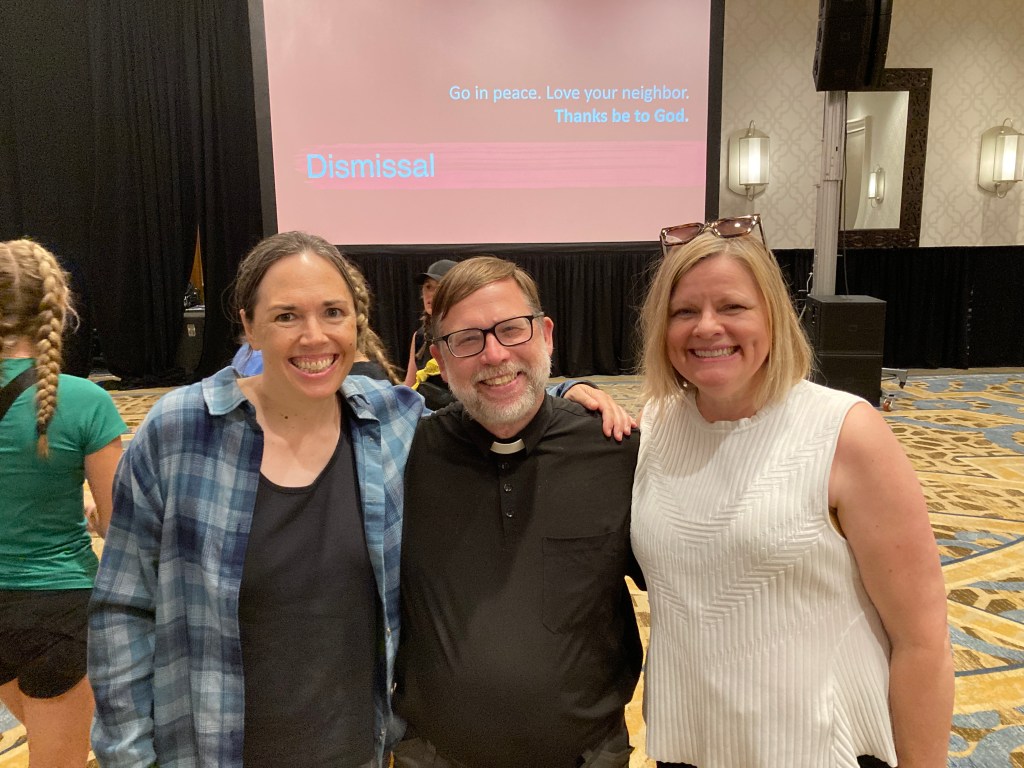
Fall Sojourn

Last Saturday I flew from Boise through Seattle to Wenatchee. A retired pastor drove me from the airport to the bus station/train station where I took the FREE Link bus to Chelan. Roberta, host at the Holden Bed and Breakfast, picked me up and drove me to the B & B. I know Roberta from the Lutheran Outdoor Ministry network and it was fun to catch up. It was also great to watch her in action as an incredible host. The B & B was full Saturday night with people going to Holden for the first time and people who visit Holden often. Some of the Minnesotans had worked at Camp St. Croix in Hudson, WI (YMCA Camp) after my dad had been the director.

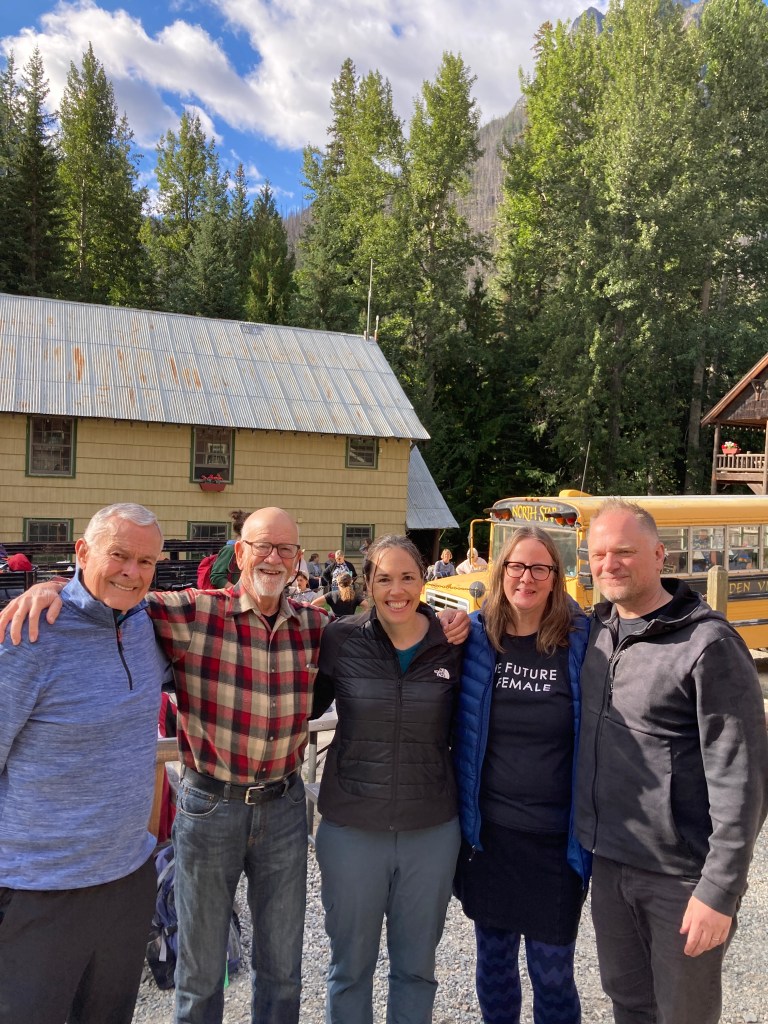
Sunday we all took the the boat up to Lucerne where we got on buses taking us to Holden Village. There were maybe 40 people registered for the Fall Sojourn. Pastors and deacons from the North Central Washington Cluster came up Monday-Wednesday (some retired leaders came up Sunday or stayed for the week) for their annual retreat. I preached at evening eucharist Sunday evening.

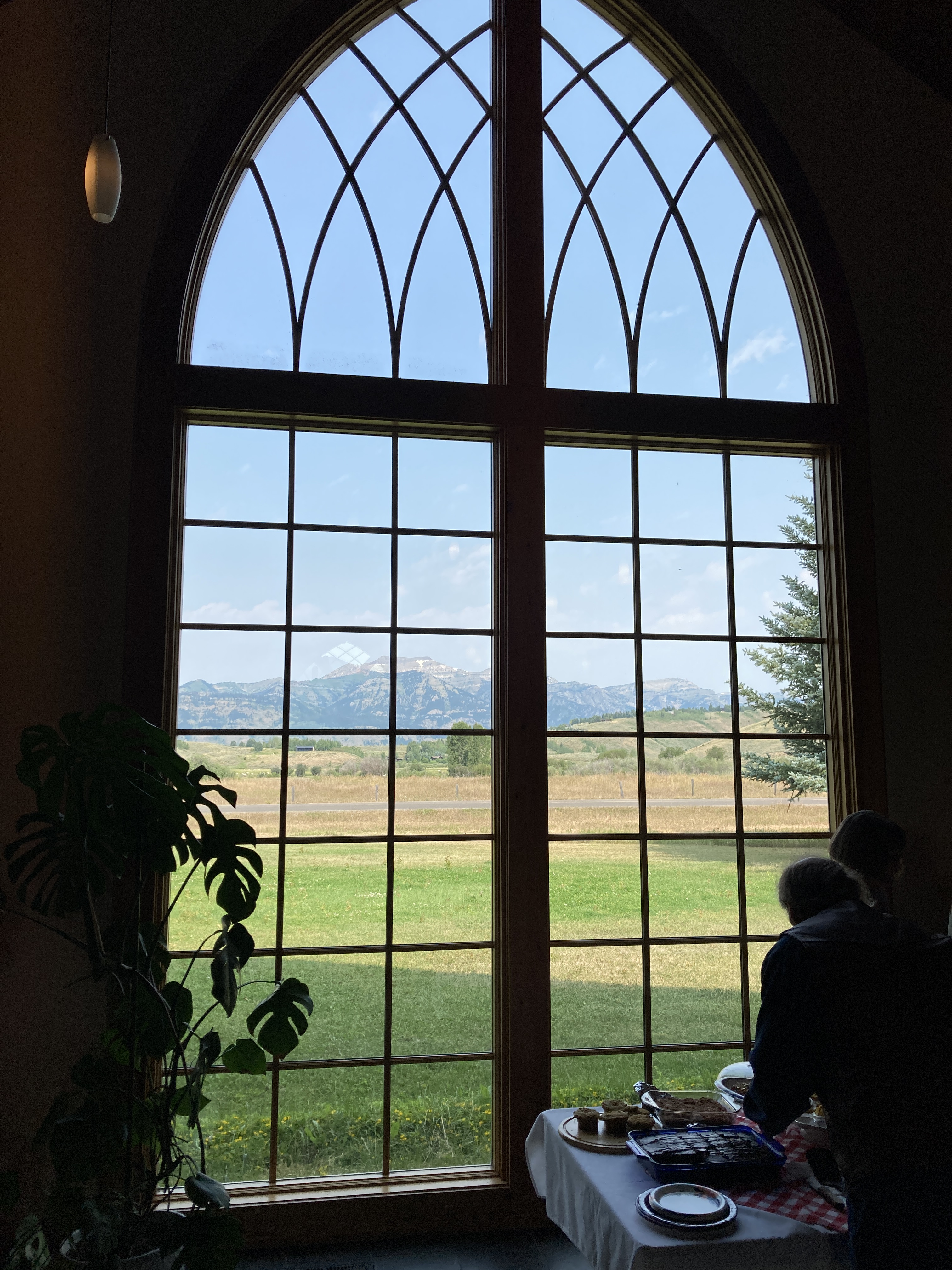
Village Center

Monday through Thursday I led sessions mid-morning on story-linking. Retired Valpo professors Fred Niedner and Mark Schwahn were also on the teaching faculty–quite amazing to be on the team with them. And Jonathan Rundman was our musician for the week! It was great to have conversations with Jonathan and his wife Dawn, who works for Augsburg Fortress and is an expert in early childhood development. A highlight of the week for me was learning songs with Jonathan and the volunteer choir.

Faculty Team

I got some hiking in though my loyalty to the sessions kept me from getting out to Heart or Holden Lakes. It was wonderful to have time with the pastors and deacons from the synod up at Holden for the retreat or the entire Sojourn Week.

Posted in Uncategorized | Leave a comment

Sept. 15, 2024 – Eucharist at Holden

John 16:16-22

Grace to you and peace from God our Father and the Lord Jesus Christ. Amen.

I am a woman with no experience with childbirth. I have had the humbling experience of being in the room shortly after babies were born and I have grieved with those whose infants died. I have seen ranch animals born. But my most honest way into any metaphor about new life comes from the forests and river valleys I have known. 

The fire currently burning near Stanley, Idaho brought connections with two of my high school classmates. Amy is a fire fighter who lives in the Black Hills but was flown out to be on the crew. She posted drone photos on Facebook when she got home. Anya works for Landsat and posted satellite photos on social media of the forest on fire. These connections reminded me of how deeply shaped we and our classmates were by the Galena Fire of 1988, one of the same years Yellowstone Park burned. 

It was only around 17,000 acres and the fire didn’t burn for long, but it happened in an area of beloved Custer State Park that could easily be seen from the highway. More importantly, we were just kids. We witnessed death to a forest. More importantly, throughout our high school years, we watched the forest come back to life. It was amazing to my teenage and later 20-something self. 

During my junior year at Concordia College in Moorhead, Minnesota, the Red River flooded, supposedly a 100-year flood, repeated just a few years later. I learned all about the history of the Red River Valley farmland, that periodic floods like this that cause havoc and death, were part of why that valley is so fertile. Whenever our ancient scriptures speak of birth pangs or childbirth, I am grateful for the natural world being my teacher about sorrow followed by joy.

In preparation for our time together, Dr. Schwehn and I had a Zoom call. We talked about our sessions but also about Holden Village, its long history including the tumultuous recent chapters. People who talk about this place and this ministry sometimes remark that after the trilogy of remediation, fire, and global pandemic, it’s amazing that we are gathered here tonight. 

As a community I assume every metaphor for new life from sacred texts, sacred songs, and the natural world has been spoken aloud and leaned on in this space. It is, turning to John 16, the birthing labor that seems to never end. You were ready for new life after remediation. You were ready after the fire. You were ready after the pandemic. How long can one labor last? When will sorrow turn into joy, Jesus?

A favorite Johannine scholar says that particularly relevant when reading this passage are two texts from Isaiah. Isaiah 26 uses the childbirth metaphor to describe the experience of God’s people as they await God’s deliverance. In Isaiah 66, the childbirth metaphor is used to envision the restoration of Jerusalem. Key to both is that they are communal, a community moving from suffering to renewed joy. 

I find such biblical metaphors helpful today when talking with many congregations and ministries about what God is doing, about how the Holy Spirit is at work. The metaphors provide reassurance that the church as the Body of Christ has experienced suffering before and God has brought new life and rebirth out of death, just as new life comes to a forest devasted by fire or a prairie that suffered flood waters.

The metaphors are helpful even, or perhaps especially, during what the church now calls holy closures. In the spring I was with a congregation having its final worship in its building, before it was sold. I will join another congregation for a similar final worship service in November. Those ministries, to varying degrees, have experienced suffering in their lifespans and at the end. Time will tell when joy will come to those communities, but we trust God’s faithfulness.  

Bearing the suffering, crying out as a woman in labor, watching beloved landscapes transformed, can be excruciating. This is why I appreciate reading the metaphor of childbirth with a nod to the ancient Israelite communities. Suffering can be a solitary act but we know something as the church about bearing suffering together. When my dad died in December 2020, it was the Caring Bridge Community that buoyed me and reminded me I was surrounded by the communion of saints. The community of writers and readers reminded me the Holy Spirit was with us.

Outdoor ministry sites like Holden make space for community. They also leave space for suffering and waiting: long walks in the natural world, participating in embodied music and art making, long bible studies with time to listen. All of these are needed more than ever; not just for mental health but for equipping us with patience and the ability to wait—wait for the Holy Spirit to speak and move, and then for us to be attentive enough to notice when joy is breaking in.

Making space and waiting for the Spirit—these are still counterintuitive. Because my natural temptation, and maybe yours, is to trust only my actions to get the thing done, to bring the joy, rather trusting the triune God I claim to worship. 

As in the Isaiah passages, the woman stands as a symbol for the community, suffering through tribulation in order to receive God’s awaited salvation and new life. Again, to be a passive recipient-oh, how challenging it can be to wait and receive, as those first disciples did.

For those of us reading this scripture so many years later, we know how the story ends. You know that upon the occasion of the Jesus’ resurrection, the disciples’ very real pain arising from his death turned to joy. Mary’s weeping dissolves into joy when she encounters the risen Jesus at the empty tomb. The disciples will see Jesus not crucified and dead, but living and by implication victorious. 

And all this joy is not merely joy that follows relief from great pain. It is also the joy that belongs to the era of salvation or healing, pictured now as the rebirth of God’s people. The text tonight points you to Jesus, who is the savior, not a mere example for your action. He is speaking about his own death and resurrection. 

Drawing upon an image from Christianity in the Nordic lands, Sam Giere writes, “This trustworthiness looks like a cross whose roots and branches envelop the whole of the cosmos, upon which hang all the sins of the world, upon which Christ took on these sins and our death, gifting the cosmos with His righteousness, freedom, and life. The cross of Christ is the tree of life. Trusting in Jesus invites us to see the world in this way—enveloped by this life-giving tree.”  

We live in the already but not yet. The tree of life has already defeated death and ushered in an age of joy. The life of faith is living this daily reality. Joy comes after sorrow. Birth comes after anguishing labor. Green shoots come out of charred hillsides. Grass grows out of muddy prairies. New life, healing, and mercy will be received by you in simple gifts of bread and wine. As a community, we will pray come Lord Jesus, knowing God is already here among us. Amen.

Posted in NWIM Synod, Sermons | Tagged , , , , | Leave a comment

Spokane area & Kootenai County

I arrived in Spokane Tuesday and attended the Lutheran Community Services Pastors Luncheon where we learned about all the things LCSNW is doing across Washington, Oregon, and Idaho, but especially Spokane.

Wednesday and Thursday were great staff days, and included time with Montana Synod Staff member Colter McCarty, doing part of his deacon internship with our synod, and Presbyterian Drew Peterson who heads up the Spokane Presbytery’s Land Stewardship Development initiative.

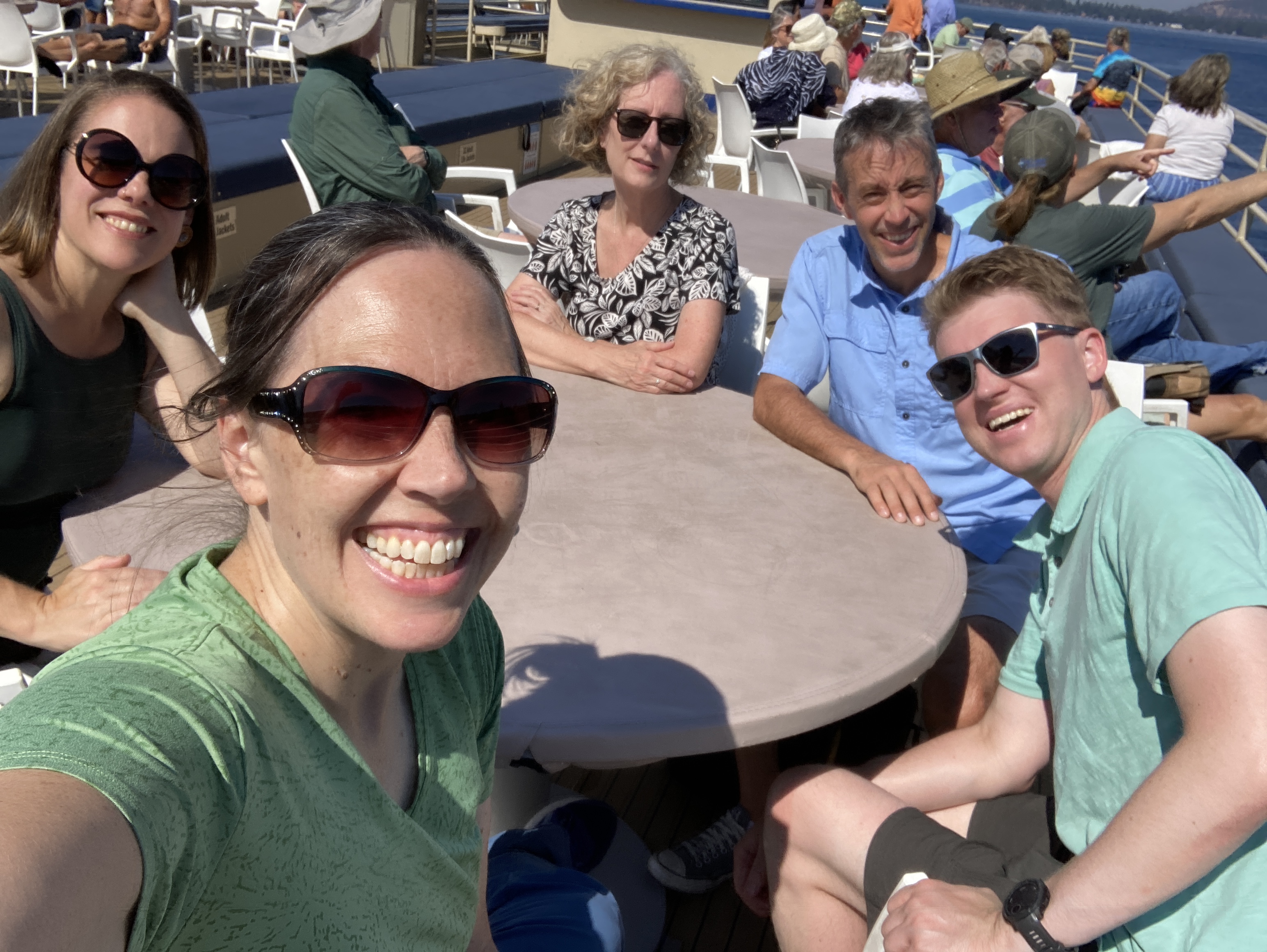
Our staff with Colter on Lake Coeur d’Alene.

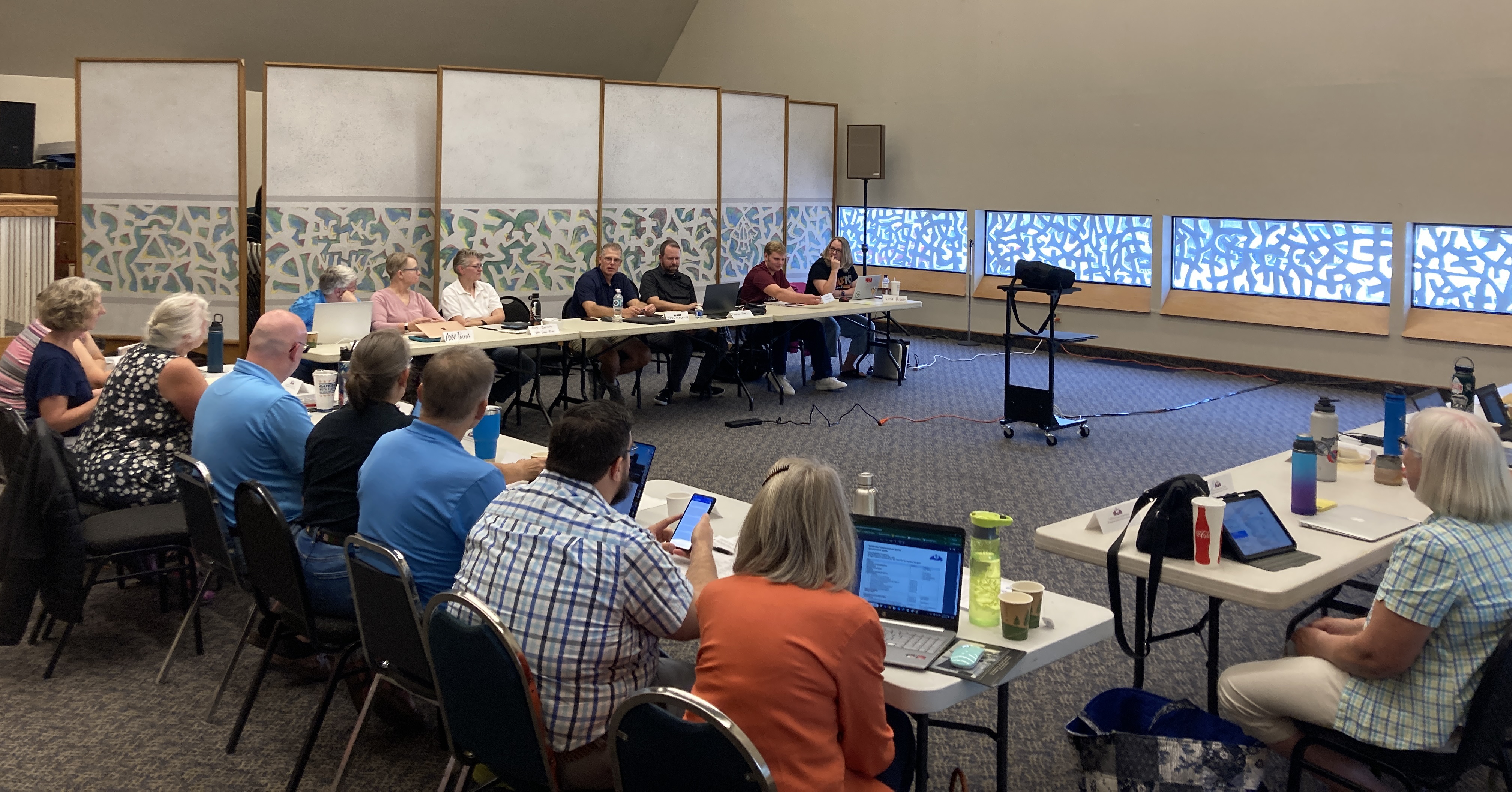
Friday and most of Saturday were Synod Council and Executive Committee of Synod Council days at St. Mark’s Lutheran Church.

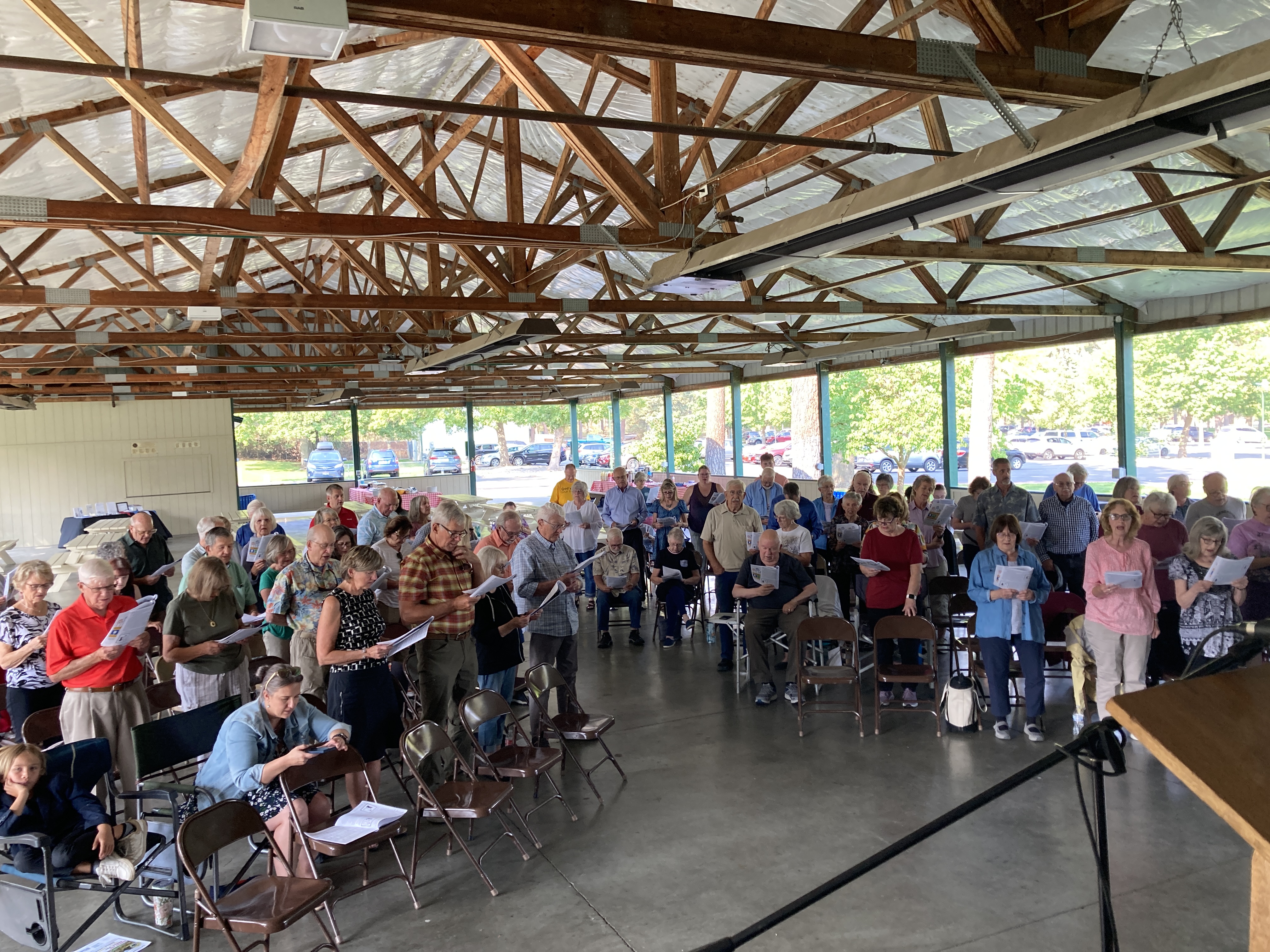
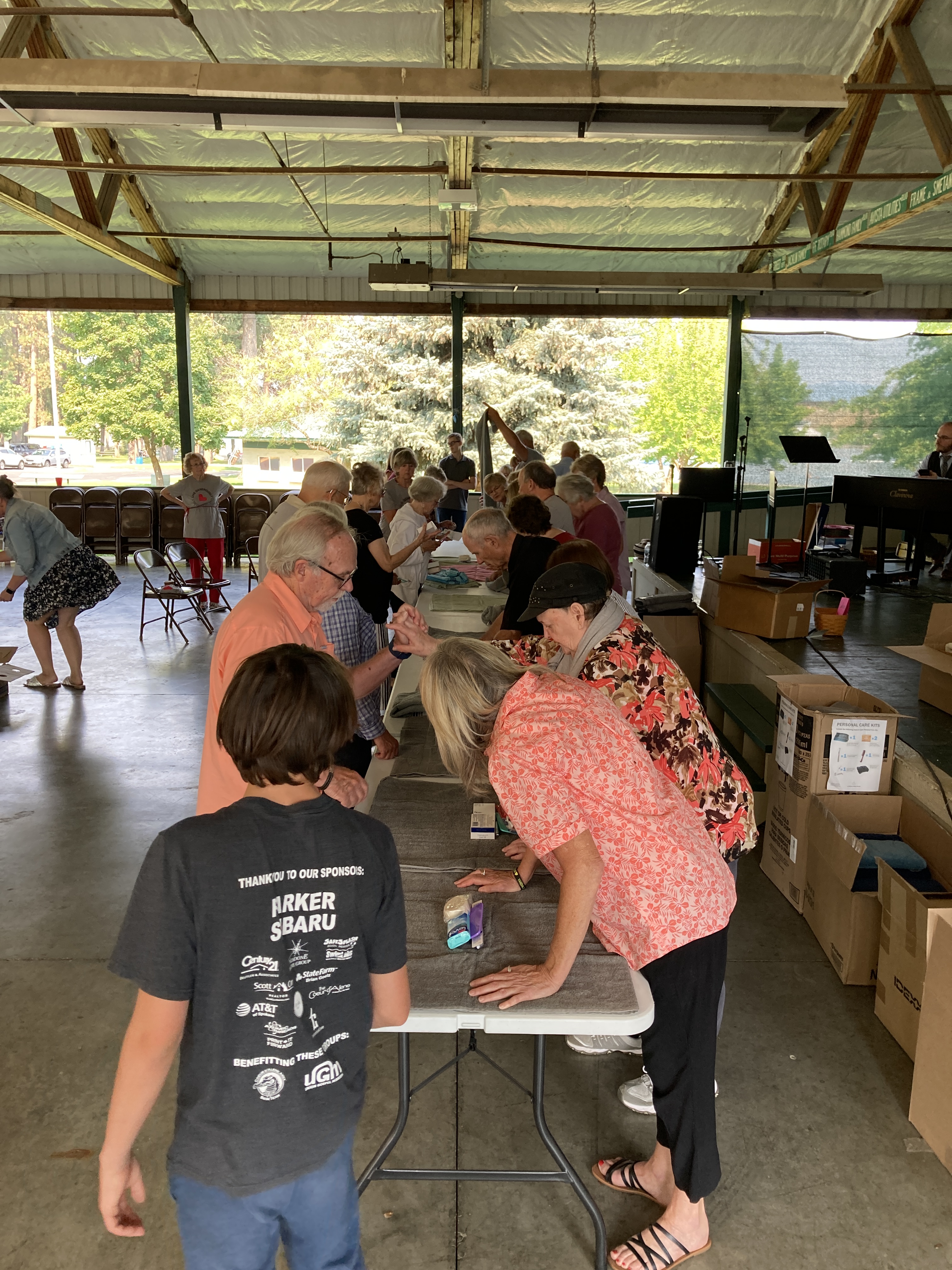
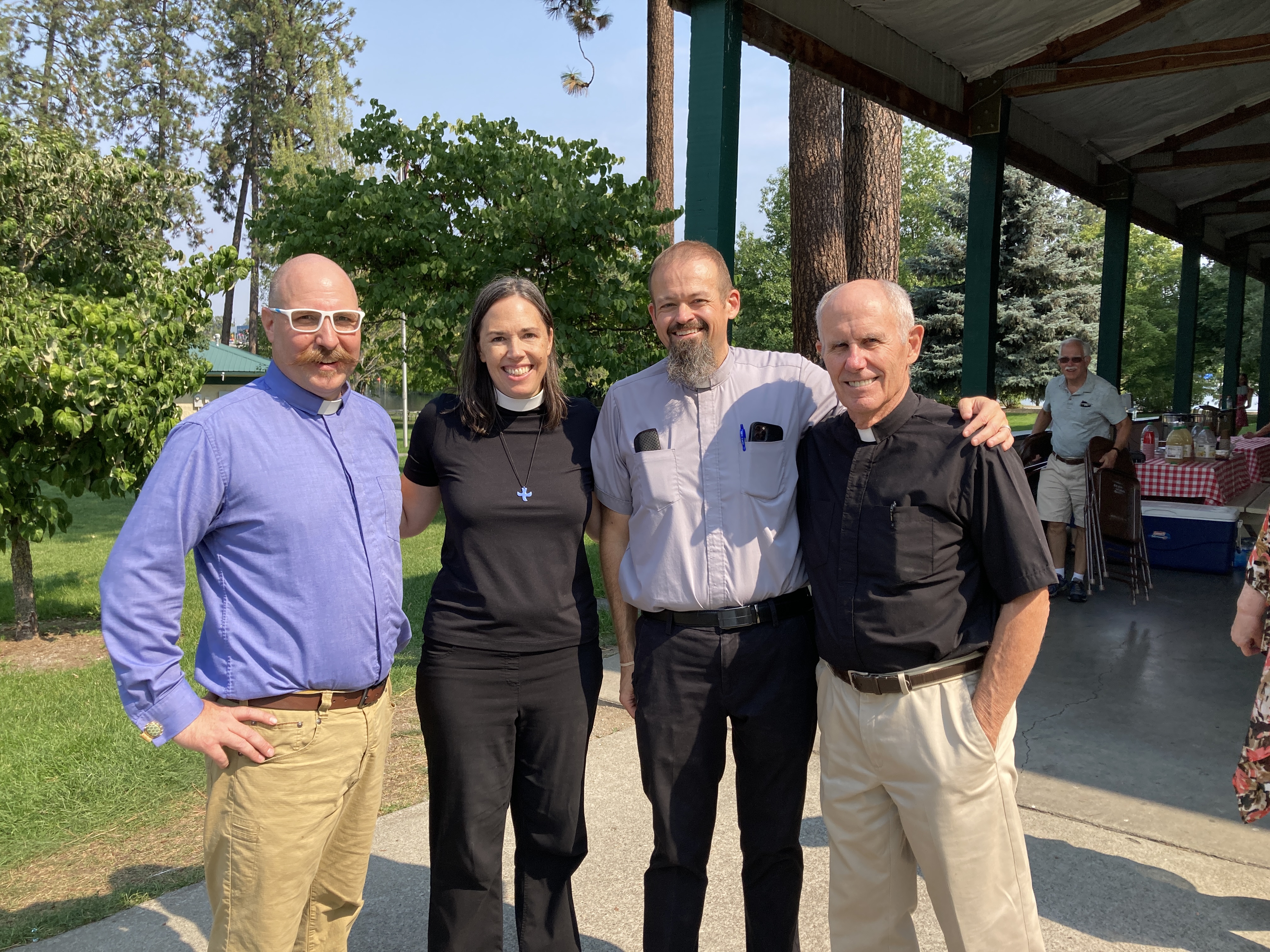
Today I preached at the tri-parish worship service in Kootenai County, Idaho (Calvary, Post Falls; Church of the Master, Coeur d’Alene; Trinity, Coeur d’Alene). Worship was followed by a potluck and assembling hygiene kits, all part of the ELCA’s God’s Work. Our Hands. Sunday. These congregations have a history of worshiping and collaborating together.

Posted in NWIM Synod | Leave a comment

Tri-parish Kootenai County – Sept. 8, 2024

Meggan Manlove

Post Falls – Q’emiln Park

Worship service with Calvary, Post Falls; Trinity, Coeur d’Alene; Church of the Master, Coeur d’Alene

Mark 7: 24-37

Dear friends in Christ, grace to you and peace from God our Father and the Lord Jesus Christ. Amen.

My default way into this story is reflecting on my parents’ own desperation when I developed a seizure disorder as a grade school kid. We were living in Western South Dakota, not exactly a hub for pediatric neurologists and in the 1980s so much less was known about the illness. My mom knew me well enough to know that the meds I was put on automatically turned me into a different person. She knew herself well enough that she could rebuff local community members who asked, “what are you going to do about your daughter?” 

Desperation can lead to heart ache and depression, but it can also open us up to possibilities and turn up the creative in us. My story has a happy ending because my parents kept searching for healing; also because we had some amazing resources and connections.

The woman in our gospel story falls at Jesus’ feet to petition a healing on behalf of her own daughter. The woman is Greek, a Syro-Phoenician—in other words, a gentile. One scholar names that her solicitation is an affront to the honor status of Jesus: no woman, and especially a gentile, unknown and unrelated to this Jew, would have dared invade his privacy at home to seek a favor. 

A rebuff by Jesus is understandable and expected. And he proceeds to defend the collective honor of the Jews: “Let the children be satisfied first, for it is not right that the children’s bread be thrown to the dogs.” 

It appears she recognizes — somehow — a certain abundance about the things Jesus is up to. Go ahead, children, eat all you want. But what if your table can’t contain all the food Jesus brings? Everyone in the room, including Jesus, recalls the leftovers when Jesus fed the great crowd.  The excess must therefore start spilling to the floor — even now.  Put plainly, she says “be who you are, Jesus.”

The woman also recognizes the potency of this “food.” She doesn’t demand to be treated as one of the “children.” Look, Mister, I’m not asking for a seat at the table. My daughter is suffering. All I need from you is a crumb or two. I know that will do the job. But I’m going to need it right now. Parents of really sick children don’t wait around.

The woman argues that dogs might at least be entitled to the crumbs. In the great twist, she seeks to defend the rights of her people to the liberating power of Jesus’ healing ministry. Given the social dynamics at play here, it is somewhat shocking that Jesus concedes her the debate. He heals her daughter, and not because of her faith but because of her talk, her faith-filled talk back. Jesus allows himself to be “shamed” in order to include this gentile woman in the new community of the kingdom.

Though not named in this story, I want to read between the lines here that the Holy Spirit is indeed active and present, working through the woman’s argument. The same Holy Spirit that was at Jesus’ baptism and who drove Jesus into the wilderness transformed the woman’s desperation into an interpretation of the Living Word, accelerating Jesus’ ministry to the gentiles. She embodies a living faith, or trust, in Jesus. She sees exactly who he is and trusts that in fact he can make her daughter whole.

Consider how suffering and desperation have shaped entire people’s interpretations of scripture. Enslaved African Americans saw their lives in the story of the Hebrew people in bondage in Egypt. They claimed the liberation in the story as their own. We take this interpretation for granted today, but it was surely the Holy Spirit embedding faith and trust in the triune God that helped them take a story from their slaveholders’ bibles and make it their own, giving them hope for freedom.

The Syrophoenician woman does something similar today. Her desperation for her daughter’s healing opens her imagination with the help of the Holy Spirit. Jesus heals not once, but twice, for he goes on to heal a deaf man with a speech impediment. He heals the man not just with words but with physical touch. 

I feel some desperation for healing today, and perhaps you do too. I want healing for individual members of our synod whose lives have been shaken. As wars carry on in Israel-Palestine, Russia-Ukraine, and other parts of the world, as the poorest of the poor in our world suffer in different corners of the globe, I cry out to God for healing. I cry out on daily walks, in my dreams, and with others in worship services like this one.  

I am grateful for the gift of faith, for trusting the triune God. I am grateful not because I think it makes me superior but because it’s how I keep living with glimpses of hope. And faith, or trust, lives in me only because it’s a gift from that same Holy Spirit. Part of what happens in worship is that my trust in God is renewed and nourished. And from worship we are sent out to love and heal and mend the world God created.

I love that today we will follow Jesus’ example of healing by assembling personal care kits for our neighbors, perhaps near and far. Across the Northwest Intermountain Synod and the entire ELCA people are helping mend the world with small acts of love for God’s Work. Our Hands. Sunday. It’s a good day to wonder who else needs healing nearby and far away? How might your tri-parish collaboration witness to the love and healing we know through Jesus Christ? What biblical story might inform your partnerships?

With so much hurting and brokenness in the world, including in Kootenei County, it is easy, even for those of us steeped in the Lutheran tradition, to think these acts of love will win us some favor with God. 

God’s Work. Our Hands. Sunday, like the entire church year and one’s entire life of faith, is grounded in worship, worship in which we are reminded that faith or trust is itself a gift of God, given and nurtured by the Holy Spirit. In this space, soon we will be fed with the bread of life, connecting us to the woman in our text and to so many characters in scripture.

After another healing, the healing of Jairus’ daughter, Jesus instructed those present to “give her something to eat.” In like fashion, Jesus instructs his disciples in the first feeding of the multitude to “give the crowd something to eat.” The woman argues for the crumbs from the table and her daughter is healed. For us, crumbs might be enough but instead Jesus sets an abundant and life-giving feast for us this day where we will receive the bread of life and the cup of salvation or healing and wholeness. We are sent forth to bringing healing and wholeness to the world only by the grace of God.

Posted in Sermons | Leave a comment

Tribal Housing Summit

Originally published in the Northwest Intermountain Synod-ELCA September e-newsletter.

Your kingdom come.

What does this mean? In fact, God’s kingdom comes on its own without our prayer, but we ask in this prayer that it may also come to us. Martin Luther’s Small Catechism

Dear Friends in Christ,

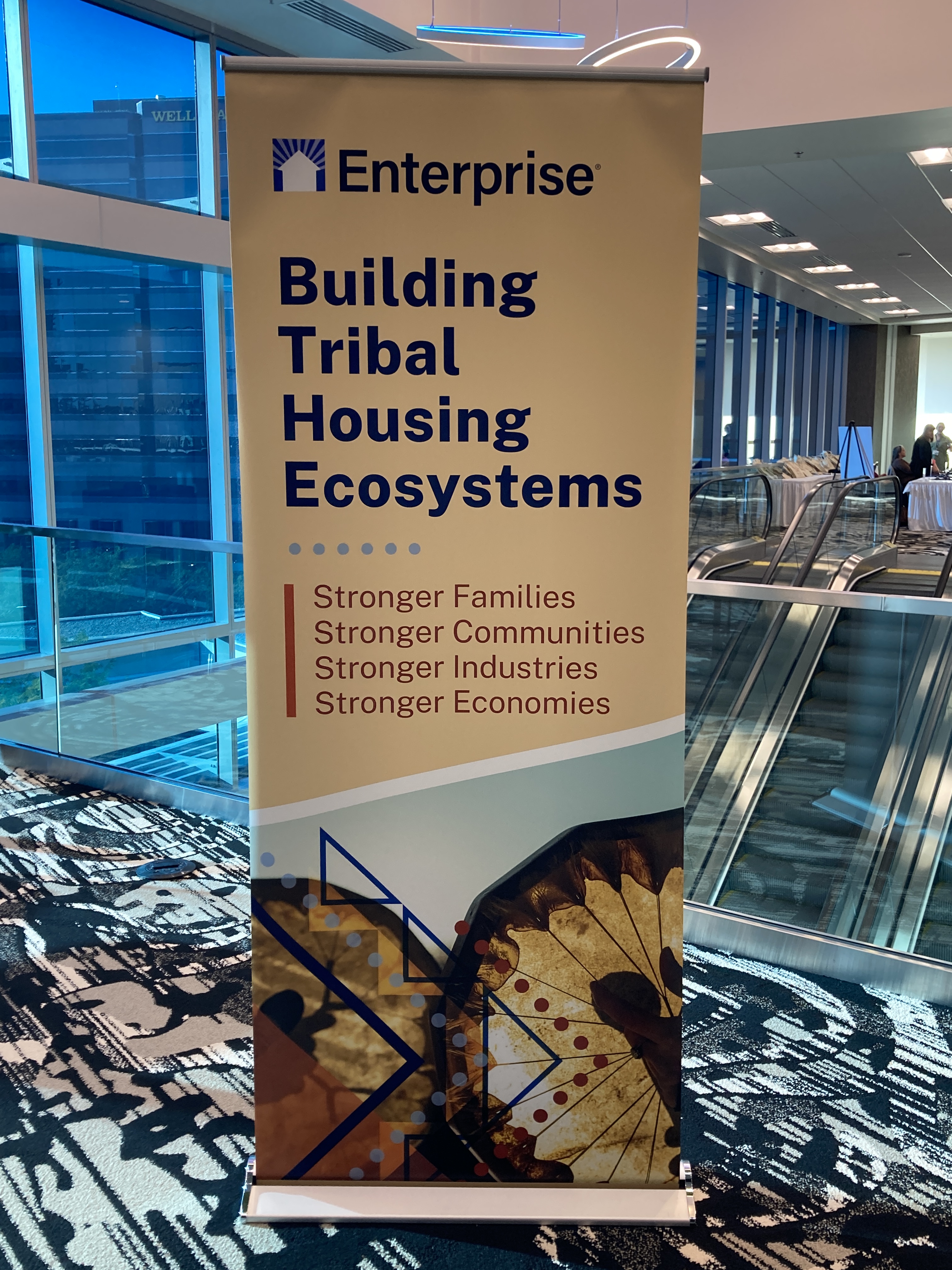
I am filled with hope and energy and ideas after spending a day and half this past week at the inaugural National Tribal Housing Ecosystem Summit organized by Enterprise Community Partners. Last spring I asked Bart Cochran, the executive director of LEAP Housing (whose board I sit on) what LEAP was doing to walk alongside and learn from the tribes in Idaho. He told me he had just learned about this summit, which would be in Boise, and asked if I wanted to attend. 

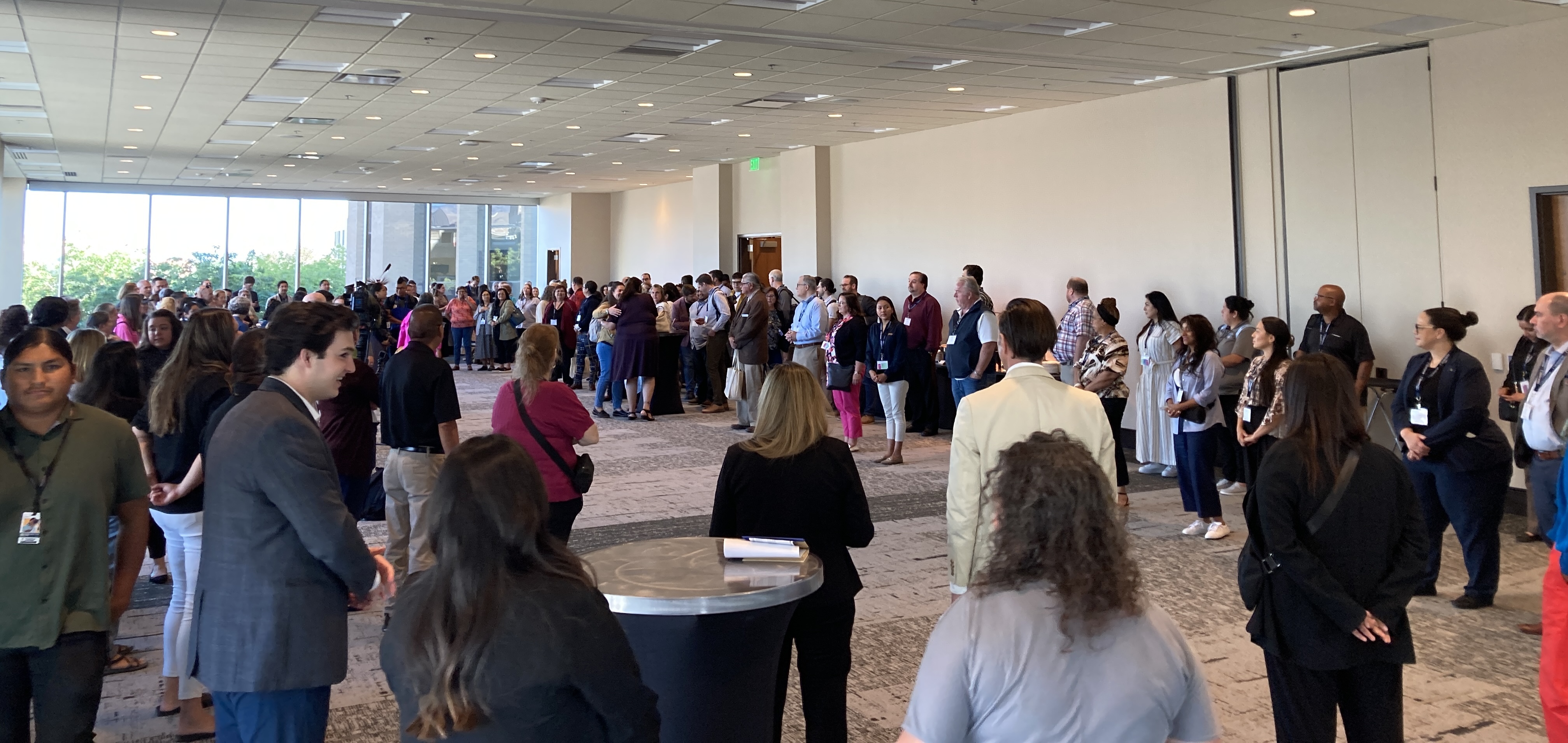
The event began Tuesday evening with a social hour. We met Shaun Donovan, Enterprise’s CEO who was the HUD Secretary under the Obama administration, and Tonya Plummer, Native American Housing Director for Enterprise and creator of the summit, enrolled tribal member of Assiniboine, Sioux, and Cree heritage who currently lives in Kalispel, MT.  Wednesday began with a land acknowledgement by Ladd Edmo of the Shoshone Bannock Tribe, greetings from an elder of the Shoshone-Paiute tribe, and a song from the Nez Perce, or Nimiipuu. These three tribes played a major role in hosting throughout the summit. Panels, workshops, and tribal showcases (celebrating success stories) were all informed by the The Housing Ecosystem: A Foundation of Tribal Economies. The core tenets are demand, social & emotional infrastructure, construction & development, and finance. We heard from Rudy Soto (USDA Rural Development Director who grew up in Nampa, Idaho and is a member of the Shoshone-Bannock tribe), Joaquin Altoro (Admin, Rural Housing US Dept. of Agriculture), Estakio Beltran (with the Dept. of Interior who grew up on the Yakima Nation), Lakota Vogel (Executive Director of Four Bands Community Fund and member of the Cheyenne River Sioux Tribe), Rose Petosky (Director of Tribal Affairs, White House Office of Intergovernmental Affairs and member of the Ottawa and Chippewa Indians), and many others. I so appreciated a session on Social and Emotional Infrastructure led by Lanalle Smith (member of the Navajo): “Centering Native Based Perspective in Credit and Equity, Excerpts from the Trauma of Money.” Another great session was the Power of Data led by Casey Lozar of the Center for Indian Country Development. In the latter we learned how the CICD is trying to fill the data gaps on Indigenous populations and communities. The best part of the entire summit was meeting and having conversations with tribal members from the housing authorities at Fort Hall, Nez Perce, and Duck Valley. I was able to ask questions like, is there any role for a primarily white church or non-profit to accompany you in this work? The answer was yes, we are always looking for partners. LEAP is creating its own CDFI (Community Development Financial Institution) and since not all the tribes have a certified CDFI yet, this could be helpful. Some of our synod’s churches are on or near reservations and tribal members were open to potential partnerships now or in the future. I celebrate those of you already partnering! Thursday morning, I went to tribal showcases with tribes from my home state of South Dakota. The Sisseston Whapeton Housing Authority and the Sicangu Co from the Rosebud Sioux Tribe are both doing amazing work—stacking capital, working with their tribes, and building homes that are beautiful and will be standing for generations! The last showcase I attended highlighted a Low-Income Housing Tax Credit project the Oneida Tribe is doing in Wisconsin. By lunch on Thursday, word was out that I was also a Lutheran bishop, not just with LEAP housing, and the Enterprise staff connected me with Jess Blanch, Pacific Northwest Program Director who works with my ELCA and Methodist colleagues in Western Washington. I also met Enterprise’s Robin Wolff, Senior Director for Rural Communities. If your church has already discerned that affordable housing is in your future, I commend Enterprise’s Faith-Based Development Guide. There’s also this resource from ELCA World Hungeron housing.

A few thoughts to wrap this all up: I know I am not the first or last bishop, pastor, deacon, or lay person to care about accompanying our Indigenous siblings. I have role models, and I know many of you are currently reading, building relationships, hosting seminars, and showing up at tribal events. But when a leader says something is important, as I have said this work is important to our synod, then it is equally important for me to lead by example. I am in this with you all. It is hard and slow work, but it is also joy filled and hopeful—so hopeful!

A final list of take-aways or things I am still pondering (in no special order):

  • Self-Determination – a division of the BIA, an Act of 1975, and something that was named multiple times throughout the summit
  • CDFIs – a great tool now and going forward
  • USDA does so much in rural housing 
  • There are many Indigenous veterans, a very vulnerable population
  • Importance of knowing the history of Indian Boarding Schools
  • Enterprise’s Faith-Based Development
  • Most Native Americans live in urban settings-something an Alaska Native who grew up in Nome and now lives in Seattle reminded the data session group

Thanks for reading and wishing you a beautiful September and beginning of the programmatic church year.

Bishop Meggan Manlove

Posted in NWIM Synod | Leave a comment

Rostered Ministry – Be Part of Someone’s Discernment

Originally published in the Northwest Intermountain Synod e-news in August

This summer our Episcopalian siblings are celebrating the 50th anniversary of women’s ordination in their denomination. The evening of Sunday, July 28 I was the guest of the Idaho Episcopal Diocese at Ascension in Twin Falls, ID. During the prayers of the people, the leader gave space for everyone gathered to name aloud a person or people who had been significant in their journey to public ministry or lay ministry. This celebration came at the end of my trip to our congregations in Wyoming which came on the heels of the ELCA Youth Gathering in New Orleans. So, I was immediately transported back to the 1997 ELCA Youth Gathering in New Orleans when I served on a Hotel Life Team, which involved general hospitality and helping lead worship in the hotel each morning, including my first sermon. The last night of that Gathering was a huge party outside. I walked around with Pastor Marilyn Breckenridge, the head of our team, and during that walk she encouraged me to consider becoming a pastor. It was probably small to her, something I assume she did regularly, but to me it was something I still remember this many years later. 

In our tradition, we talk about the internal and external call to ministry, and we affirm that both are necessary to the discernment process. Naming the possibility, as Pastor Breckenridge did, is right there in the Letter of Call all of us pastors receive: “to encourage persons to prepare for the ministry of the Gospel.” I have yet to install a deacon, but I assume it’s in their letter too. For most of us, nudges or invitations from rostered ministers were significant, but so too were seeds planted by other members of our faith communities. As important as it is for all of us to take seriously our callings as baptized children of God, so too is it important that we identify and name gifts for public/ordained ministry when they appear. One conversation can open an imagination and prepare it to be nourished by someone else. 

In a recent email to rostered leaders, ELCA Presiding Bishop Elizabeth Eaton wrote, “Recently we have heard one thing loud and clear: our candidates and future seminarians need more opportunities for discernment. As we listen across the church to learn how the churchwide expression can best support you, a constant theme is the need for more discernment resources. Therefore, in partnership with all seven of our ELCA seminaries, we are launching online discernment groups.

….Those who are interested can sign up, using the contact form located at elcaseminaries.org. While there, they can discover the unique educational opportunities each of our seminaries has to offer. As they explore the site, they might even find examples of church leadership they have never seen before. If they aren’t comfortable in a group setting, they can request to speak with a discernment mentor one-on-one. These new conversation-based resources expand upon our already existing discernment site, Journi.faith.” 

Three of our ELCA Seminaries (PLTS, Wartburg, and Luther) will host an online discernment event for all of Region One (including our synod) Saturday, November 23 at 9-10:30am (Pacific), 10-11:30am (Mountain). Finally, the Northwest Intermountain Synod has its own Candidacy page, with information about the candidacy process, our Candidacy Committee, and other resources.

Who will you forward this email to? Who in your congregation have you been meaning to talk with about their gifts for public ministry? Whose discernment process have you already been a part of? Thank you!

Peace,

Bishop Meggan Manlove

Posted in NWIM Synod | Leave a comment

Wyoming Plus

Last Wednesday I took off for a trip to the congregations on the eastern edge of our synod, the two churches from Wyoming in our synod. I stopped at St. John’s Lutheran in American Falls, a church in pastoral transition, to check in with the council president and another council member able to be at the church. They are welcoming the Episcopalians (who are having holy closure and selling their building to the city or county to be a museum). There were questions around how best to welcome them. I found the service to welcome new members for them but also asked to take a look in the pastor’s study. After about five minutes I found what I was looking for–copies of Dan Erlander’s Baptized We Live. I drove on to Pocatello where I had dinner with the Kendal Presbytery leader Cathy Chisolm. I learned that the two presbyteries of southern Idaho will soon be voting to merge. Final destination for the evening was Pastor Wayne and Janet Shipman’s home.

Thursday I made the beautiful drive from Pocatello (where there is road construction everywhere) to Star Valley United Church in Thayne, WY for the funeral of Pastor Allan Schoonover, who served there in his final call. He also served up in Jackson and in Aberdeen, SD and was an active retired pastor in Arizona. Pastor Stephen Bibb preached and I presided. It was wonderful to meet the many parishioners and witness Pastor Bibb’s wonderful pastoral presence.

I drove up through the canyon to Jackson and found the Teton public library so I could catch up on email. I stayed with a wonderful couple who helped start SoM; wonderful hospitality. On Friday, my birthday, SoM Pastor Tim Stadium and I headed to the national park for a hike and dinner–always a good way to get to know someone. On Saturday I went to the Jackson Art Fair–so much amazing art–and enjoyed the library a bit more.

Sunday I preached at SoM. This congregation has done a lot of work in the last few years learning about themselves, their neighborhood, and the larger Jackson community. A small group spent time in Ephesians before worship. Bread was baking in the kitchen up until the opening hymn and the aroma brought John 6 alive. We had a wonderful conversation following worship about Funding Forward (building on our Regional Gatherings) and possible collaboration partners.

I finished the day by celebrating the 50th Anniversary of the Ordination of Women in the Episcopal Church with the Episcopal Diocese of Idaho, at Episcopal Church of the Ascension in Twin Falls. I saw many familiar faces and met some new friends.

Posted in NWIM Synod | Tagged , , , , | Leave a comment

July 28, 2024 – Jackson

Shepherd of the Mountains in Jackson, WY

John 6:1-21

The feeding of the multitude is such a gift of a scripture passage to preach as a bishop who sees and experiences so much across our vast synod—88 ministry sites between Jackson and Leavenworth, WA—12 hours in the summer when roads don’t collapse. Assistant to the Bishop Phil Misner, Director for Evangelical Mission Liv Larson Andrews, and I are out in congregations 2-3 Sundays each month. Ahead of our Wednesday morning staff meetings, we often write reflections on our Sunday visits. The abundance of Jesus’ love, the Holy Spirit’s activity, and God’s gifts is remarkable and the bearing witness to it all is the biggest joy of this call to serve as bishop. 

We have witnessed small scrappy congregations providing after school programs for the youth everyone else in town seems to have forgotten. We witness congregations in small towns that are the hub of spiritual welcome and physical nourishment and belonging; they have become what city planners refer to as third spaces. We have celebrated large and small churches partnering with nonprofits caring for indivuals experiencing homelessness. We have witnessed churches offering childcare and food pantries—which become care for the soul in addition to the body. 

And most importantly, and I really cannot stress this enough, our congregations, no matter the community, are a place where God’s love and mercy are preached and sung and received during the Lord’s Supper. 

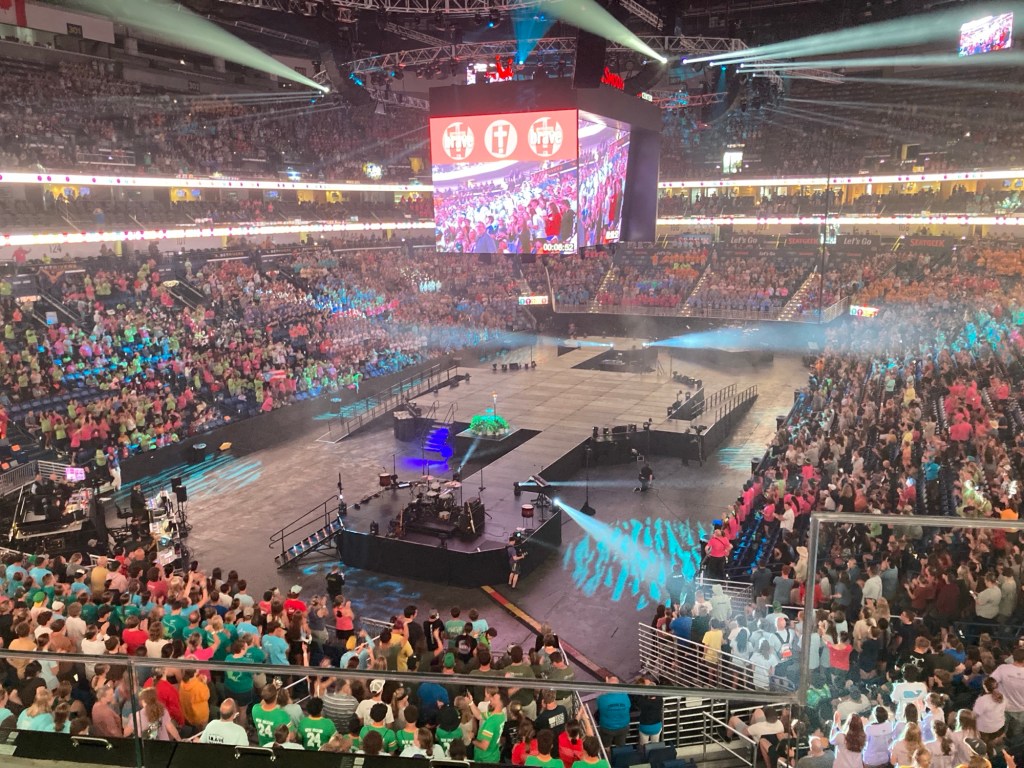
I witnessed a similar sort of abundance last week while in New Orleans for the ELCA’s triennial Youth Gathering—16,000 youth, young adults, and adult leaders gathered to grow in faith, hear from inspiring speakers, praise God through singing, and learn from and walk alongside the citizens of New Orleans. The triennial youth gathering is always a week full of the abundance captured in today’s scripture passage. 

I always kind of wonder if we there will be enough—enough volunteers, enough activities, enough patience, enough compassion, enough energy, enough time, enough empathy, enough organization. I don’t worry too much because we have done this many times, but because of Covid, we skipped 2021, so we were a bit out of practice. It is a week when we all exercise plenty of human agency while simultaneously trusting the Holy Spirit to show up and provide. This year, I had lots of memories of my first time as a participant: hearing, among others, Maya Angelo, in Dallas in 1991as a high school freshman. That summer and last week I again felt some of the awe I assume the crowd experienced on the hillside in Galilee when the preacher, healer, miracle worker Jesus fed them all with a little bread and fish. 

This is the only miracle story told in all four gospels. That should be a clue to any reader of its importance. That Jesus has compassion, that God is a God of abundance, that caring for physical bodies is important are all part of this significant story and all tell us crucial things about God in Jesus Christ. 

But just as important to the parts of the story found in all four gospels are the details that are only part of John the Evangelist’s telling. I tend to not dwell on textual differences when preaching, thinking it distracts from the good news. But this morning is the exception because John’s unique details are so important to the life of faith, to following Jesus today.

In John’s telling, and only in John’s telling, it is Jesus himself who distributes the food. He does not delegate or equip his disciples for the task. He gives the food away himself. Why is this significant? Because the Last Supper in John does not include an actual supper. It includes the all-important foot washing, which we remember and sometimes reenact on Maundy Thursday. 

In John’s gospel, the feeding of the multitude is the Lord’s Supper moment. This is the moment when Jesus gives himself away. Jesus is intimate with the people. And he gives himself away, not in an upper room with his disciples, but in the everyday stuff of life. Remember that—he is with the crowd. He is in the midst of conversations, hunger, friendships, family drama, even the bugs and leaves and grass of the natural world.

So, in those times when you have wondered if God is with you in the everyday, the times when we sense the Holy Spirit working but can hardly believe it, we can trust that God is in fact with us. That time last week in New Orleans when I was at first so tired and the next day so grateful for the many youths and adults God had put in my life through the Youth Gathering; I thought about the story in John 6. Yes, this is our God’s M.O., God’s method of operation, to show up in the regular stuff—in conversation, in work, in recreation in the natural world, in weariness, in moments of grief and memory.  

And this brings me to what may be most wonderful and remarkable about this miracle story. One of my favorite theologians [Douglas J.H.] claims that “what is truly amazing is not that a seeming human could multiply loaves and fishes in so astounding a manner but that this human being could represent, by his words and deeds, such a sign of hope and healing that hundreds of needy people would follow him about and feel that their hunger for ‘the bread of life’ had been [satisfied].” 

Continuing to Jesus’ walking on water, “What is truly awe-inspiring is not that someone could walk on the surface of the water without sinking, but that his presence among ordinary, insecure, and timid persons could calm their anxieties and cause them to walk where they feared to walk before.”

This is not to take away any of the awe and wonder from this most powerful and beautiful story. Nor is it meant to take away awe and wonder from the ways each of us has experienced the power of God through the Holy Spirit working through our lives. Whether we call them God-sightings, theophanies (a Greek term for the appearance of a deity), experiences of the divine, or transcendent moments, I hope you are having them and paying attention to them. God shows up in the ordinary all the time. We only have to have our senses alert, to practice each day being aware of God’s presence in our lives individually and as an entire faith community.

We might imagine that feeding of the multitude as this beautiful peaceful pastoral scene. And many artists have taken their turns portraying the event. But these were hungry people, probably oppressed by the Roman Empire, almost surely seeking hope. Then here comes this Jesus and he not only gives them actual bread. He gives them himself. He gives them, we might assume, a sense of belonging, identity as followers of him. He also gives them an even greater gift: hope.

Healing, perhaps a more wholistic and this-world word for salvation, forgiveness and hope are the gifts received even today in the Lord’s Supper. It does not matter if you participate in the Lord’s Supper in the outdoor chapel at Luther Heights Bible Camp, in the living room of one of your homebound members, or in this sanctuary. Jesus gives himself away once again, meeting you wherever you are, when the words are said, “broken for you” and “shed for you.” Healing and forgiveness are as real today as on that hillside thousands of years ago.

But again, the remarkable thing about this story is that Jesus’ takes the meal, what I clearly see as him instituting the Lord’s Supper, to the hillside, full of grass, caterpillars, physical and spiritual hunger, messy and thriving relationships. It is this event, this powerful story, that gives me permission to speak quite frankly about the holiness of so many of the other meals eaten around the Northwest Intermountain Synod—soup suppers during Advent or Lent, potlucks, meal trains for people who or grieving or sick, or family dinners in each of your homes. Yes, Jesus is there too, during the every-day. There, too, he is giving us hope and healing, filling us with the bread of life, himself. 

Please do not ask me to explain in this sermon how the Holy Spirit does this work. The “how” is fun to talk about, but what is important is the “why.” Why did Jesus give himself away in barley bread? Why does Jesus give himself away in bread and wine at this table? Why does the Holy Spirit show up in all the ordinary meals and encounters of life? Because…God’s love is everlasting and as abundant as during that miracle of feeding the multitude. And God will use any and every opportunity to make sure we know we are beloved and are part of the kingdom of God.

Posted in Sermons | Tagged , , , , | Leave a comment

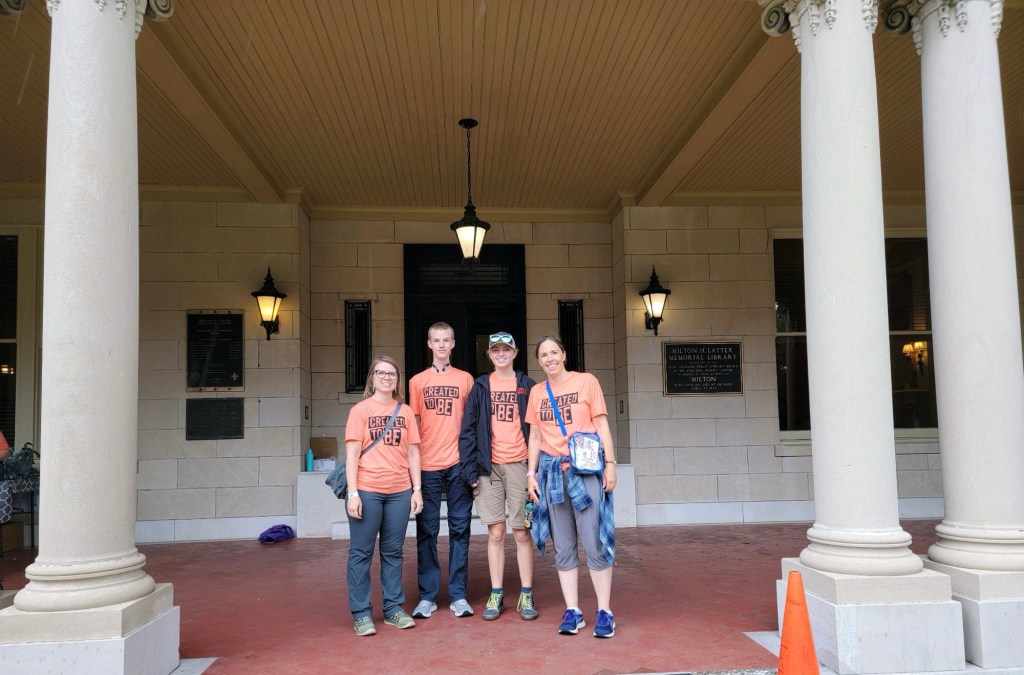
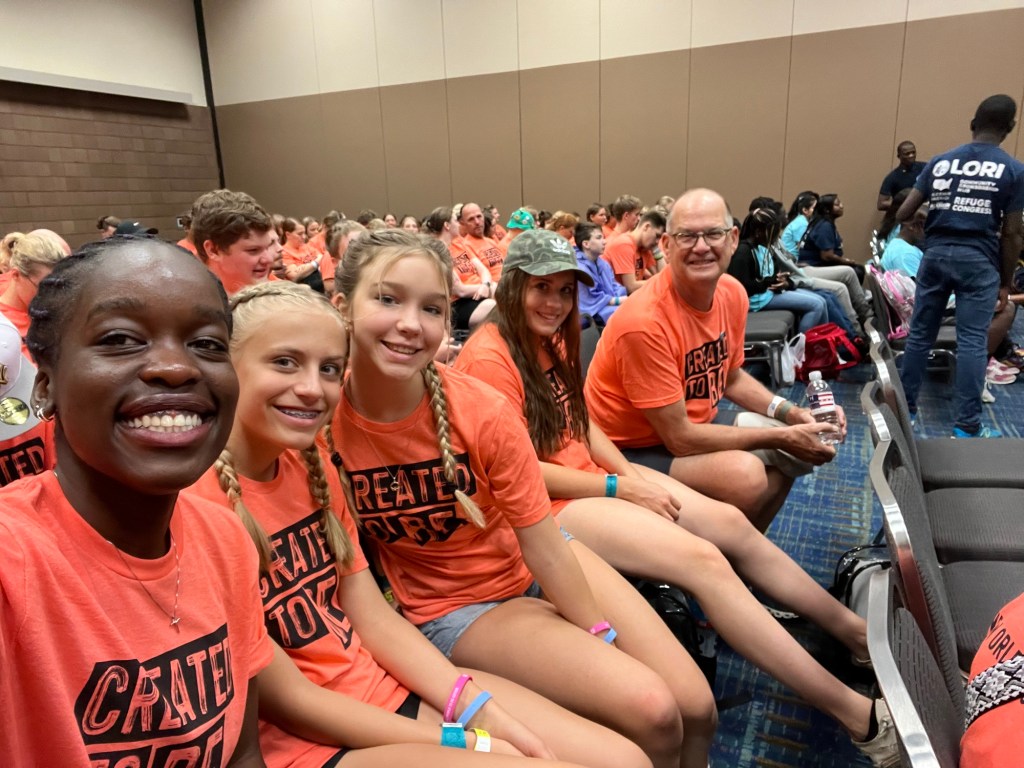
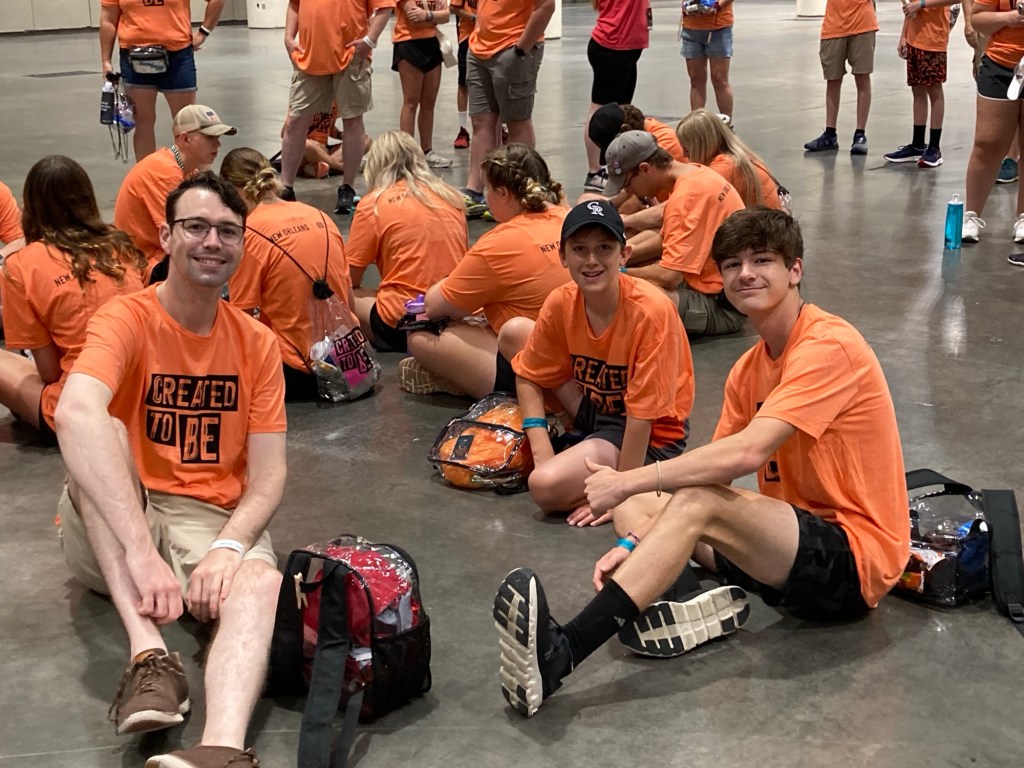
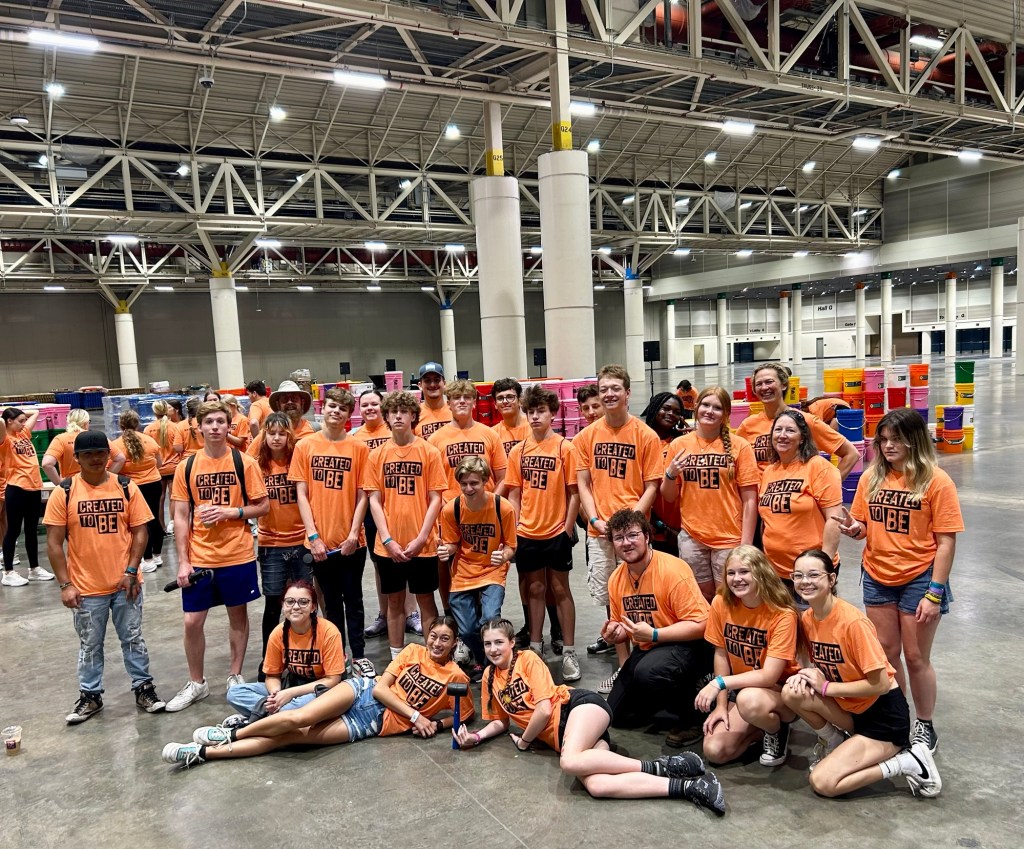
ELCA Youth Gathering – Created to Be

I’m at the Dallas Love Field airport, having left New Orleans early (after a rough day for the airlines) getting ready to return to the Boise area after a wonderful week at the 2024 ELCA Youth Gathering. A huge shout out to The Gathering staff and the thousands of volunteers who make this triennial event happen. An added challenge to this event is that the ELCA skipped The Gathering (scheduled to be in Minneapolis is 2021, postponed to 2022 and then cancelled) for a cycle. This meant we lost some momentum and memory of The Gathering. The event that was pulled off was fabulous under but these factors make the achievement all the more remarkable. The Northwest Intermountain Synod had a strong representation and I look forward to congregations across the synod hearing from the youth and their adult leaders, including some pastors and many caring adults who gave of their time.

What is the ELCA Youth Gathering?

Every three years, thousands of high school youth and their adult leaders from across the Evangelical Lutheran Church in America gather for a week of faith formation known as the ELCA Youth Gathering. Through days spent in interactive learning, worship, Bible study, service and fellowship, young people grow in faith and are challenged and inspired to live their faith in their daily lives.

An important part of the Gathering’s ministry are the two pre-events, the Multicultural Youth Leadership Event (MYLE), a faith formation and leadership development event primarily for youth of color, and the tAble, a gathering that brings together, blesses and empowers youth with disabilities.

The ministry of the Gathering is excited to partner with Young Adult Ministries to host the first-ever ELCA Young Adult Gathering for individuals who will be 18-35 at the time of the Gathering.

Young Adults from King of Glory, Boise

Around 16,000 of us were in New Orleans this week. Though this is the Youth Gathering, it has traditionally been the largest gathering of ELCA adults too.

I flew in very late from Spokane knowing I might be delayed coming from the West, which I was. Registration and the first mass gathering at the Smoothie King were Tuesday, with the theme Created to be brave. We heard from Dr. Michael Chan, Old Testament scholar.

Youth from the Luther Heights/Southern Idaho Group

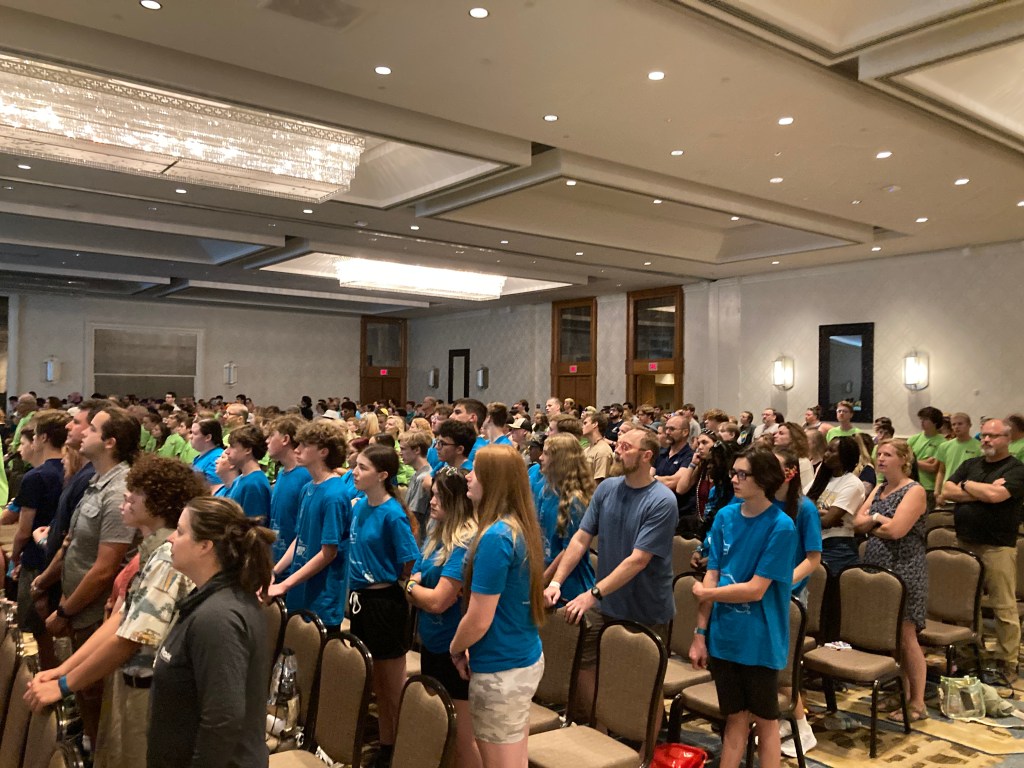
The gathering participants get split into thirds for the middle three days of the event. Regions 1 (NWIM plus NW WA, SW WA, OR, and AK) and Region 3 (ND, SD, and MN) started with Synod/Region Day. Groups did a photo scavenger hunt to explore the city and worshipped together. Big thanks to the synod champions who planned Region 1 Worship at the Hilton Riverside.

Region 1 Worship
With Bp colleagues from Alaska & Oregon

The evening theme Tuesday was created to be authentic. Our keynote was by Dr. Jacqueline Bussie, whose book Love Without Limits, a few of us read with our youth in the Treasure Valley pre-pandemic.

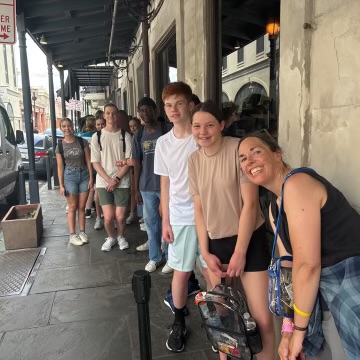
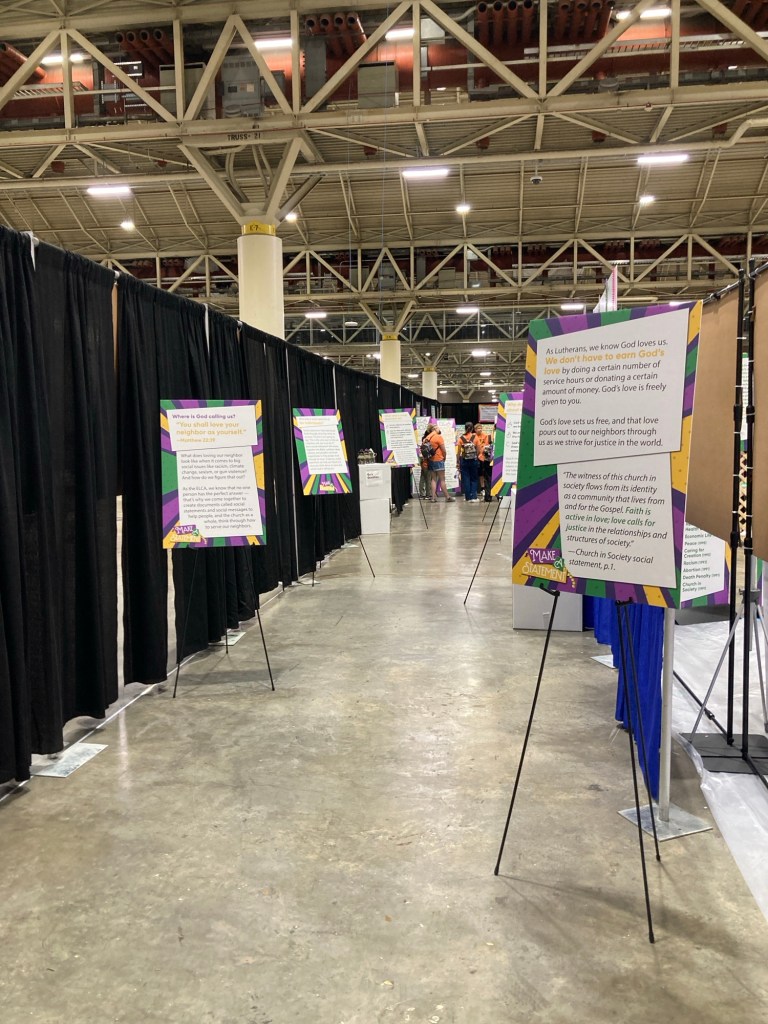
Thursday our synod had Interactive Learning Day–a day to spend dedicated time in the Interactive Learning Center at the Convention Center and out in the city. A few groups went on swamp tours.

Lunch with Trinity, Pullman
Rev Dr Kelly Sherman Conroy organized MYLE. We went to high school together a few years ago.

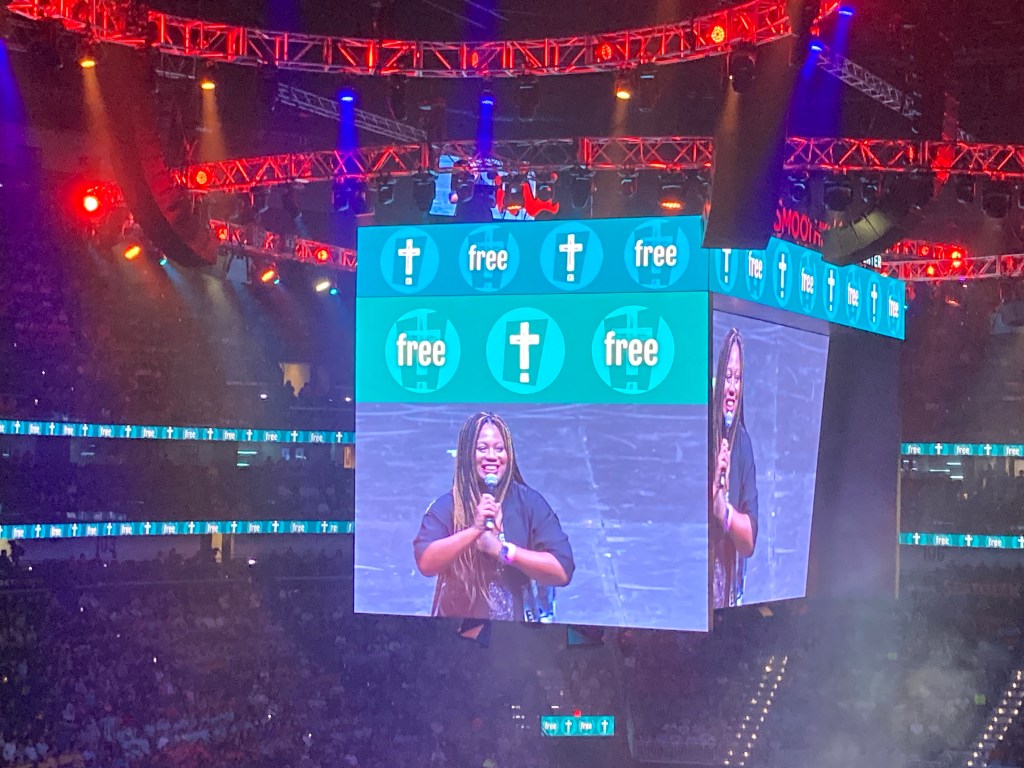
Thursday evening the theme was created to be free and our keynote was author Austin Channing Brown.

Friday was the NWIM Synod’s Accompaniment Day–a day to serve the city and/or go deeper learning about issues Christians are concerned about. The city experienced some big thunderstorms the previous few days and that impacted some of the accompaniment opportunities. I joined Lord of Life from Kennewick, WA and we went to a public library to help with author day (children’s authors who displayed their books and read to children).

With Lord of Life, Kennewick
Trinity Pullman Group
Faith, Caldwell Group
Luther Heights Group

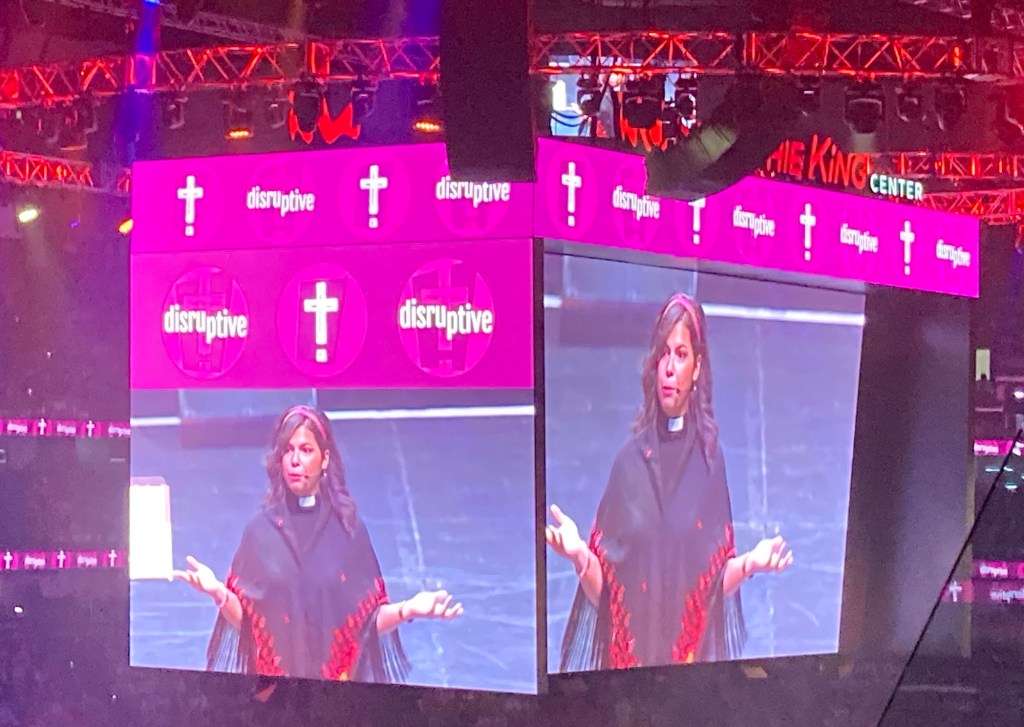
The theme Friday evening was created to be disruptive and our keynote speaker was Pastor Sally Azar.

This morning, everyone is back in the arena for sending worship, including Holy Communion. The theme is created to be disciples.

We’ll be going to Minneapolis in 2027!

Posted in NWIM Synod | Leave a comment

With the Methodists from the West

With Bishops Bridgeforth, Oliveto, and Stoneking

It’s hard to sum up how full my heart is after just Friday and Saturday morning at the United Methodist Church’s Western Jurisdiction Conference in Spokane, WA. This body generally only meets every four years, after their general conventions. (Covid threw that cycle into a little chaos). I was in attendance because the UMC District Superintendents I work with (Daniel Miranda in Spokane and Karen Hernandez in the Treasure Valley) had both being trying to introduce me to Bishop Cedric Bridgeforth, Bishop of the Greater Northwest Area with an office in Seattle. Daniel gave me several options and these dates were the only ones that worked. Then, earlier this month, all the Methodists learned that this would be the one Jurisdiction that would have a bishops election–not one but two elections. Read the press release to start understanding this. The group started meeting Wednesday, doing service projects around Spokane, but I didn’t join them until Friday morning. Still, everyone thought I was generous to give them so much time. I had to explain that I was getting work done–making connections, building relationships, living into that part of my job that is chief ecumenical officer for the synod.
Everything in blue is the Western Jurisdiction. Who knows when they will meet again in the NWIM Synod, so this experience was truly a unique gift.
The ELCA’s full communion relationship with the UMC was voted on at our churchwide assembly in 2009. It got a bit overshadowed because that was also the assembly where we voted on the human sexuality Social Statement and the Recommendations for Ministry Policies around LGBTQ rostered leaders and unions. I was at that assembly as a guest (easy enough to drive up from Iowa).

I had several UMC classmates at the University of Chicago Divinity School. A few years into my call at Trinity, Nampa I learned about the Lewis Fellows program funded by the Lilly Endowment and run by Wesley Theological Seminary in D.C. for young (under 35) clergy–mostly Methodists but they always invite a few others, at least when I did it. We went to Kansas City, Miami, and D.C. over the course of nine months. We learned about leadership and lenses and ourselves and I learned more about the UMC. That was the first time I really got the implications of them being an international body.

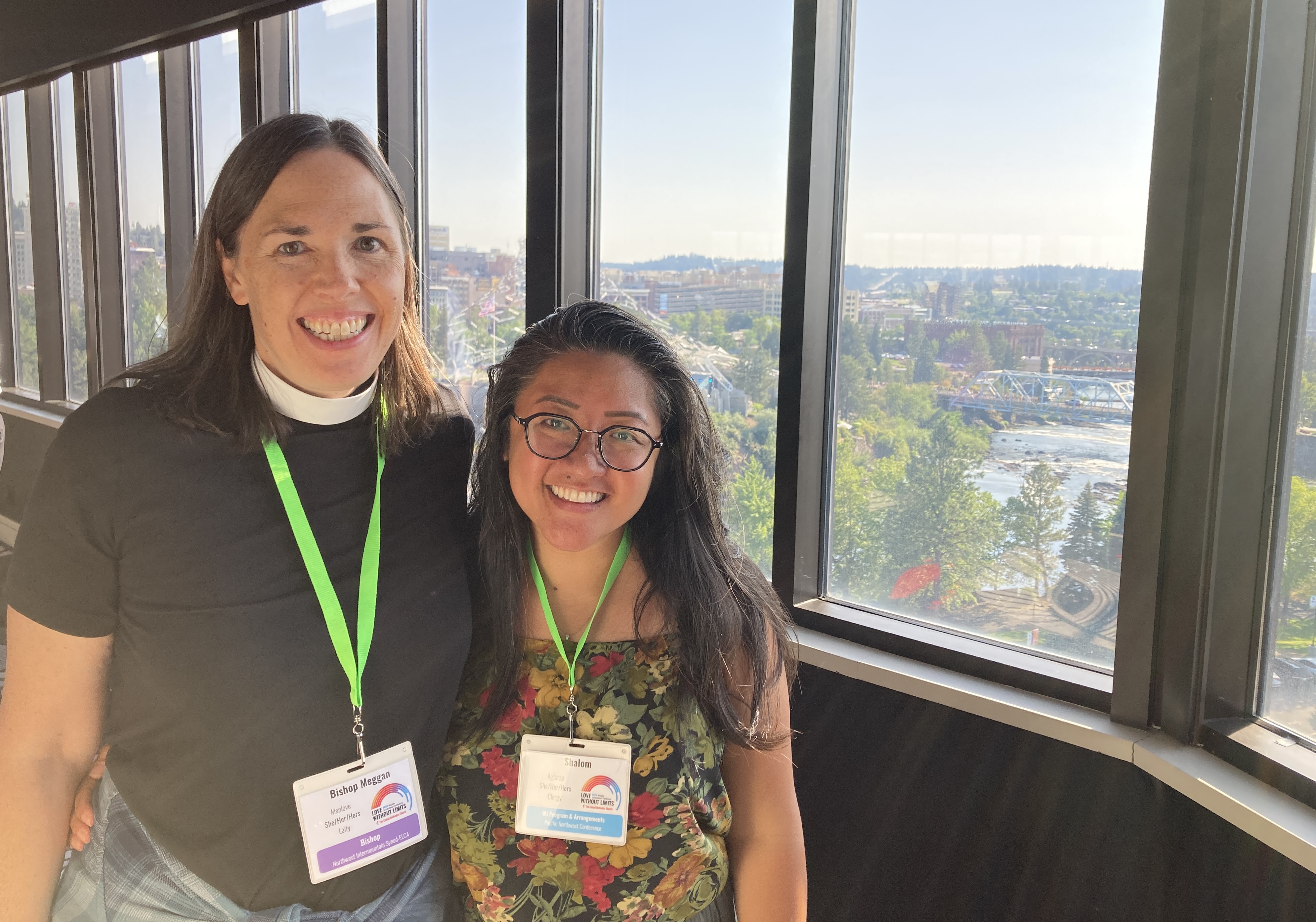
Reunited with Pr Shalom (who works with Lutherans in the Tacoma area!) –we were Lewis Fellows together

Meanwhile, I was settling into Nampa, home of Northwest Nazarene University–connected to the UMC through the Wesleyan family. Over the years, I built relationships with UMC colleagues in the Treasure Valley and this past year I’ve met regularly with Daniel and Karen.

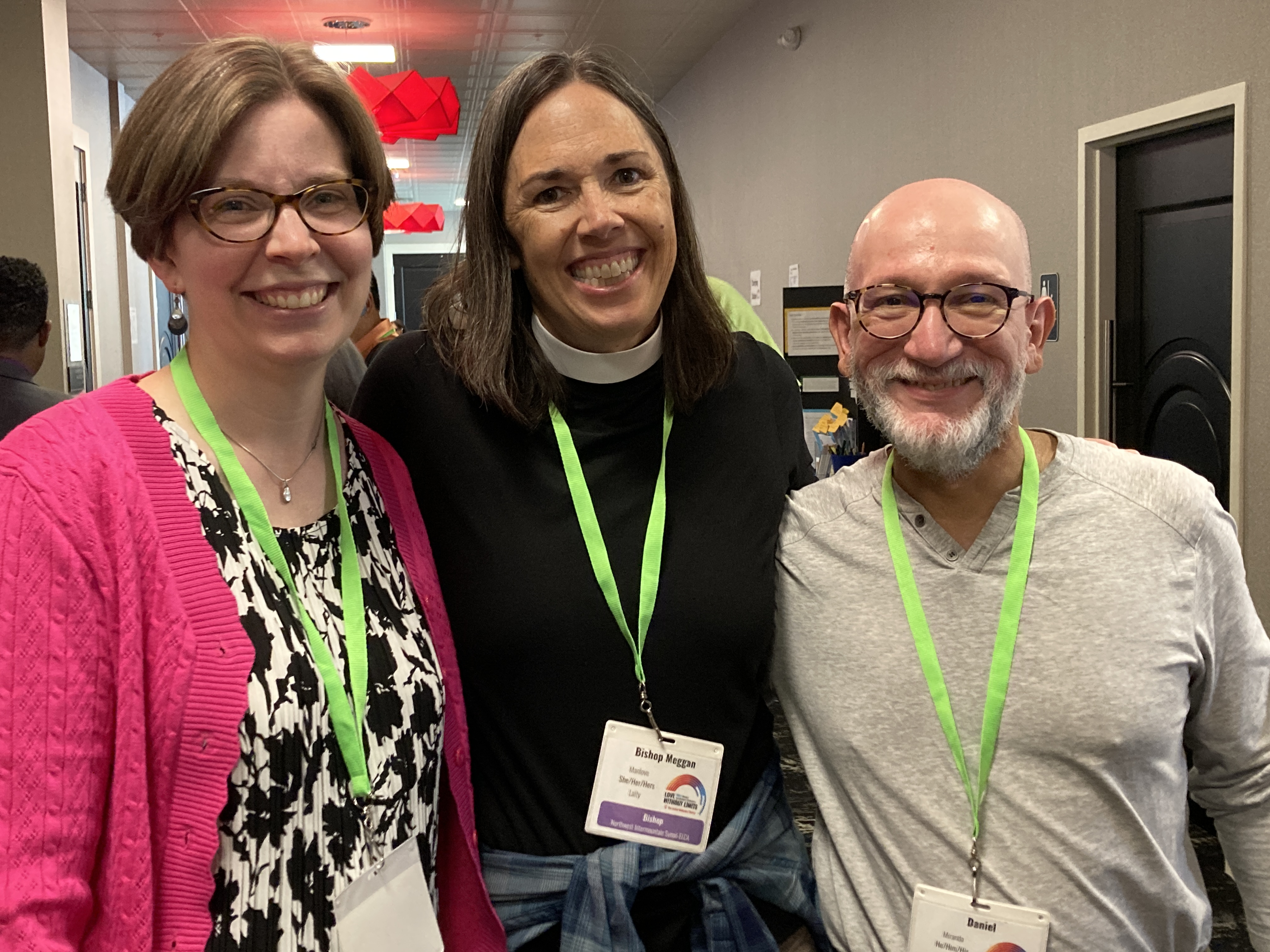
With Karen and Daniel

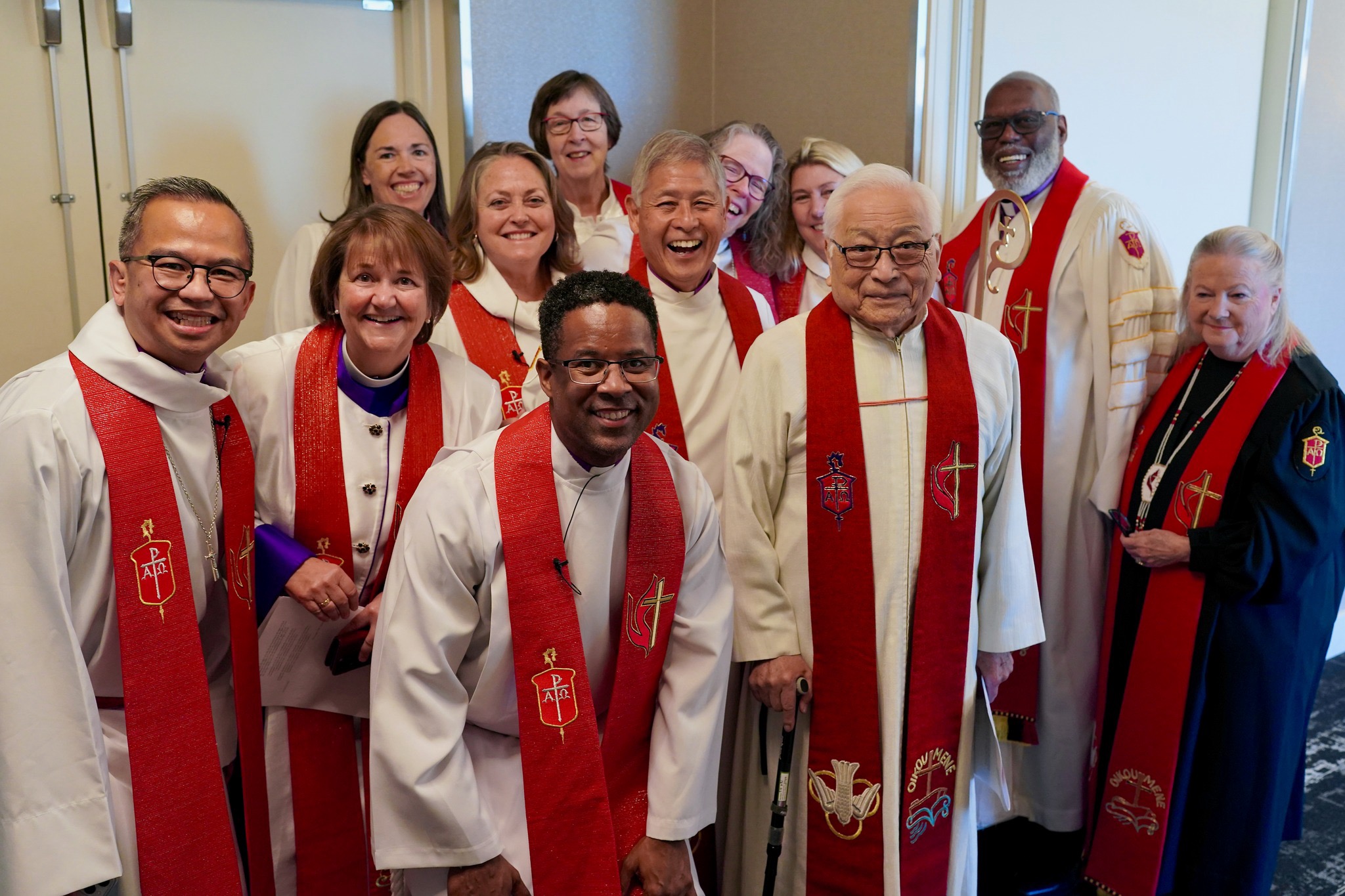
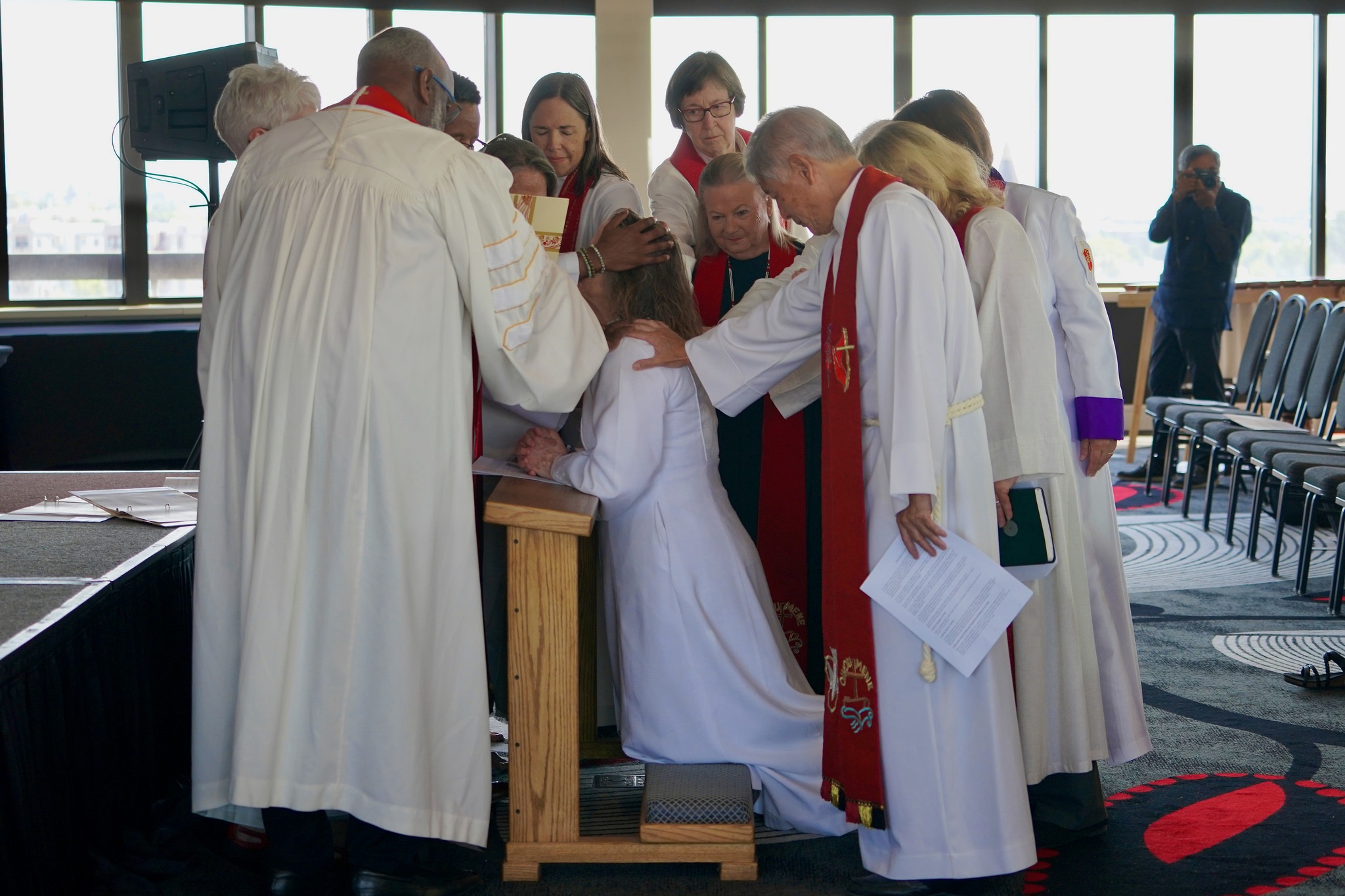
The Western Jurisdiction of the UMC welcomed me warmly. I loved how many people made a point of introducing themselves and telling me about local ecumenical endeavors they were part of or, with regional or national ministries, wondering aloud how the UMC and ELCA could partner. And of course I was honored to be part of the Consecration of Bishops Stoneking and Olewine.

Laying on of Hands for Bishop Olewine
So honored to be in this photo with these amazing UMC bishops

In four years the Western Jurisdiction will meet in Northern California/Northern Nevada. I hope Bishop Jeff Johnson of the Sierra Pacific Synod clears his calendar now!

Posted in Uncategorized | Tagged , , | Leave a comment